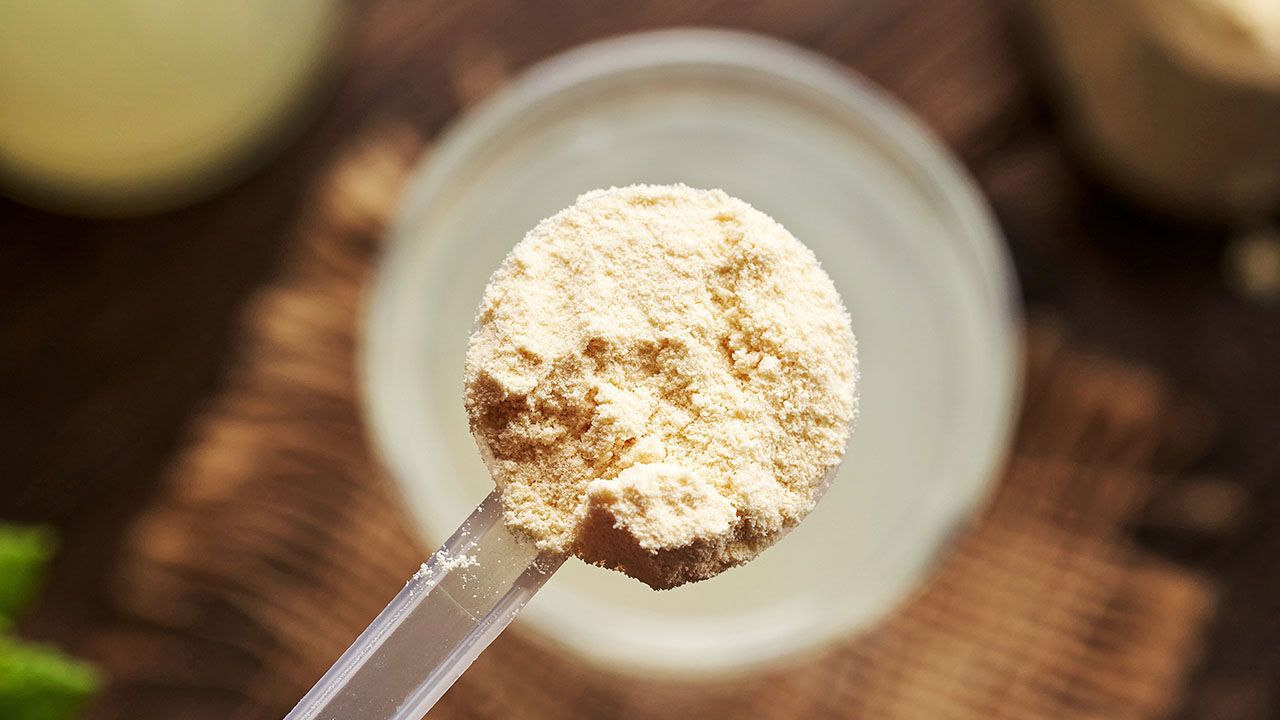
PIGS WERE once the biggest consumers of whey(乳清,奶酪制作的副产品), a byproduct of cheesemaking. Now farmers can scarcely(几乎不,简直不) afford it. Demand for whey concentrate, a common ingredient in gym shakes, has soared amid the craze for consuming more protein. Dairies have not scaled up cheese production to match. The price of whey protein thus rose fivefold(五倍地) in the three years to June, according to Vesper, a research firm. Cottage cheese, which TikTok influencers also recommend for bulking up, has seen a similar shortage.(白软干酪也出现类似短缺,TikTok网红也推荐它增肌。)
猪曾经是乳清(奶酪制作的副产品)的最大消费者。如今农民几乎买不起乳清。乳清浓缩蛋白是健身房奶昔的常见成分,随着摄入更多蛋白质的热潮兴起,其需求飙升。乳制品企业并未扩大奶酪生产以匹配需求。据研究公司Vesper称,截至6月的三年里,乳清蛋白价格因此上涨了五倍。TikTok网红也推荐用于增肌的白软干酪,也出现了类似的短缺。
Both cases illustrate(说明,阐明) a new problem for the food-and-drinks industry. Online trends can build demand for ingredients faster than ever before, but farms and factories cannot scale production at the same speed. Firms are adapting by learning to anticipate(预期,预料) trends and ride them out(安然度过,挺过去) before consumers move on.
这两个案例都说明了餐饮行业面临的一个新问题。网络潮流能以比以往更快的速度为原料创造需求,但农场和工厂无法以同样的速度扩大生产。企业正在适应这一局面,学习预测潮流,并在消费者转向其他产品之前安然度过。
Food fad(一时的风尚,狂热)s are hardly new. Pineapples were so coveted(令人垂涎的,梦寐以求的) in Georgian England(乔治王时代的英格兰(1714-1830)) that rental shops opened peddling display fruits. Swiss fondue, a hit with Americans in the 1960s and 70s, resulted in millions of cheese-melting pots that now languish(被闲置,枯萎) in cupboards. Today, though, social media spreads such trends across the world in weeks. When a video of a pistachio-pastry chocolate bar made in Dubai went viral on TikTok in 2023, it was viewed more than 100m times.(当迪拜开心果巧克力棒视频在TikTok走红时,观看超1亿次。) Months later top chocolatier(巧克力制造商)s were selling their own versions, straining global pistachio production.
食品风潮并非新鲜事。在乔治王时代的英格兰,菠萝备受追捧,以至于出租店开始出租展示用的水果。瑞士奶酪火锅在20世纪60、70年代风靡美国,导致数百万个奶酪融化锅如今闲置在橱柜里。然而如今,社交媒体能在数周内将此类风潮传播到全世界。2023年,一段关于迪拜制作的开心果酥皮巧克力棒的视频在TikTok上走红,观看次数超过1亿次。几个月后,顶级巧克力制造商开始销售自己的版本,使全球开心果生产承压。