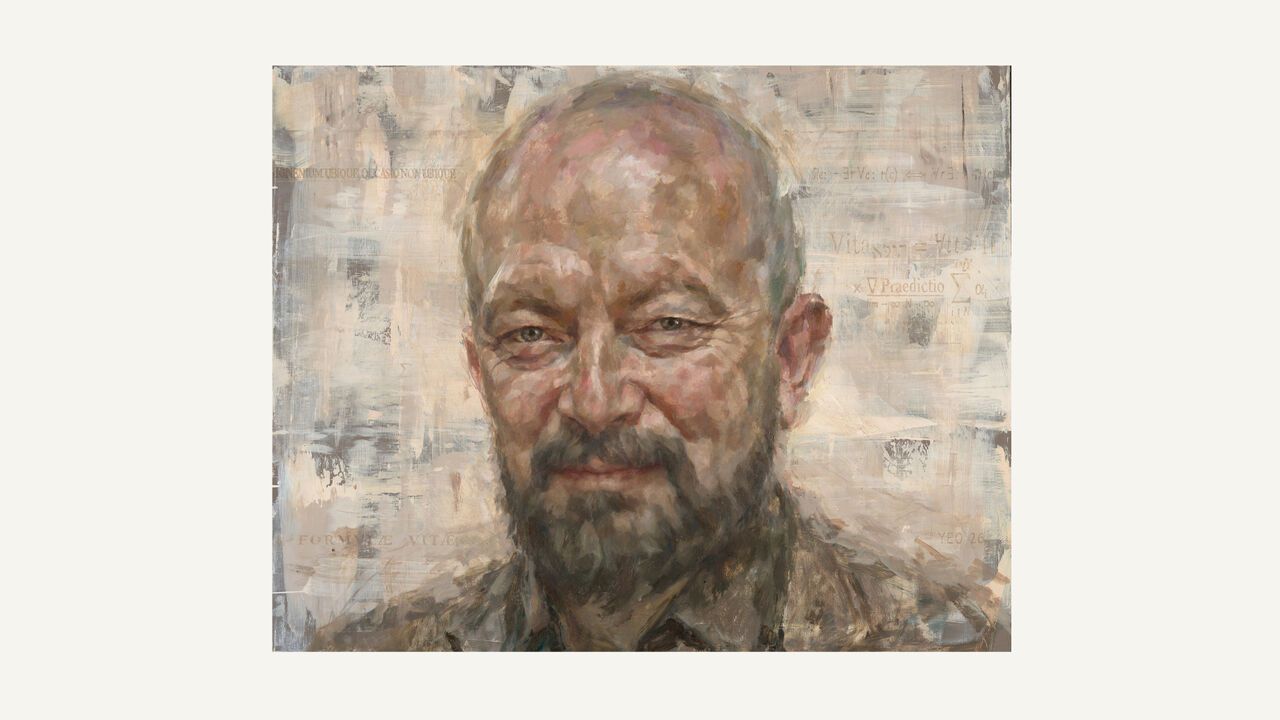
One name gets top billing(最显眼的宣传位置) at the Bayeux tapestry(巴约挂毯,中世纪刺绣艺术品) show at the British Museum, and it’s not William the Conqueror. It is Igor Tulchinsky, the boss of WorldQuant, an asset-management firm. He is the only listed sponsor, so the blockbuster show is “presented by” him. He reportedly stumped up(不情愿地支付,掏钱) £5m ($6.8m).
在大英博物馆的巴约挂毯展上,有一个名字占据了最显眼的位置,而它不是征服者威廉。那是伊戈尔·图尔钦斯基,资产管理公司WorldQuant的老板。他是唯一列出的赞助商,因此这场轰动一时的展览“由他呈献”。据报道,他慷慨解囊了500万英镑(合680万美元)。
In Britain individual patrons(赞助人,资助者) are in(流行,时髦). At museums and art galleries, their names are increasingly visible. Whereas high culture in continental Europe is still largely state-funded(国家资助的), Britain is moving closer to the American model of private support for creators and curators(策展人,馆长).
在英国,个人赞助人正流行起来。在博物馆和美术馆,他们的名字越来越显眼。尽管欧洲大陆的高雅文化仍主要由国家资助,但英国正越来越接近美国那种由私人支持创作者和策展人的模式。
Patrons’ rise partly reflects a squeeze(挤压,紧缩) on public funding. Tate, a group of galleries, received £56m in 2009-10 and £54m in 2024-25: a fall of about a third in real terms(按实际价值计算). The British government urges museums to foster a “culture of giving(捐赠文化)”, like their American peers. Museums—particularly those with free admission—have had to up their fundraising game(提升筹款水平).
赞助人的兴起部分反映了公共资金的紧缩。泰特美术馆集团在2009-10年度获得了5600万英镑,而在2024-25年度为5400万英镑:按实际价值计算下降了约三分之一。英国政府敦促博物馆像美国同行一样培养“捐赠文化”。博物馆——尤其是那些免费入场的——不得不提升它们的筹款水平。