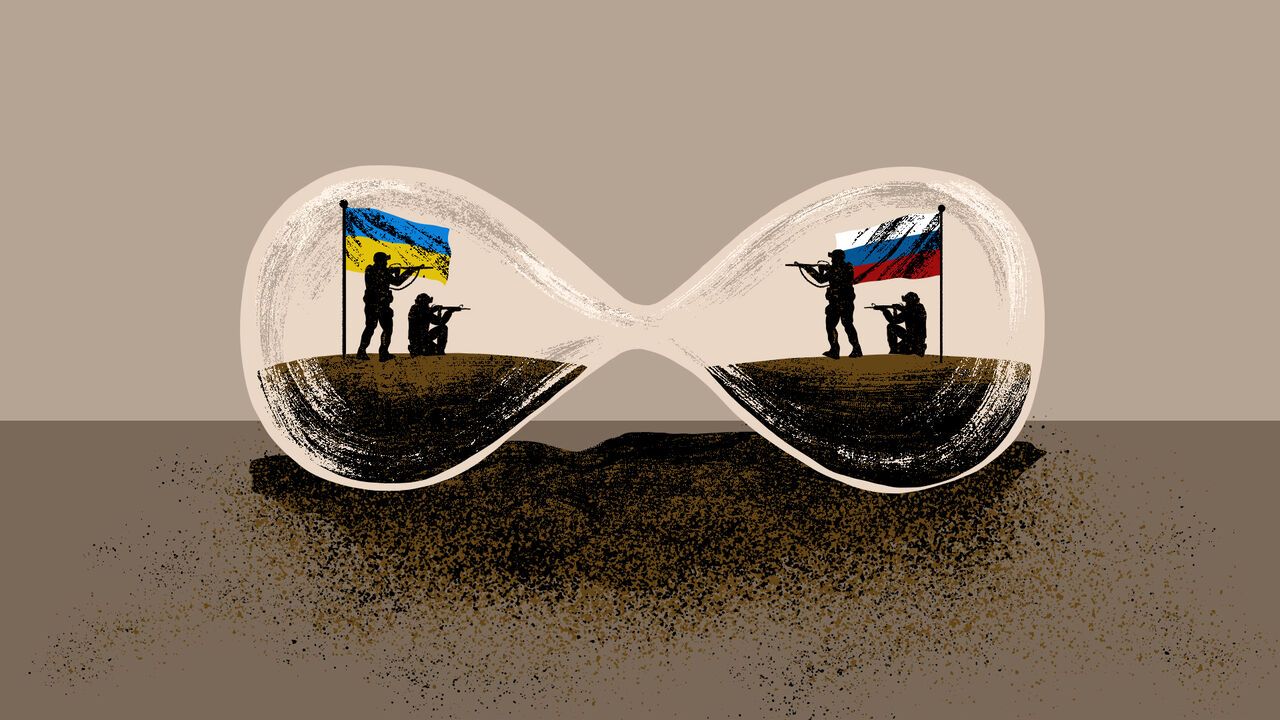
A WEARY world may not want to hear it(可能不愿听到这件事), but the war in Ukraine is intensifying(加剧,增强), not ending. As it deepens(加深,深化), the conflict is also expanding. Increasingly, serious-minded(认真的,严肃的) governments across northern Europe are planning to defend themselves against Russia for decades to come(在未来的几十年里).
疲惫的世界或许不愿听到这一点,但乌克兰战争正在加剧,而非走向终结。随着战争深化,冲突也在扩大。北欧各国越来越多的严肃政府正计划在未来数十年内防御俄罗斯。
Prosperous, prudent(谨慎的,精明的) Sweden is a case in point(典型的例子). It is only a couple of years since the Nordic country joined NATO, driven by Mr Putin’s aggression(侵略,攻击性) to abandon a two-centuries-old policy of neutrality, bordering at times on wide-eyed pacifism(和平主义). As Swedes head to the polls(前往投票站) on September 13th, support for Ukraine is such a consensus(共识,一致意见) that the war has barely featured in debates. All major parties, including those on the populist right and left that once flirted with(短暂地感兴趣,调情) sympathy for Russia, endorse(赞同,支持) financial and military help for Ukraine, deep distrust of President Vladimir Putin and the need for strong national defences.
富裕而审慎的瑞典就是一个典型例子。这个北欧国家加入北约不过几年时间,是普京的侵略行径促使它放弃了长达两个世纪的中立政策——这种政策有时近乎天真的和平主义。当瑞典人于9月13日走向投票站时,对乌克兰的支持已成为一种共识,以至于战争几乎未在辩论中出现。所有主要政党,包括那些曾一度对俄罗斯抱有好感的民粹主义右翼和左翼政党,都赞同向乌克兰提供财政和军事援助,对普京总统深感不信任,并认为有必要建立强大的国防。
In Stockholm it is striking(显著的,引人注目的) how often senior figures use the word “naive(天真的,幼稚的)” to describe what was their country’s approach to Russia as recently as the late 2000s. Bigwigs(大人物,要人) on the right and left are at pains to(尽力,费尽心思) show how coldly(冷淡地,冷静地) realistic they now are.
在斯德哥尔摩,令人瞩目的是,高级官员们频繁使用“天真”一词来形容本国直至2000年代末对俄罗斯的态度。左右两派的大人物们竭力展示他们现在有多么冷静的现实主义。
No optimism, no alternatives
没有乐观,没有替代方案