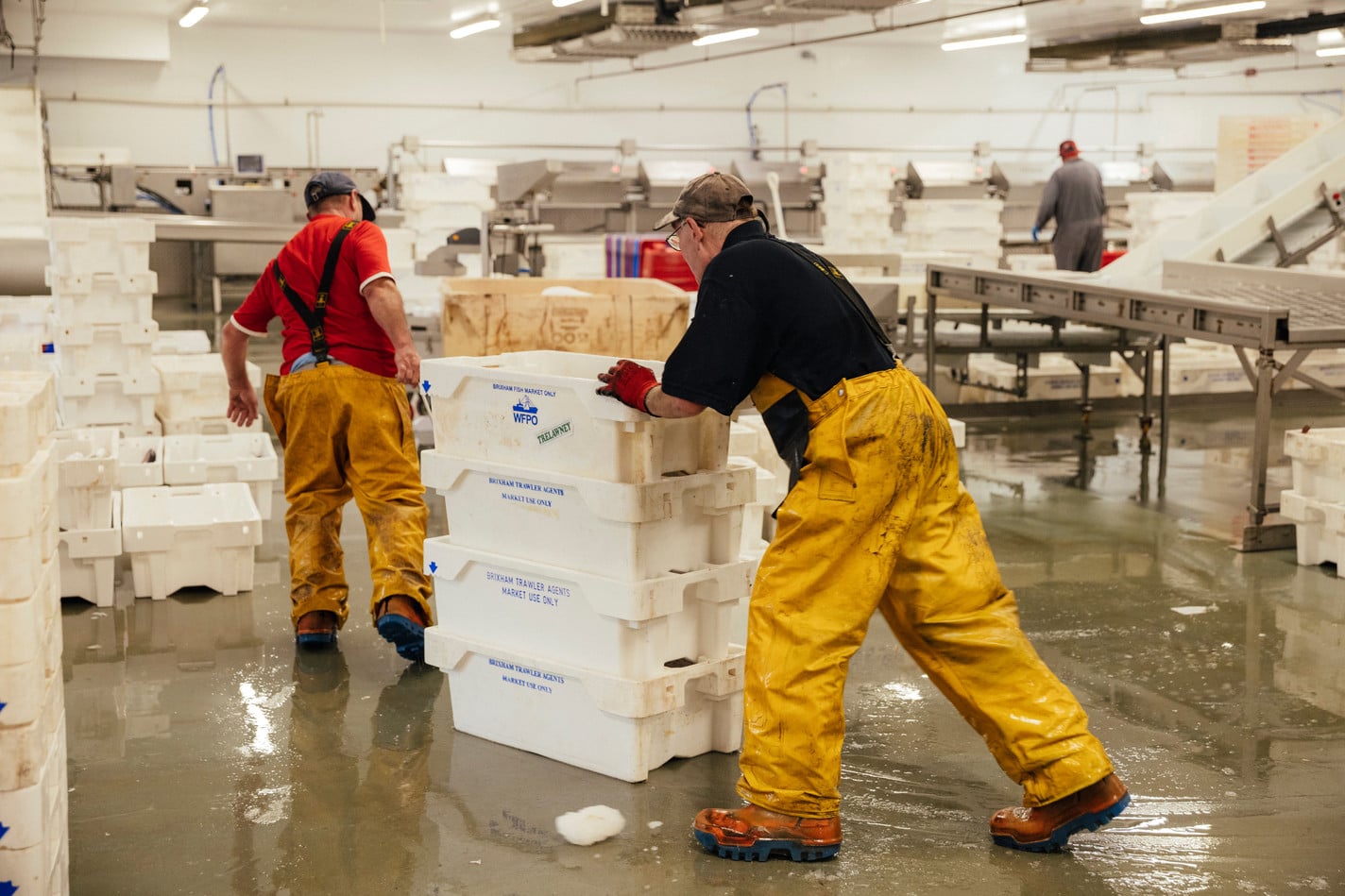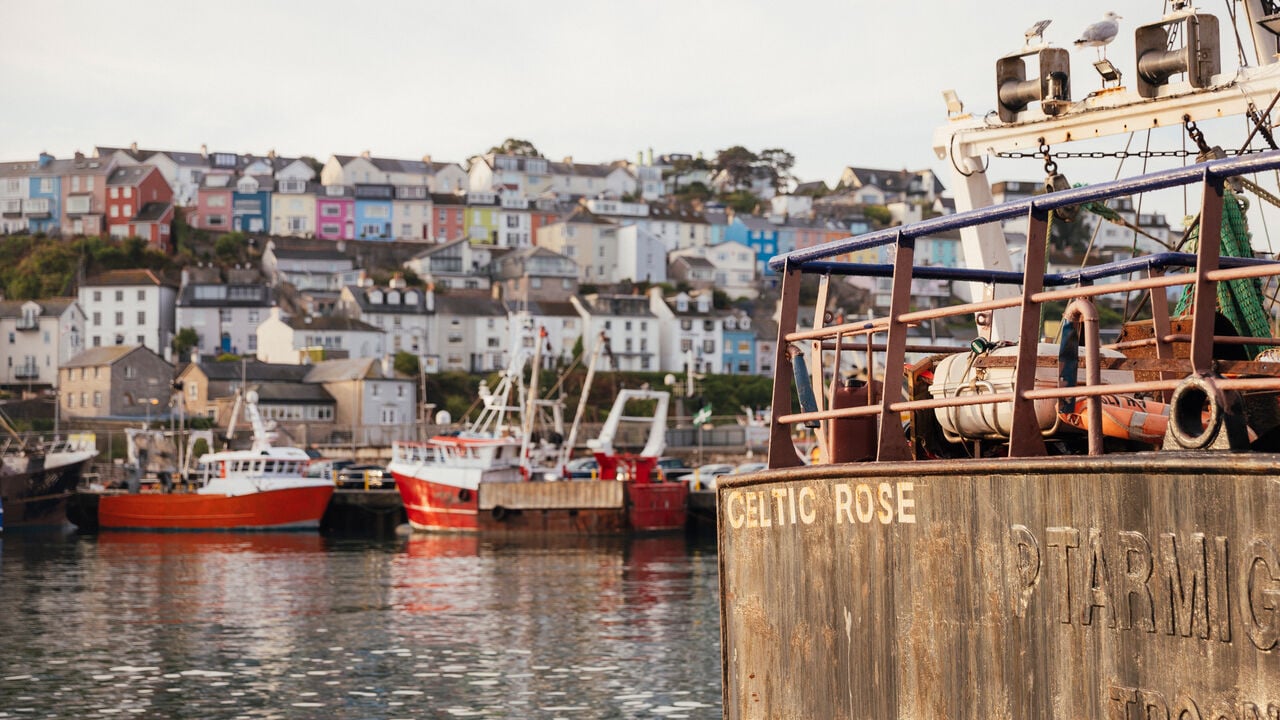
Boris Johnson came to Brixham in 2019 promising gifts. When not eating fish and chips, the then prime minister told Ian Perkes, a fish merchant in the Devon port, to hire more staff. “Once we have taken the fish off the French,” Mr Perkes recalls being told, “you will be so busy.” Seven years on, Mr Perkes is disillusioned(幻想破灭的). “Boris never took the fish off the French.” He “didn’t have a fricking clue(压根儿毫无头绪)”. Instead new trade barriers(贸易壁垒) with the European Union have made the exporter’s life “much more difficult”.
2019年,鲍里斯·约翰逊来到布里克瑟姆,许下种种承诺。这位时任首相一边吃着炸鱼薯条,一边告诉德文郡港口鱼商伊恩·珀克斯,让他多招些人手。珀克斯回忆说,当时约翰逊对他说:“一旦我们从法国人手里夺回鱼,你会忙得不可开交。”七年过去,珀克斯的幻想破灭了。“鲍里斯根本没从法国人手里夺回鱼。”他“压根儿就毫无头绪”。相反,与欧盟之间新设的贸易壁垒让这位出口商的日子“艰难得多”。
The fishing industry is an economic minnow(微不足道的事物), representing 0.03% of output in 2025. But it symbolises Britain’s maritime past, and the Leave campaign used its plight(困境) to reel in(拉拢,吸引) votes far from the coast. Nigel Farage(英国脱欧运动的核心人物), a champion of Brexit, led a flotilla(小船队) of fishing boats up the Thames before the referendum, promising to take back control(夺回控制权) of British waters.
渔业在经济上微不足道,2025年仅占产出的0.03%。但它象征着英国的海洋历史,脱欧阵营利用渔民的困境,在远离海岸的地区拉拢选票。脱欧旗手奈杰尔·法拉奇在公投前率领一支渔船船队沿泰晤士河而上,承诺夺回英国水域的控制权。
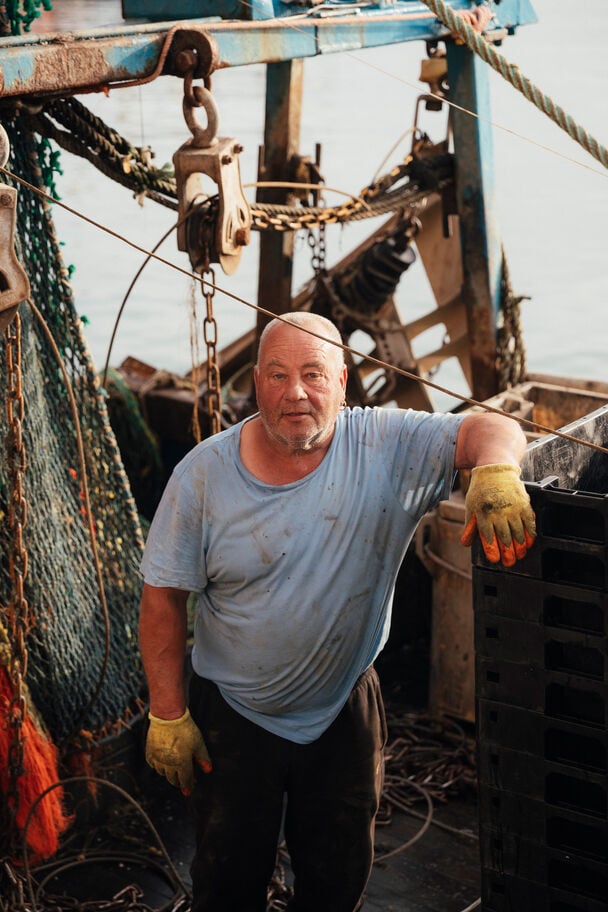
But once Brexit negotiations began, the sector was forgotten. British fishermen got only a slightly higher share of the catch in British waters, while fish exports became tangled in red tape(陷入繁文缛节). Brixham’s seafarers are nonetheless keen to dispel(消除(疑虑、想法)) the idea that they are Brexit-obsessed. For Mike Young, a fisherman for 44 years, fuel costs are a much bigger “bug bear(烦心事)”. And in the long run(从长远看), climate change and recruitment difficulties loom(逼近,隐现) largest in fishermen’s minds.
但脱欧谈判一开始,渔业就被抛到了脑后。英国渔民在英国水域获得的捕捞份额仅略有提高,而鱼类出口却陷入繁文缛节的泥潭。尽管如此,布里克瑟姆的渔民们急于澄清,他们并非对脱欧念念不忘。对当了44年渔民的迈克·扬来说,燃油成本才是更让他头疼的“烦心事”。而从长远看,气候变化和招工难才是渔民心中最大的隐忧。