INDIAINS ONCE held mock(模拟的,假的) funerals for telephones. The few lines the state monopoly(垄断,专营) actually installed dropped dead(突然坏掉,猝死) so often that they became ripe material for satirists(讽刺作家). When the “line man”, an employee at the bottom of the corporate hierarchy(公司层级), eventually came out to fix a line, he would be treated like a VIP. Shreekant Gupta, an economist, recalled these tales ten years ago in an oral history intended to tell younger Indians about the bad old days of state capitalism(国家资本主义).
印度人曾经为电话举行模拟葬礼。国家垄断企业实际安装的少数线路经常坏掉,成了讽刺作家信手拈来的素材。当“线务员”——公司层级最底层的员工——终于出来修线路时,他会受到贵宾般的待遇。经济学家什里坎特·古普塔十年前在一份口述历史中回忆了这些故事,目的是让年轻一代印度人了解国家资本主义的黑暗旧时光。
The state is still a large owner of businesses in India. Jawaharlal Nehru, the country’s first prime minister, thought it should build out the “commanding heights(经济制高点) of the economy”, investing in heavy industrial assets such as fertiliser factories and steel smelters. Indira Gandhi, his daughter and another prime minister, nationalised(国有化) most of the leading banks in 1969 and many of the rest in 1980. Neither worked out(结果顺利,成功) very well. The Licence Raj(许可证制度), a socialist system of managing the economy, came crashing down after an economic crisis in 1991. “No power on earth can stop an idea whose time has come,” said Manmohan Singh, the liberalising finance minister, quoting Victor Hugo, a 19th-century French author.(“没有任何力量能阻止一个时代已经到来的思想,”推行自由化的财政部长曼莫汉·辛格引用19世纪法国作家维克多·雨果的话说。)
国家仍然是印度企业的大所有者。印度首任总理贾瓦哈拉尔·尼赫鲁认为,国家应建设“经济的制高点”,投资化肥厂、炼钢厂等重工业资产。他的女儿、另一位总理英迪拉·甘地在1969年将大部分主要银行国有化,1980年又将其余许多银行收归国有。两者都不太成功。管理经济的社会主义制度“许可证制度”在1991年经济危机后崩溃。“没有任何力量能阻止一个时代已经到来的思想,”推行自由化的财政部长曼莫汉·辛格引用19世纪法国作家维克多·雨果的话说。
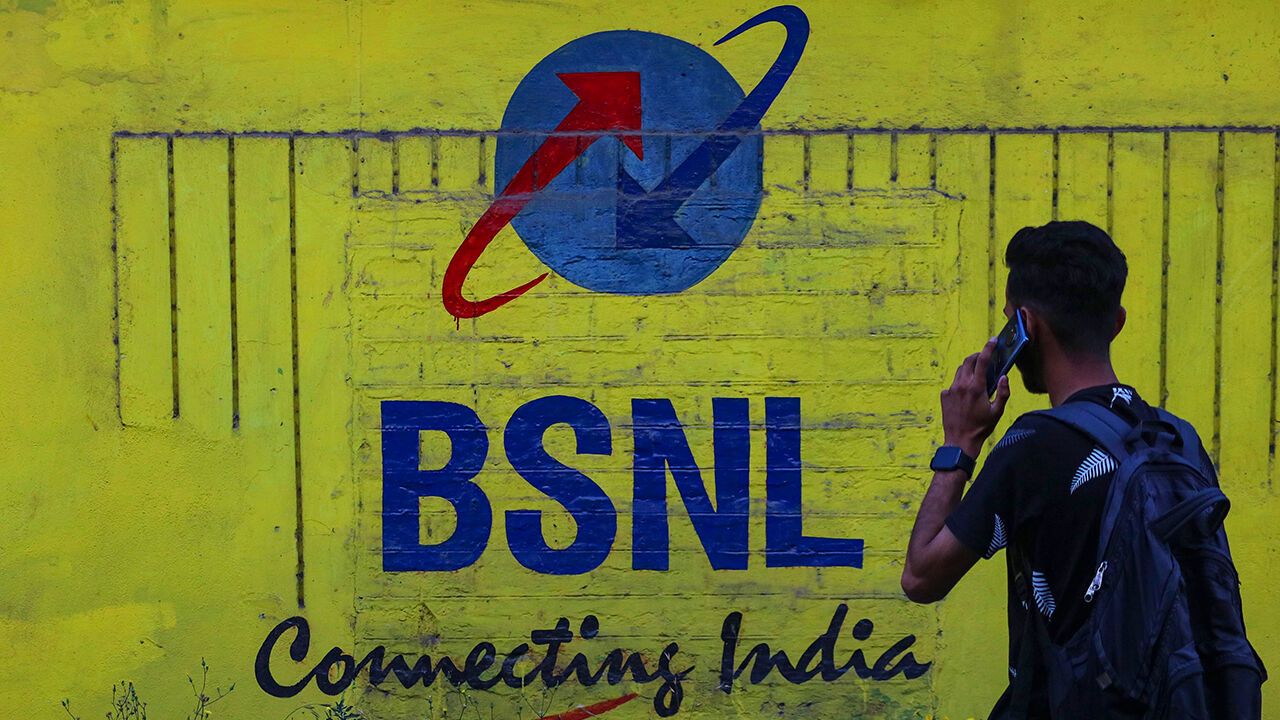
The time had not come for privatisation(私有化), however. Despite a brief flurry of(一阵短暂的) disposals(出售,处置) in the late 1990s and early 2000s, most of the businesses acquired or built under the Licence Raj remain in state hands(由国家掌控). The government owns everything from hotels and tourism boards to shipbuilders and a watchmaker. It still owns the telephone company (known these days as BSNL(印度国有电信公司) after a reorganisation at the turn of the century), though Indians can now choose super-cheap contracts from private providers. In fact the number of active Central Public Sector Enterprises (CPSEs(中央公共部门企业)) has grown from 236 in 1991 to 291, even as their relative economic importance has shrunk(萎缩,缩小). They produced a bit less than 3% of GDP last year, down from 11% in 2006.
然而,私有化的时机尚未到来。尽管在20世纪90年代末和21世纪初有过短暂的出售潮,但许可证制度下收购或建立的大部分企业仍掌握在国家手中。政府拥有的资产从酒店和旅游局到造船厂和手表制造商,无所不包。它仍然拥有电话公司(在本世纪初重组后,如今称为BSNL),尽管印度人现在可以从私营运营商那里选择超便宜的套餐。事实上,活跃的中央公共部门企业(CPSE)数量从1991年的236家增加到291家,尽管它们的相对经济重要性已经萎缩。去年它们创造的产值略低于GDP的3%,而2006年这一比例为11%。
Selling by the slice
切片式出售