“GOOD AFTERNOON, dear voters,” says Alexey Chernov, a portly(发福的,肥胖的) 44-year-old in a plaid flannel shirt. He nervously rattles off his electoral pitch: a few sentences about supporting large families. It takes 28 seconds. “That’s all?” asks the host in the television studio, reminding him that the rules allow him to speak for a minute. “Perhaps something else will come to mind(被想起,浮现在脑海)?” “No, nothing else will come,” he says. The remaining seconds are filled with the ticking of a clock.
“下午好,亲爱的选民们,”阿列克谢·切尔诺夫说道。他44岁,身材发福,穿着一件格子法兰绒衬衫。他紧张地背出竞选说辞:几句关于支持大家庭的话。总共用了28秒。“就这些?”电视演播室的主持人问道,提醒他规则允许他讲一分钟。“也许还能想起点别的?”“不,想不起来了,”他说。剩下的时间被时钟的滴答声填满。
Such were the televised debates between candidates for the Duma(国家杜马,俄罗斯议会下院), Russia’s parliament, that aired this month on the country’s Channel One. Voting starts on September 18th and lasts three days. Mr Chernov, a paramedic(急救员,护理人员) with an interest in live-action roleplay(实况角色扮演(LARP)) involving orcs, is running for the previously unknown Party of Direct Democracy. In another debate, a candidate filled his entire time slot by singing a Soviet-era song. He represents the Communist Party of Russia, another spoiler(搅局者,破坏者) party. Its name is clearly designed to create confusion with the Communist Party of the Russian Federation, the second-largest group in the Duma, which occasionally displays some slight independence from the Kremlin.(该党名称显然意在混淆视听,让人误以为是俄罗斯联邦共产党——杜马第二大党团,该党偶尔会对克里姆林宫表现出些许独立性。)
这就是本月在俄罗斯第一频道播出的国家杜马(俄罗斯议会)候选人电视辩论。投票于9月18日开始,持续三天。切尔诺夫是一名急救员,对涉及兽人的实况角色扮演感兴趣,他代表此前鲜为人知的“直接民主党”参选。在另一场辩论中,一名候选人用唱苏联时代歌曲填满了整个发言时段。他代表的是“俄罗斯共产党”,又一个搅局政党。该党名称显然意在混淆视听,让人误以为是“俄罗斯联邦共产党”——杜马第二大党团,该党偶尔会对克里姆林宫表现出些许独立性。
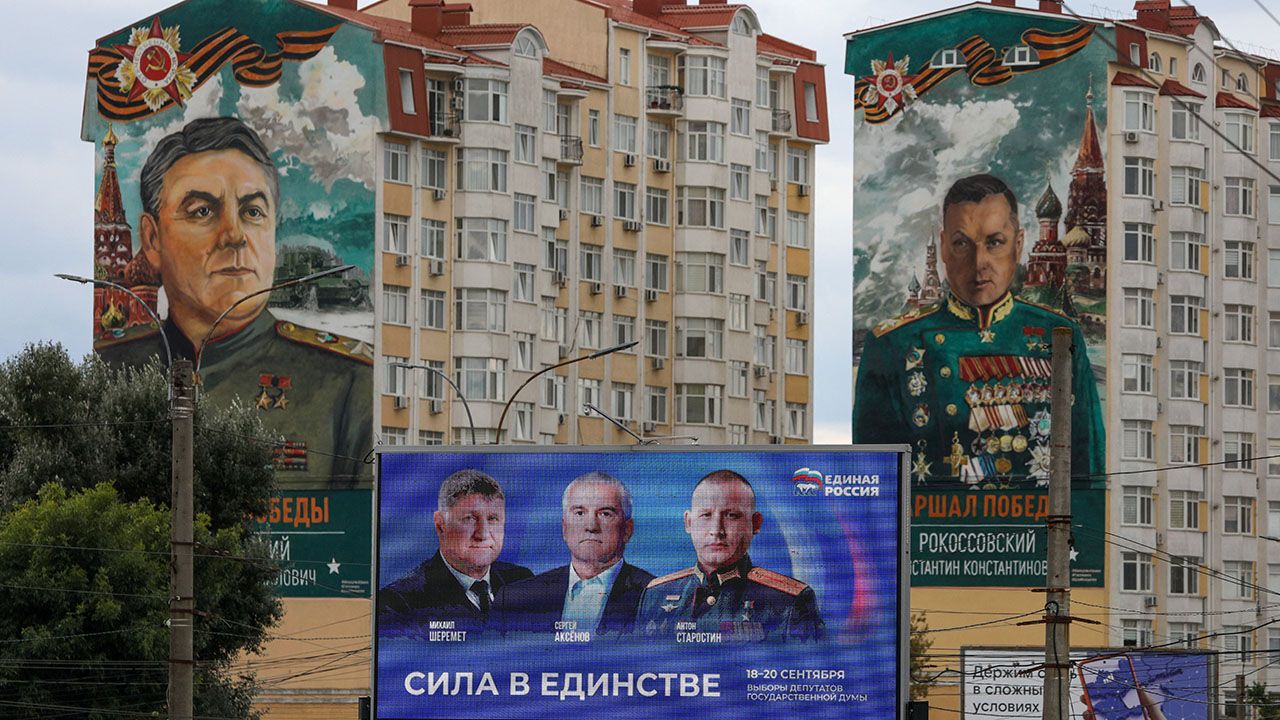
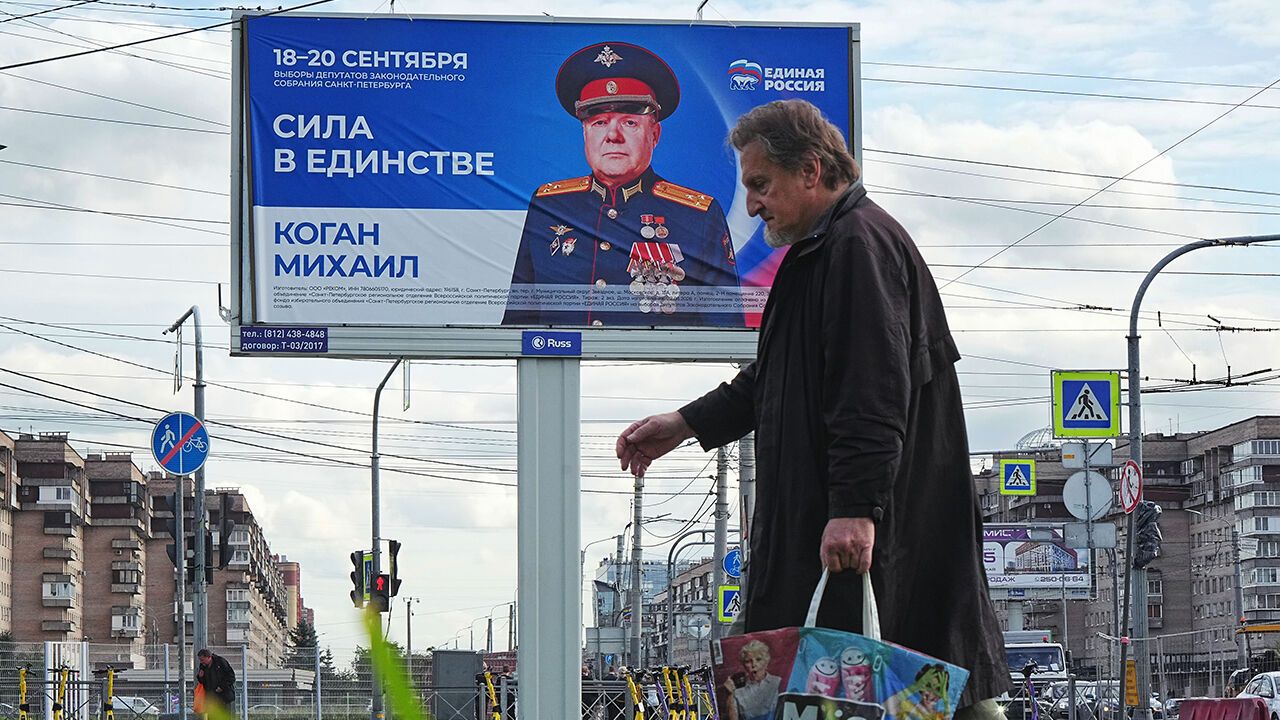
Russians are calling this year’s Duma ballot a “special electoral operation”, by analogy to(通过类比,仿照) the “special military operation” that is the government-mandated term for the war against Ukraine. The Kremlin has been steadily turning Russia’s democratic institutions into simulacra(拟像,虚假仿制品) since the early 2000s. It aims to discourage any dissenting voters from turning out, while coercing public-sector workers, who can be pressured into voting, to plump for Vladimir Putin’s United Russia party.(其目的是阻止任何持不同意见的选民出来投票,同时胁迫可以被施压投票的公共部门工作人员,让他们支持弗拉基米尔·普京的统一俄罗斯党。) But this year the exercise has reached an absurd new low.
俄罗斯人把今年的杜马投票称为“特别选举行动”,以此类比“特别军事行动”——这是政府对乌克兰战争的官方指定说法。自2000年代初以来,克里姆林宫一直在稳步将俄罗斯的民主制度变成空壳。其目的是阻止任何持不同意见的选民出来投票,同时胁迫可以被施压投票的公共部门工作人员,让他们支持弗拉基米尔·普京的统一俄罗斯党。但今年的操作达到了荒谬的新低点。