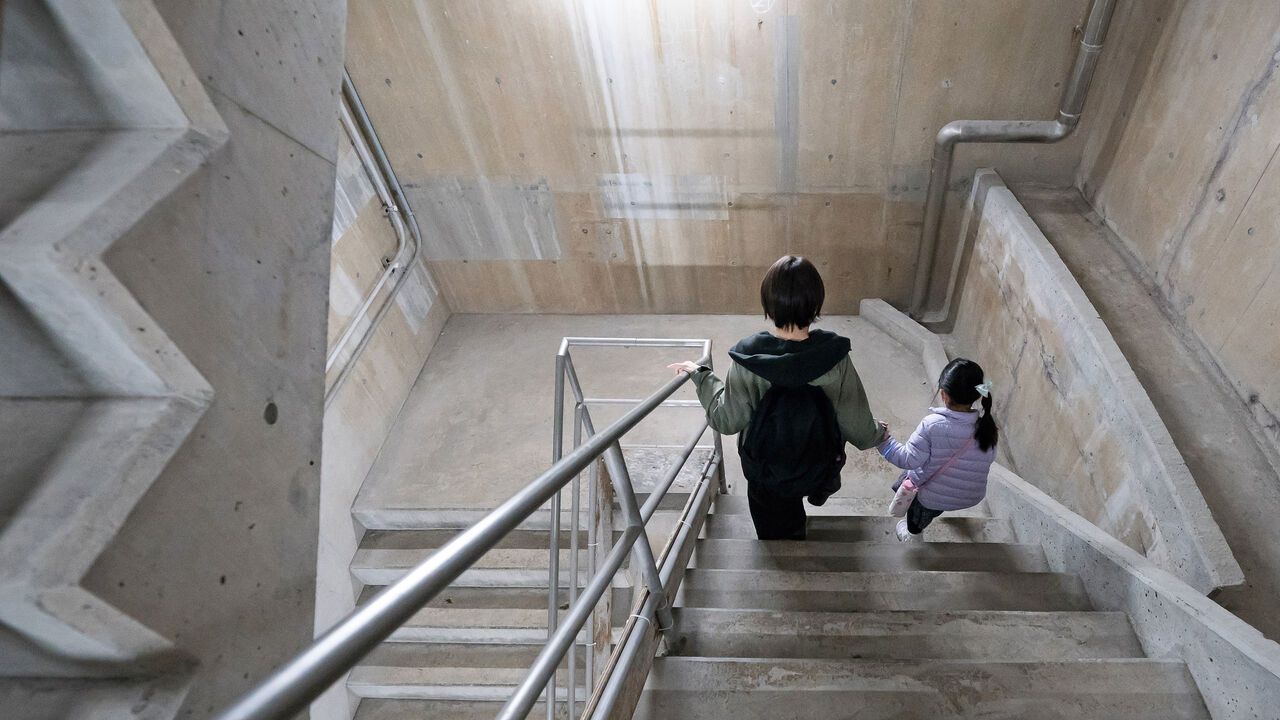
JUST BEFORE noon, in the sticky(闷热的,湿热的) summer heat, the children drifted(三三两两地走进) into a library in Miyoshi, a city in central Japan. They handed over vouchers(代金券,餐券) and collected their bento boxes(日式便当,日本饮食文化的重要符号). Some settled down to eat with friends in the cool; others took their boxes home.
临近正午,闷热的夏日里,孩子们三三两两地走进日本中部城市三好市的一家图书馆。他们递上餐券,领走自己的便当。有的孩子在凉爽的室内和朋友们坐下一起吃,有的则把便当带回了家。
With Japanese schools closed(由于日本学校放假) for the summer holiday, the city served hundreds of meals a day at 11 of its public facilities. But the tranquil(平静的,安宁的) scene masked(掩盖,遮蔽) a grimmer(更严峻的,更令人沮丧的) reality. Without school lunches or air-conditioned classrooms during the long summer break, many of the children would struggle to eat properly or escape the heat.(漫长的暑假里,没有学校午餐,也没有空调教室,许多孩子连吃饱饭、躲开酷暑都成了难题。)
由于日本学校放暑假,该市在11处公共设施每天供应数百份餐食。但平静的景象掩盖着更严峻的现实。漫长的暑假里,没有学校午餐,也没有空调教室,许多孩子连吃饱饭、躲开酷暑都成了难题。
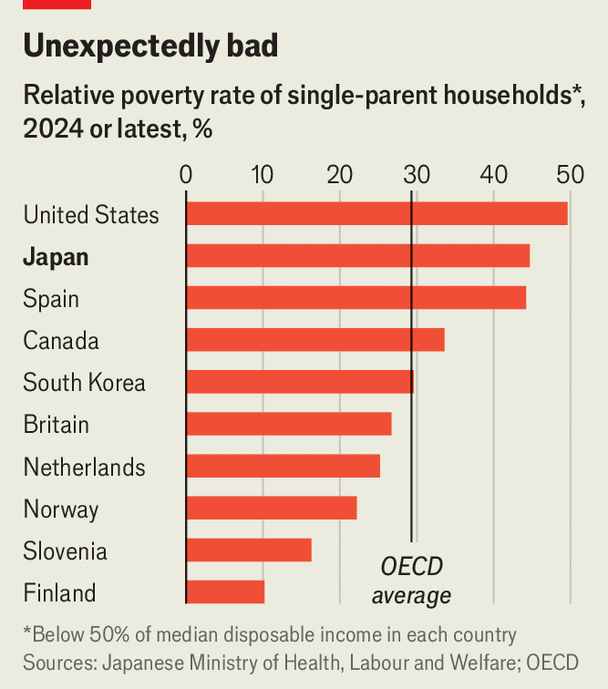
Japan is often thought of as an affluent(富裕的) society. Yet it is surprisingly unequal in places(在某些地方,在某些方面). Government figures show that in 2024 11% of children lived in relative poverty, meaning their household’s disposable income, adjusted for family size, is less than half the national median of ¥2.77m ($17,500).(政府数据显示,2024年有11%的儿童生活在相对贫困之中,即其家庭按人口规模调整后的可支配收入不足全国中位数277万日元(约合1.75万美元)的一半。) This “relative poverty(相对贫困,以收入中位数为基准的贫困定义)” rate has fallen from a peak of 16% in 2012, but as Japan emerges from decades of deflation(通货紧缩) higher prices are hitting poor households especially hard. Food prices have risen by around 30% since 2020. The problem “has never felt as dire(严峻的,可怕的) as it does now”, says Ogawa Koji of Usnova, a non-profit that helped Miyoshi’s programme.
人们常把日本视为富裕社会,但它在某些方面却出人意料地不平等。政府数据显示,2024年有11%的儿童生活在相对贫困之中,即其家庭按人口规模调整后的可支配收入不足全国中位数277万日元(约合1.75万美元)的一半。这一“相对贫困”率已从2012年16%的峰值回落,但随着日本走出长达数十年的通缩,物价上涨对贫困家庭的打击尤为沉重。自2020年以来,食品价格上涨了约30%。帮助三好市实施该项目的非营利组织Usnova的小川浩司说,这个问题“从未像现在这样严峻”。
Rumbling tummies
咕咕作响的肚子