Writing using artificial intelligence is everywhere. It has crept(悄悄渗入) into elite newspapers (the Wall Street Journal ran an op-ed(评论版文章) drafted by it) and elite publishing houses (Grasset in France finds itself defending(为……辩护) a star author accused—falsely, he claims—of using it in a prize-winning novel). It is in the speeches of British politicians, in the homework of British students and abundantly(大量地) there in LinkedIn posts (41% of longer ones, according to a study by Pangram, a detector, use it). Ask Gmail to draft a love letter to your partner and it will instantly offer up “My Dearest [Husband’s Name]…”. It is quick. It is not quite Keats(英国浪漫主义诗人济慈).
用人工智能写作已无处不在。它悄悄渗入了精英报纸(《华尔街日报》刊登过一篇由它起草的评论文章)和精英出版社(法国的格拉塞出版社正忙着为一位明星作家辩护,此人被指在获奖小说中使用了 AI——他声称这是诬告)。它出现在英国政客的演讲里、英国学生的作业里,也大量出现在领英帖子中(据检测工具 Pangram 的研究,较长的帖子中有 41% 用了 AI)。让 Gmail 帮你给伴侣起草一封情书,它会立刻奉上"我最亲爱的[丈夫的名字]……"。它很快,但远不及济慈。
Who cares? The reactions show that people do care. AI-spotting has become a mania(狂热). Prose is being scrutinised(被仔细审视) with the attention, and jargon, once reserved for Latin literature. Arcane rhetorical terms like antithesis and epanorthosis (the “not X, but Y” construction) and tricolon (threefold things, like “veni, vidi, vici(凯撒名句"我来,我见,我征服")”) are bandied about(被随意谈论) by social-media users with the verve(热情、活力) of Ciceronian scholars(西塞罗式的古典学者). Literary criticism has rarely been so hot.
谁在乎呢?人们的反应恰恰说明大家很在乎。识别 AI 已成一种狂热。散文正被以从前只用于拉丁文学的那种专注和术语来审视。对偶(antithesis)、修正法(epanorthosis,即"不是 X,而是 Y"的结构)、三项式(tricolon,如
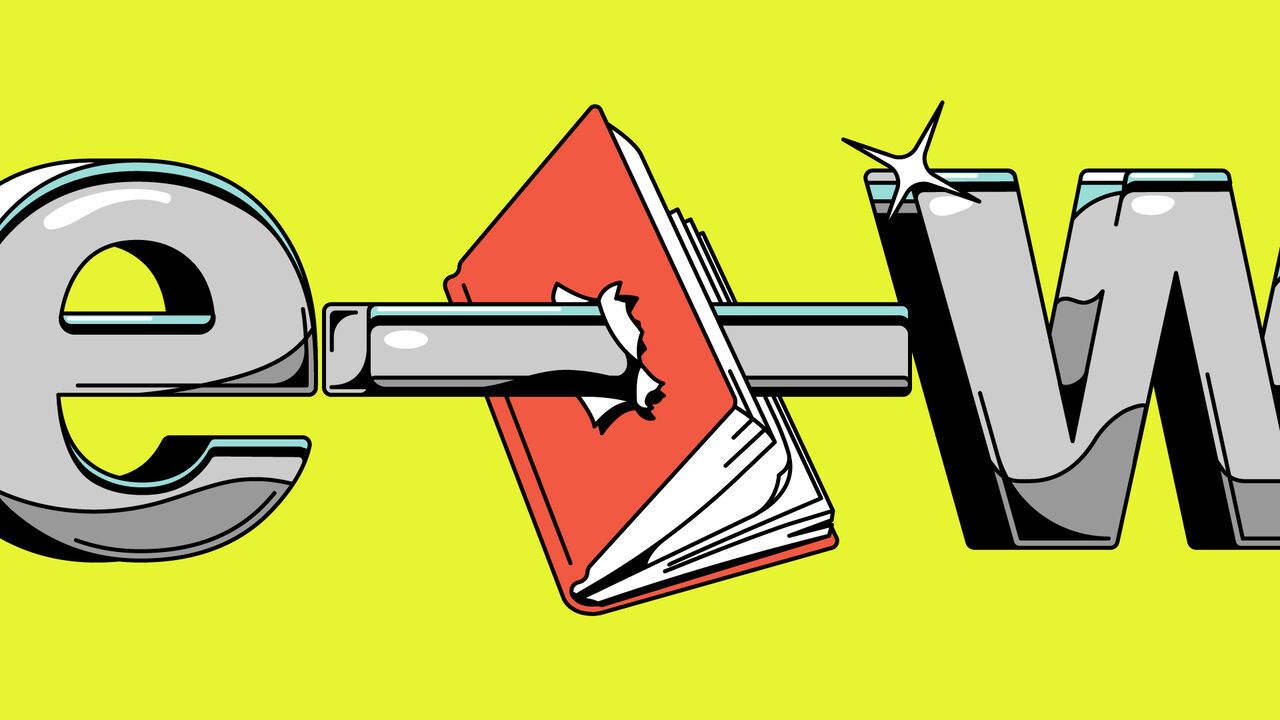
The em-dash, the most notorious(臭名昭著的) AI “tell(破绽、识别标记)”, seems to be acting as—another rhetorical word—a synecdoche(提喻), the term for when writers use a part for the whole, like “wheels” for “car” or, perhaps, “em-dash” for “the intellectual obsolescence(过时、淘汰) of the human race”. This, says Maryanne Wolf, an emeritus(荣休的) professor of neuroscience at UCLA(加州大学洛杉矶分校), is not a battle over punctuation. It is a “battle for our minds”.
破折号——最臭名昭著的 AI"破绽"——似乎正在充当(又是一个修辞术语)提喻:即用部分指代整体,比如用"轮子"指"汽车",或者,也许是用"破折号"指"人类智力的过时"。加州大学洛杉矶分校神经科学荣休教授玛丽安·沃尔夫说,这不是一场关于标点符号的争论,而是一场"争夺我们头脑的战争"。