Art can make sense of suffering, metabolising(消化、转化) it into meaning, even entertainment. But it usually takes longer than this. Less than three years after October 7th 2023, “Fauda”, a hit Israeli spy show, has dramatised that day’s atrocities(暴行) and their emotional fallout(情感余波). Its new series illustrates the role of stories in coping with anguish; it also suggests the kinds of truths that fiction can impart—sometimes more powerfully than the news—and those it can’t.(新一季展现了故事在应对痛苦中的作用,也揭示了虚构作品能传递的真相——有时比新闻更有力——以及它无法传递的真相。)
艺术能够赋予苦难以意义,将其消化、转化为意义,甚至娱乐。但通常,这需要比现在更长的时间。2023年10月7日过去不到三年,以色列热门间谍剧《高墙边的混乱》便将那天的暴行及其情感余波搬上了荧幕。新一季展现了故事在应对痛苦中所起的作用,也揭示了虚构作品能够传递的真相——有时比新闻更有力——以及它无法传递的真相。
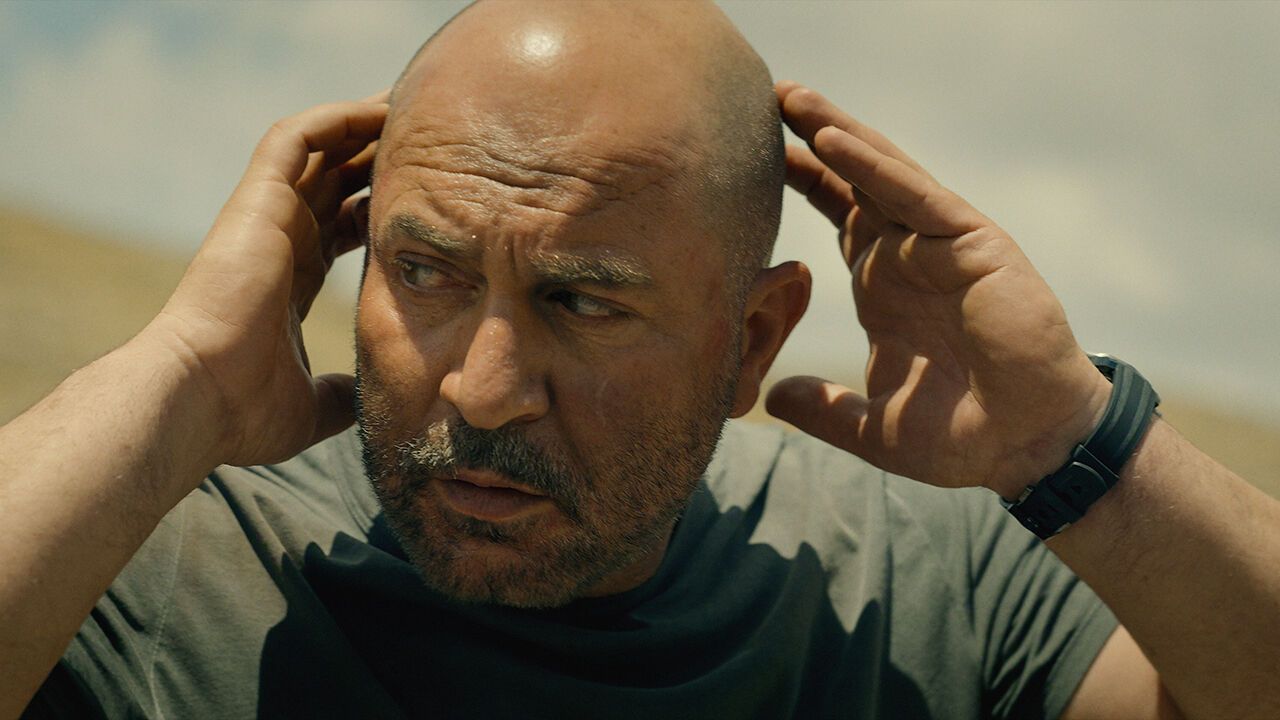
Since 2015 “Fauda” has followed a group of Israeli commandos(突击队员) who venture undercover(冒险潜入卧底) into Gaza and the West Bank. Doron, the main character, is played by Lior Raz (pictured), one of the show’s creators and a real-life veteran(老兵、资深人士) of a similar unit; he seems to carry Israel’s burdens on his tense, manly shoulders. Whenever he thinks he’s out, he is dragged back into a mayhem(大混乱) of abductions(绑架), bombings, betrayals, rogue(叛变的、不受控的) fighters, manhunts(追捕) and dusty shoot-outs(枪战).
自2015年起,《高墙边的混乱》便讲述了一群以色列突击队员潜入加沙和约旦河西岸执行卧底任务的故事。主角多隆由利奥尔·拉兹(如图)饰演,他既是该剧主创之一,也是现实中一支类似部队的老兵;他似乎用自己紧绷而硬朗的肩膀扛起了整个以色列的重担。每当他以为自己已经脱身,就会被拖回一片混乱之中——绑架、爆炸、背叛、叛变分子、追捕和尘土飞扬的枪战。
In its first four seasons, “Fauda” made an effort to be fair. The Palestinian characters, like the Israelis, had griefs and grievances(怨愤、不满), families and team frictions(摩擦、冲突). The plot only works because they look alike, too: the Israeli agents are mostly played by mizrahi Jews(米兹拉希犹太人(中东血统的犹太人)) of Middle Eastern descent. Fauda, which means “chaos”, is a codeword used when a mission goes awry(出岔子、偏离正轨), but it seemed a forlorn(绝望的、孤苦的) judgment on the whole intractable(棘手的、难以解决的) conflict.
在前四季中,《高墙边的混乱》努力做到公允。巴勒斯坦角色和以色列角色一样,有悲伤、有怨愤,有家庭、有团队摩擦。剧情之所以成立,还因为他们长相相似:以色列特工大多由中东血统的米兹拉希犹太人饰演。Fauda 意为“混乱”,是任务出岔子时使用的暗号,但它似乎也成了对整个棘手冲突的一种无奈判词。