AMERICANS DO NOT like to be watched. Neither, it seems, do the bosses of companies that make surveillance(监控) technology. Josh Hawley, a Republican senator from Missouri, invited several of them to testify(作证) to a subcommittee about their products on September 23rd, amid mounting privacy concerns(在日益加剧的隐私担忧中). All declined(拒绝了).
美国人不喜欢被人盯着。看来,生产监控技术的公司老板们也不喜欢。密苏里州共和党参议员乔什·霍利邀请其中几位老板于9月23日到小组委员会就其产品作证,此时隐私担忧正日益加剧。所有人都拒绝了。
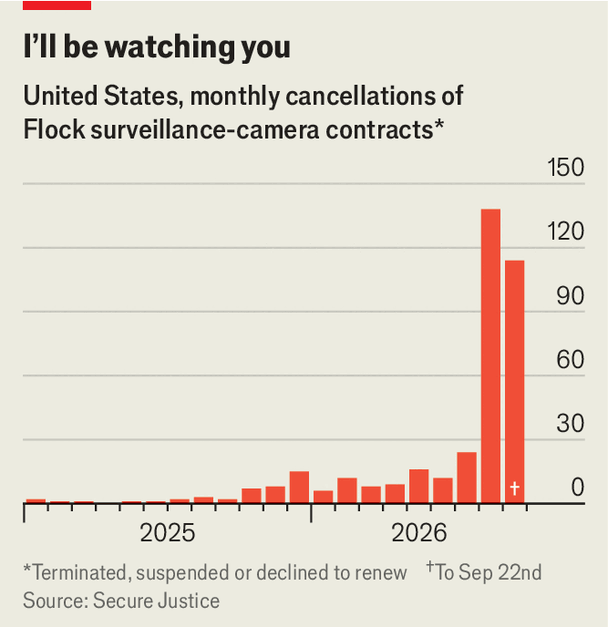
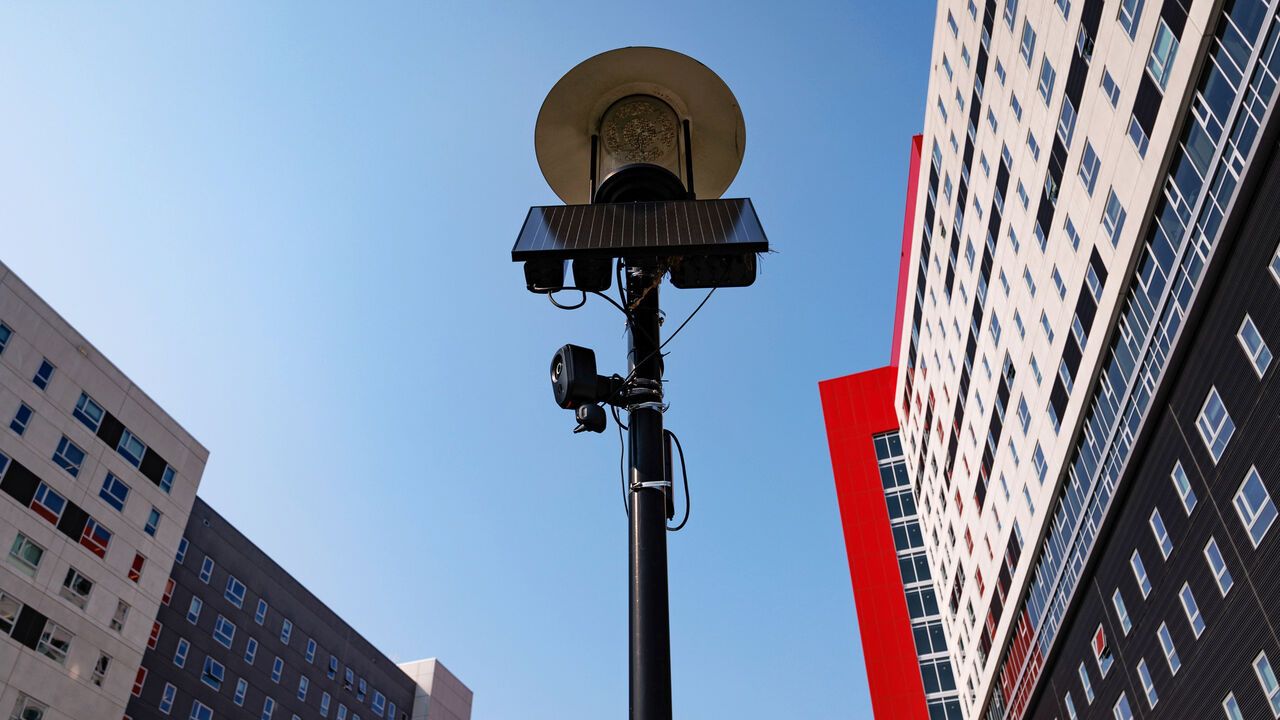
His request follows months of backlash(强烈抵制) against Flock Safety, America’s largest operator of automatic licence-plate readers (ALPRs). Flock’s cameras use AI to track vehicles, aiding police investigations. But officers have also misused(滥用) them. The share of Americans opposed to ALPRs in their community has risen from 33% to 46% in under a year, according to YouGov, a pollster.(民调机构YouGov的数据显示,反对在所在社区部署ALPR的美国人比例在不到一年内从33%升至46%。) Lawmakers from both parties are mulling(酝酿、考虑) bills to limit the technology.
他的请求发出之前,针对美国最大的自动车牌识别器(ALPR)运营商Flock Safety的抵制已持续数月。Flock的摄像头利用人工智能追踪车辆,协助警方调查。但警员也滥用了这些设备。民调机构YouGov的数据显示,反对在所在社区部署ALPR的美国人比例在不到一年内从33%升至46%。两党议员都在酝酿立法限制这项技术。
ALPRs are not new: local governments have long used them to collect tolls(通行费) and enforce traffic laws. More recently, activists on the left protested against their use by federal immigration authorities. Donald Trump, on the other hand, says he likes Flock because it helps law enforcement. Yet the uproar(轩然大波) has escalated(升级、加剧) quickly, echoing the outcry over data centres(与围绕数据中心的抗议如出一辙). ALPRs and data centres(数据中心引发的社会争议) have both scaled up quickly and become symbols of anxiety about AI.
ALPR并非新鲜事物:地方政府长期以来一直用它们收取通行费、执行交通法规。最近,左翼活动人士抗议联邦移民当局使用这类设备。而唐纳德·特朗普则表示他喜欢Flock,因为它有助于执法。然而,这场风波迅速升级,与围绕数据中心的抗议如出一辙。ALPR和数据中心都迅速扩张,并成为人们对人工智能焦虑的象征。