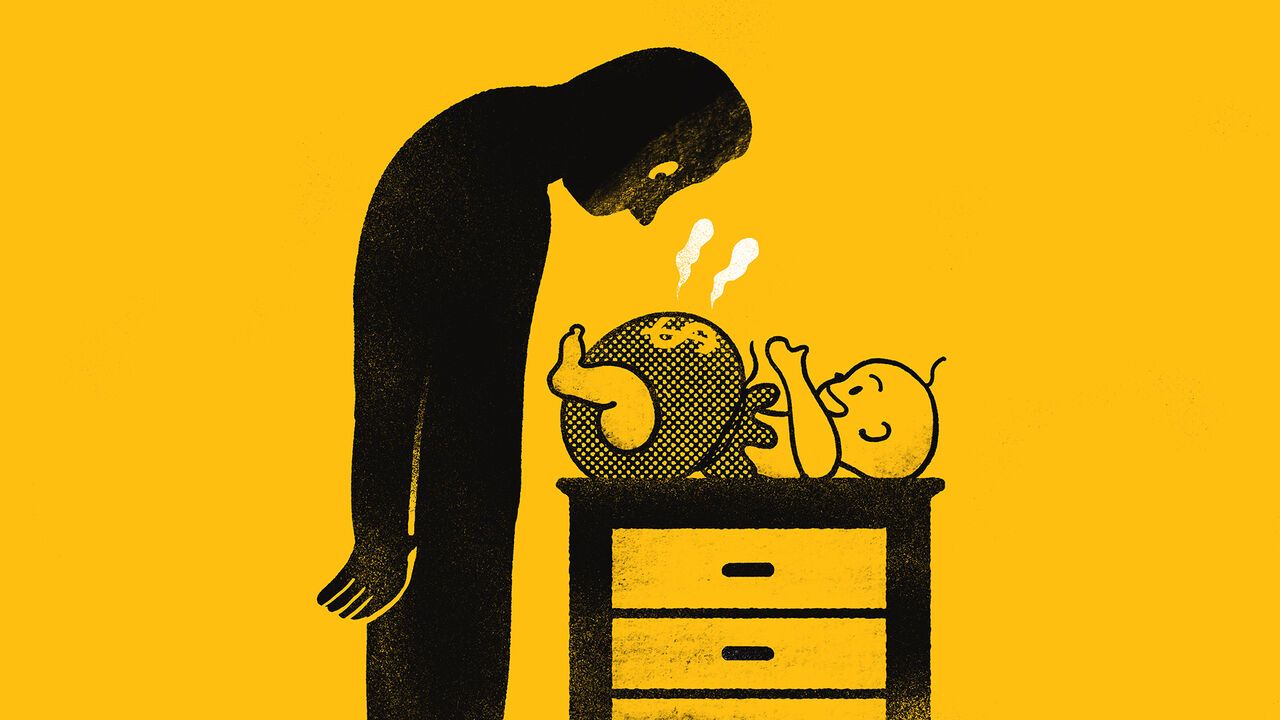
Patience, consistency and frugality(节俭) are fine habits for an investor. They are not, however, common virtues among newborn babies. The little bundles of joy(快乐的小包裹(指婴儿)) are impulsive short-term thinkers. They are also some of nature’s biggest freeloaders(白吃白喝的人), living entirely beyond their means.
耐心、持之以恒和节俭,是投资者的好习惯。然而,这些美德在新生儿身上并不常见。这些“快乐的小包裹”冲动行事,只图眼前。他们还是大自然中最爱白吃白喝的一群,完全过着入不敷出的生活。
All the same(尽管如此), for new parents with a soft spot for(对……情有独钟) the magic of compounding(复利), like your columnist, a baby presents a tantalising(诱人的) investment opportunity. Many decades of life and potential returns stretch out into the future: $1,000 invested today with a real annual return of 5.2% (the average for global stocks over the past 125 years) would be worth $58,000 by the time the child is 80.(未来还有几十年的生命和潜在回报在延伸:今天投入1000美元,按5.2%的实际年回报率(过去125年全球股票的平均水平)计算,等孩子80岁时,这笔钱将价值5.8万美元。)
尽管如此,对于像本专栏作者这样对复利魔力情有独钟的初为父母者来说,一个婴儿就是一个诱人的投资机会。未来还有几十年的生命和潜在回报在延伸:今天投入1000美元,按5.2%的实际年回报率(过去125年全球股票的平均水平)计算,等孩子80岁时,这笔钱将价值5.8万美元。
Yet these juicy(丰厚的) financial returns must be considered alongside(与……一起) another sort of investment: in the children themselves. Spending on a child’s health, education and skills can yield even higher returns (on top of helping them lead a fulfilling life).(花在子女健康、教育和技能上的钱,可能带来更高的回报(更不用说还能帮他们过上充实的人生)。) So how should a new parent think about their budding(崭露头角的) little portfolio?
然而,这些丰厚的财务回报必须与另一种投资放在一起考量:对孩子本身的投资。花在子女健康、教育和技能上的钱,可能带来更高的回报(更不用说还能帮他们过上充实的人生)。那么,初为父母者该如何看待自己这个正在萌芽的小小投资组合呢?