Letters are welcome(欢迎来信) via email to letters@economist.comFind out more about how we process your letter(了解更多关于我们处理您来信的方式)
欢迎通过电子邮件投稿至 letters@economist.com。了解更多关于我们如何处理您的来信的信息。
Pass the knife
递上手术刀
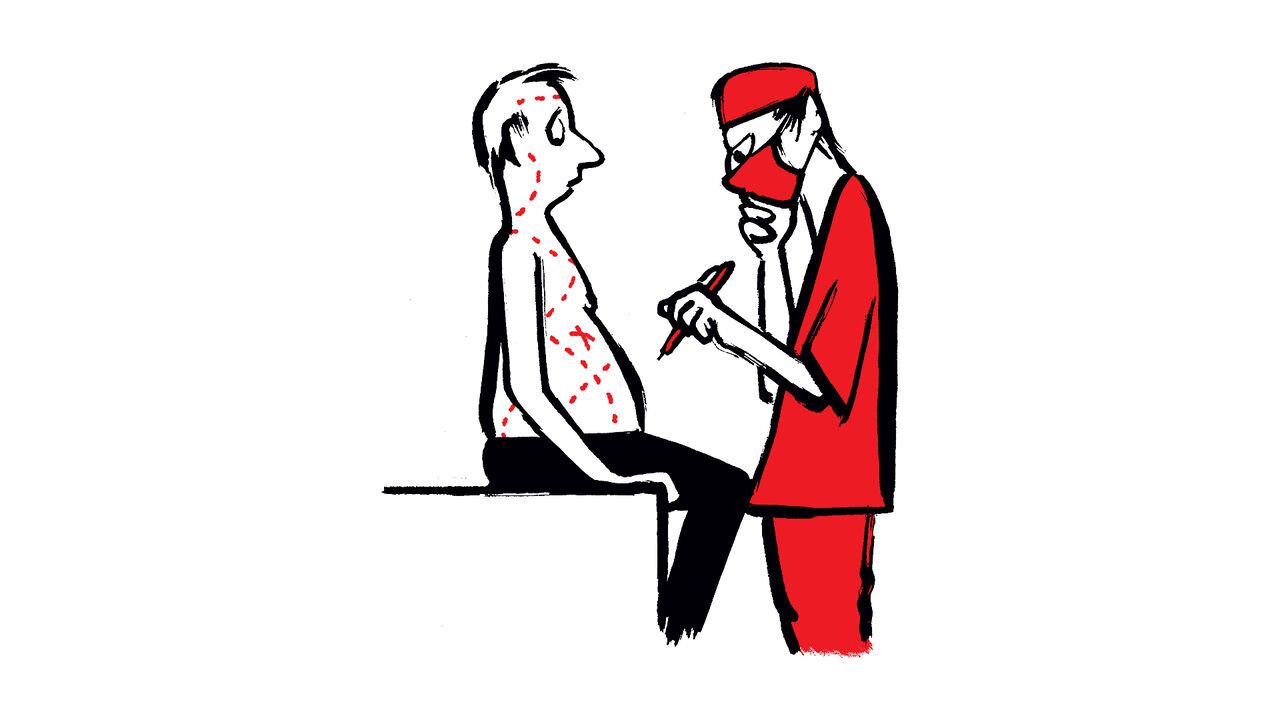
Back and shoulder surgery is often worse than useless(比无用更糟), you say (“The cost of cutting”, September 26th). You cast(描绘;把……塑造为) surgeons as the problem: “If your only tool is a scalpel(手术刀), everything looks ripe for(适合……的;时机成熟的) cutting.” My experience as an orthopaedic registrar(骨科住院医师) is often the reverse. During our shoulder and spine clinics, much time is spent trying to talk patients out of operations(劝说患者不要手术). Many arrive convinced that a specific procedure is the only thing that will fix them. That belief may come from a friend, a referral(转诊;推荐) letter, the internet or an MRI report describing a “tear(撕裂)” (which is also common in people with no pain at all). They are in pain, and their hope is pinned to(寄托于;系于) surgery.
你们说,背部和肩部手术往往比无用更糟(《切割的代价》,9月26日)。你们把外科医生描绘成问题所在:“如果你唯一的工具是手术刀,那么一切看起来都适合切割。”而我作为骨科住院医师的经历往往恰恰相反。在我们的肩部和脊柱门诊中,大量时间都花在试图劝说患者不要手术上。许多患者来就诊时坚信,某种特定手术是唯一能治好他们的办法。这种信念可能来自朋友、转诊信、互联网,或一份描述“撕裂”的MRI报告(而这种撕裂在完全没有疼痛的人身上也很常见)。他们身处疼痛之中,希望全寄托在手术上。
Unpicking that in a 20-minute appointment is hard, especially when the evidence is thin(证据不足). We can rarely say an operation won’t work, only that it hasn’t been shown to work.(我们很少能说某项手术不会有效,只能说它尚未被证明有效。) “We don’t know” is no match for(敌不过;无法匹敌) hope. Better trial(临床试验)s would give us firmer answers to offer.
在20分钟的门诊时间里解开这个心结很难,尤其是当证据不足时。我们很少能说某项手术不会有效,只能说它尚未被证明有效。“我们不知道”敌不过希望。更好的临床试验能让我们给出更确定的答案。
Press play on yesterday
按下昨日的播放键
It’s Miller time
米勒时间
Those lazy, hazy days
那些慵懒朦胧的日子
Government by the people
民有之政府