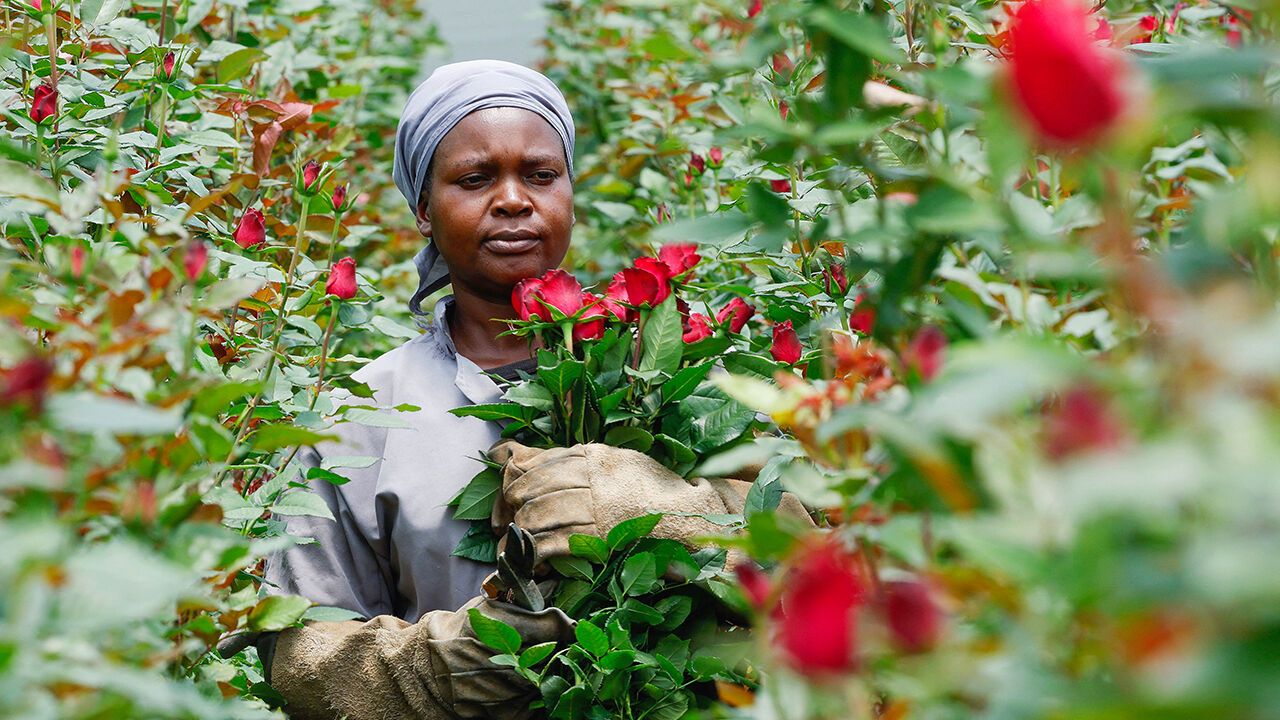
Masai farm near Nairobi, Kenya’s capital, is arguably(可以说,大概) as green as they come(最环保的,再环保不过). The temperature in its greenhouses is set by natural ventilation(通风,通风系统). Their proximity(接近,邻近) to the equator means the flowers get 12 hours of sunshine every day of the year, so artificial(人工的,人造的) light is unnecessary. Any carbon emissions are tracked and reported, says Vincent Terer, the farm manager.
位于肯尼亚首都内罗毕附近的马赛农场,可以说是最环保的农场之一。温室内的温度靠自然通风调节。由于靠近赤道,这里的花卉一年四季每天都能获得12小时日照,因此无需人工照明。农场经理文森特·特雷尔说,所有碳排放都会被追踪并上报。
And yet green-minded(注重环保的) policymakers in Europe are unimpressed(不以为然的,不买账的). Each night seven to 18 tonnes of its flowers are flown out of Nairobi, over half on the 6,400km journey to the Netherlands. This puts them in the sights of(成为……的目标) retailer(零售商)s in Britain and Europe seeking to cut their carbon footprint(碳足迹)s. Some European supermarkets and food companies have of late(近来,最近) banned, or said they plan to restrict, air freight(空运,航空货运) from their fresh-produce(生鲜农产品) supply chains. Some are switching from east Africa to places like Morocco, which can send exports by sea.
然而,欧洲那些注重环保的政策制定者并不买账。每晚有7到18吨鲜花从内罗毕空运出境,其中超过一半要飞越6400公里抵达荷兰。这让它们成了英国和欧洲零售商的目标,这些零售商正设法削减自身的碳足迹。近来,一些欧洲超市和食品公司已经禁止、或表示计划限制生鲜供应链中的空运。还有一些正把采购地从东非转向摩洛哥等地,因为那里可以通过海运出口。
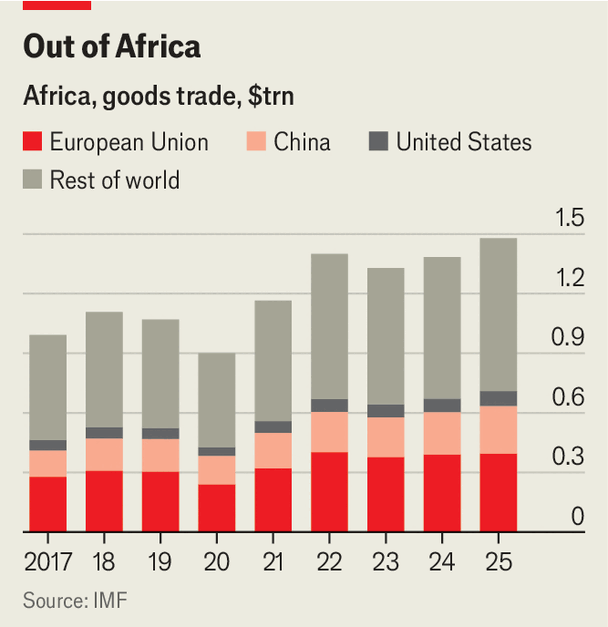
Low-carbon African exporters like those in Kenya’s blooming(蓬勃发展的;盛开的) cut-flower industry contribute next to nothing(几乎为零,微不足道) to climate change. Africa has 18% of the world’s population but is responsible for less than 4% of historic(历史上的,历史性的) carbon-dioxide emissions. Yet it is especially exposed to what Jodie Keane of odi, a think-tank in London, calls a “green squeeze”: rising costs and shrinking market access as richer countries adopt measures to decarbonise global supply chains.(然而,它却格外容易受到伦敦智库ODI的乔迪·基恩所说的“绿色挤压”的冲击:随着富裕国家采取措施推动全球供应链脱碳,非洲出口成本上升、市场准入收窄。) Between 1997 and 2021 the share of trade measures relating to environmental concerns notified to the World Trade Organisation rose from 8% to 19%. Those most heavily burdened(负担沉重的) include Africa’s small businesses and farms that risk losing vital(至关重要的) trade as the effects of climate change start to be felt.
像肯尼亚蓬勃发展的切花产业这样的非洲低碳出口商,对气候变化几乎毫无“贡献”。非洲拥有全球18%的人口,却只占历史二氧化碳排放量的不到4%。然而,它却格外容易受到伦敦智库ODI的乔迪·基恩所说的“绿色挤压”的冲击:随着富裕国家采取措施推动全球供应链脱碳,非洲出口成本上升、市场准入收窄。1997年至2021年间,向世界贸易组织通报的与环境相关的贸易措施占比从8%升至19%。负担最重的包括非洲的小企业和农场,随着气候变化的影响开始显现,它们面临失去关键贸易的风险。