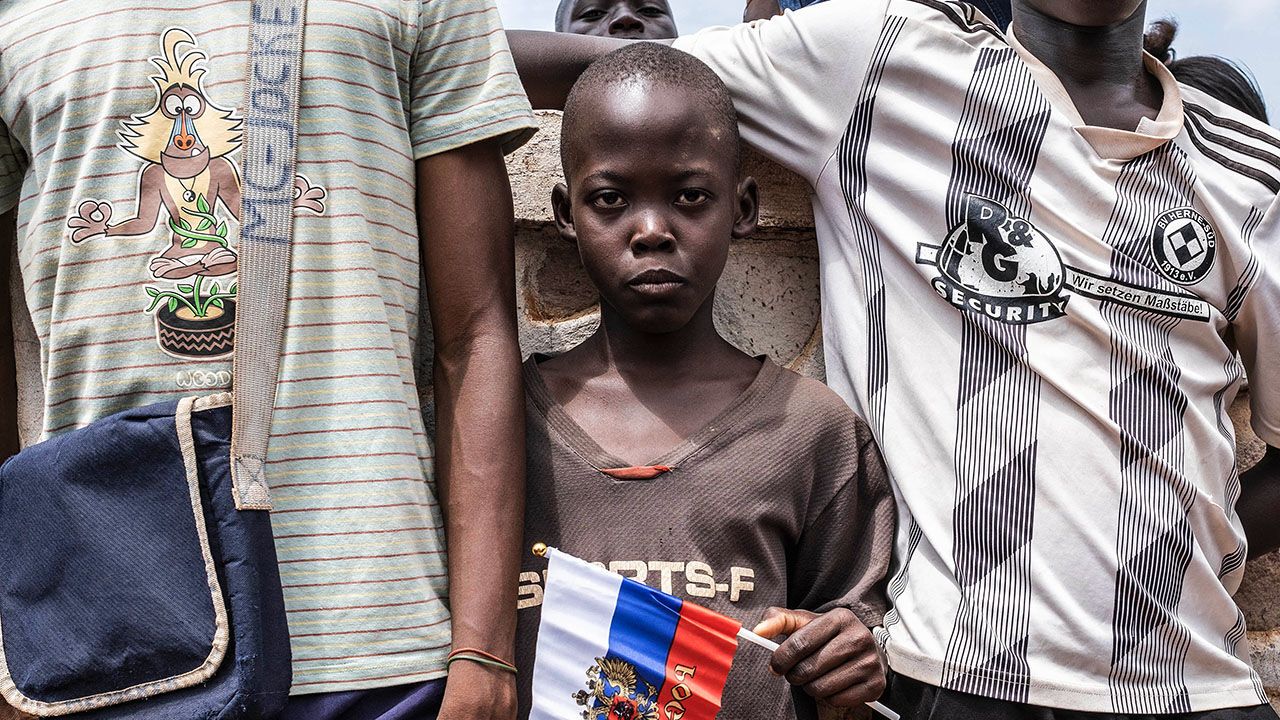
ON OCTOBER 28TH African leaders will gather in Moscow for the third Russia-Africa summit(俄罗斯-非洲峰会) since 2019. For Vladimir Putin the event is part of a concerted effort to persuade the global south that Russia is fighting on behalf of what he calls the “global majority” against “neocolonialism”.(对普京而言,这场活动是一场协调行动的一部分,旨在说服全球南方相信俄罗斯正代表他所谓的“全球多数”对抗“新殖民主义”。) The bid has gathered pace(加速) since Russia’s full-scale invasion of Ukraine began in 2022. At the most recent summit in 2023 a spokeswoman claimed that “Russian men give their lives at the front so that people from the African continent are free.”
10月28日,非洲领导人将齐聚莫斯科,参加自2019年以来的第三届俄罗斯-非洲峰会。对弗拉基米尔·普京而言,这场活动是一场协调行动的一部分,旨在说服全球南方相信俄罗斯正代表他所谓的“全球多数”对抗“新殖民主义”。自2022年俄罗斯全面入侵乌克兰以来,这一努力不断加速。在2023年最近一次峰会上,一位女发言人声称:“俄罗斯男人在前线献出生命,是为了让非洲大陆的人民获得自由。”
Many African leaders will scoff(嗤之以鼻) at such sentiments. But Mr Putin believes that the continent provides fertile ground(肥沃土壤) for seeding Russia’s poisonous ideas. In February Sergei Lavrov, the foreign minister, said 90% of the Russian officials expelled from Europe had been reassigned(重新分配) to the continent. Russia has stepped up attempts to sway African hearts and minds(影响非洲人的心灵) through cultural diplomacy, the Orthodox Church, higher education, professional groups, media ventures and disinformation. As with its more muscular military interventions on the continent, it is hard to assess the success of this cognitive warfare.(与俄罗斯在非洲大陆更具肌肉感的军事干预一样,很难评估这场认知战的成功程度。) But Russia benefits from lingering sympathies for the Soviet Union as well as legitimate African criticisms of richer countries.
许多非洲领导人会对这种情绪嗤之以鼻。但普京相信,非洲大陆为播撒俄罗斯的有毒思想提供了肥沃土壤。今年2月,外交部长谢尔盖·拉夫罗夫表示,从欧洲被驱逐的俄罗斯官员中有90%被重新分配到非洲大陆。俄罗斯通过文化外交、东正教会、高等教育、职业团体、媒体项目和虚假信息,加大了影响非洲人心灵的力度。与俄罗斯在非洲大陆更具肌肉感的军事干预一样,很难评估这场认知战的成功程度。但俄罗斯受益于对苏联的余情未了,以及非洲对富裕国家的合理批评。
Russian efforts are like matryoshka dolls(俄罗斯套娃): there is more to them than meets the eye(另有玄机). Take cultural diplomacy. In September Russia said it would expand the number of “Russia Houses”, cultural institutions that operate under the ministry of foreign affairs, in Africa from 16 to 24. Critics, such as Ivan Klyszcz of the International Centre for Defence and Security, an Estonian think-tank, call them “nodes in Russian propaganda networks”.(批评者,如爱沙尼亚智库国际防务与安全中心的伊万·克雷什奇,称它们是“俄罗斯宣传网络中的节点”。) The films they show support Kremlin narratives(叙事): “Battle for Africa”, a documentary about how Russia came to the aid of Sahelian countries defying French “neocolonialism”, or “Why I Moved To Russia”, about Americans who supposedly fled wokeism(觉醒主义) at home. Ukraine alleges(指控) that the houses are used to recruit Africans to fight against it in the war. Governments in Europe are debating whether to close them in their countries for spreading propaganda.
俄罗斯的努力就像套娃:表面之下另有玄机。以文化外交为例。今年9月,俄罗斯表示将在非洲把“俄罗斯之家”这类隶属外交部的文化机构从16个增加到24个。批评者,如爱沙尼亚智库国际防务与安全中心的伊万·克雷什奇,称它们是“俄罗斯宣传网络中的节点”。它们放映的电影支持克里姆林宫的叙事:《非洲之战》,一部关于俄罗斯如何援助萨赫勒国家反抗法国“新殖民主义”的纪录片;或者《我为什么搬到俄罗斯》,讲述据称逃离国内觉醒主义的美国人。乌克兰指控这些机构被用来招募非洲人参加对乌战争。欧洲各国政府正在辩论是否因传播宣传而关闭境内的俄罗斯之家。