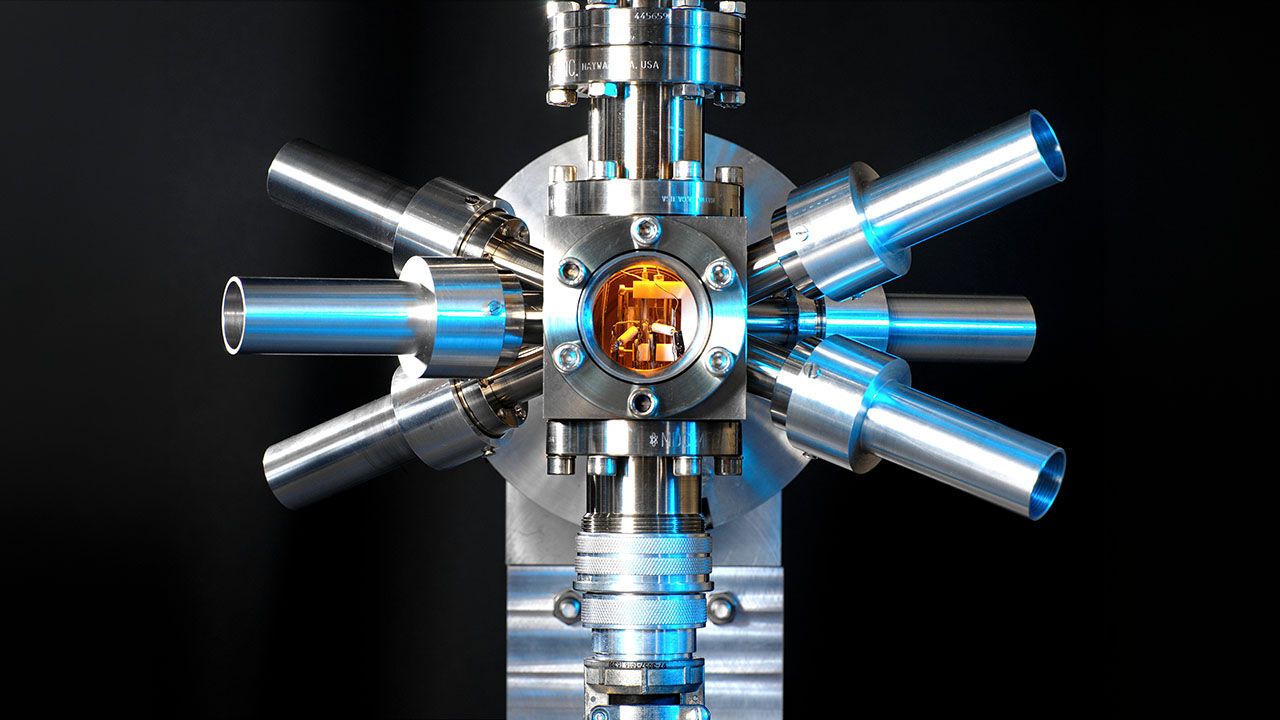
IT TAKES ABOUT a second to say “caesium(铯(化学元素)) atoms”. And, for nearly 60 years, caesium atoms have said how long a second lasts. That is because caesium-133, an isotope(同位素) of caesium, switches between two energy states when exposed to microwave radiation, at a rate so regular you could set your watch by it(极其规律,可用来对表). Indeed, atomic clocks use this steady rhythm to measure time. According to the International System of Units, a second is 9,192,631,770 cycles.
说一句“铯原子”大约需要一秒钟。而近60年来,正是铯原子定义了“一秒钟”有多长。这是因为铯-133(铯的一种同位素)在受到微波辐射时会在两个能态之间跃迁,其频率极其规律,你完全可以拿它来校准手表。事实上,原子钟正是利用这种稳定的节律来计量时间。根据国际单位制,一秒钟等于9,192,631,770个周期。
But not for much longer. On October 13th the world’s top metrologists convened in Versailles for the General Conference on Weights and Measures (CGPM), as they have done roughly once every four years since 1889, to discuss the science of measurement.(10月13日,全球顶尖计量学家齐聚凡尔赛出席国际计量大会,讨论测量科学——自1889年以来他们大约每四年就这样聚一次。) After three days of debate, they set themselves a deadline: by 2030 they will decide how to redefine the second.
但这种局面不会持续太久了。10月13日,全球顶尖计量学家齐聚凡尔赛,出席国际计量大会(CGPM),讨论测量科学——自1889年以来,他们大约每四年就这样聚一次。经过三天的辩论,他们给自己定下了一个最后期限:到2030年,他们将决定如何重新定义“秒”。
The CGPM oversee(监督,管理)s the International Bureau of Weights and Measures (BIPM)(国际计量局,全球时间标准维护者), which sets the global standard for the passage of time. It does so by combining measurements from hundreds of atomic clocks based in laboratories around the world, to account for small fluctuations which can cause errors in each individual reading.(其做法是汇总世界各地实验室数百台原子钟的测量数据,以抵消可能给每台钟的单独读数造成误差的微小波动。) The result is a single standardised time that co-ordinates everything from financial transactions to satellite navigation.
国际计量大会(CGPM)下辖国际计量局(BIPM),后者负责制定全球时间流逝的标准。其做法是汇总世界各地实验室数百台原子钟的测量数据,以抵消可能给每台钟的单独读数造成误差的微小波动。最终得到的是一个统一的标准时间,从金融交易到卫星导航,一切都靠它来协调。