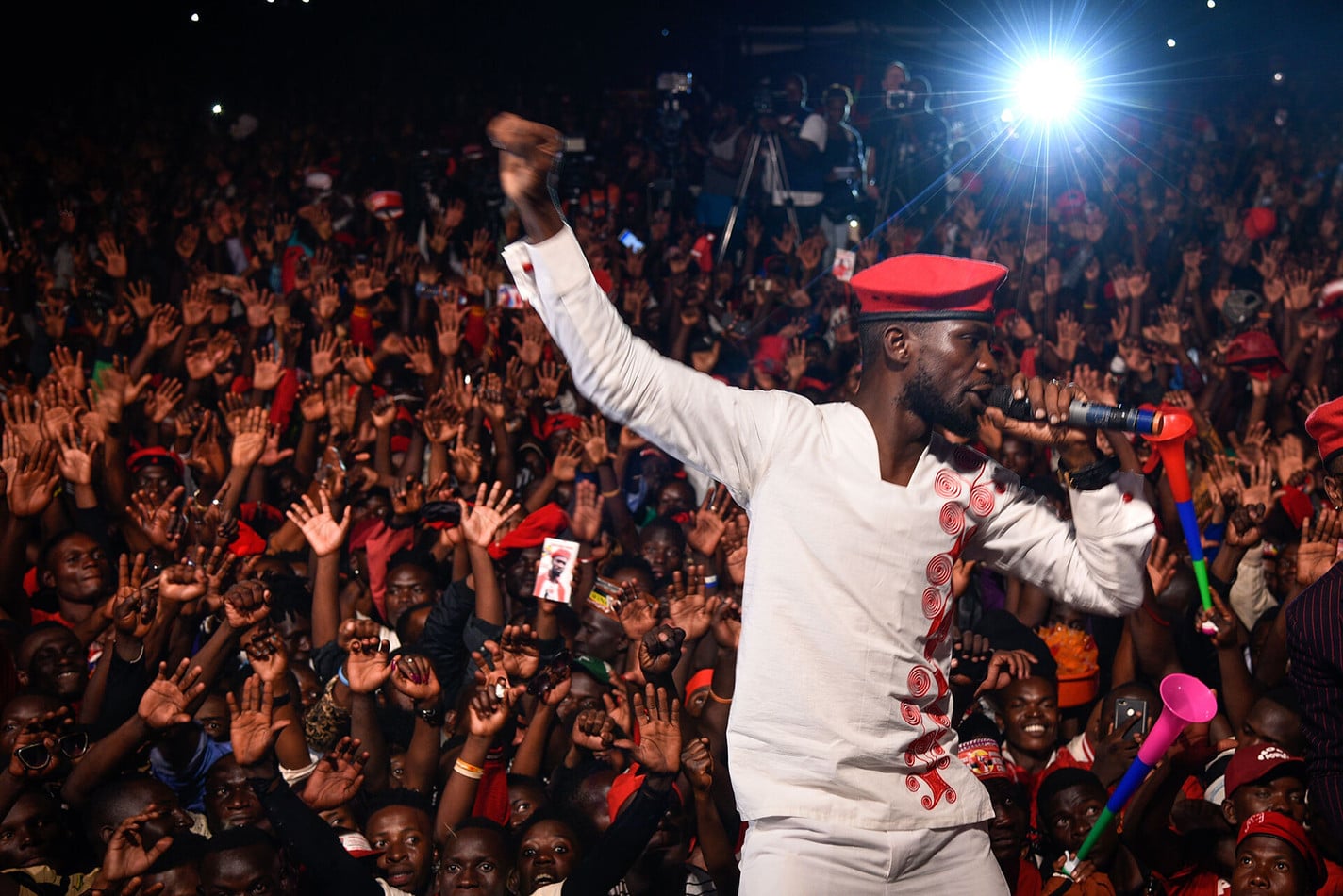
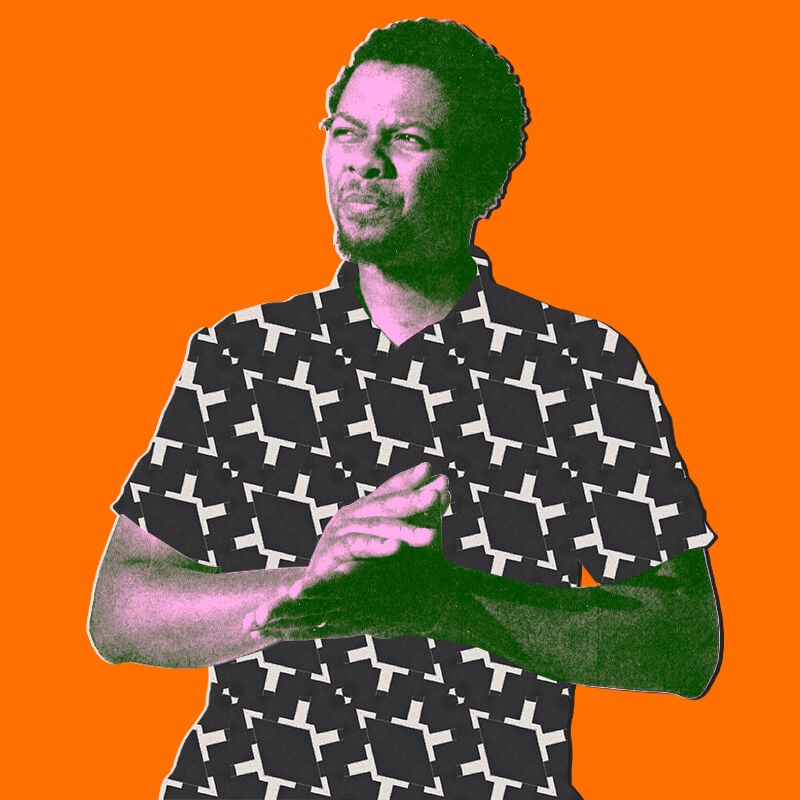
“In the town where I grew up I have become a stranger, as though I belong to no land.” So sings Teddy Afro, Ethiopia’s biggest pop star, on “Das Tal”, a hit song released in April. It is a denunciation(谴责) of the violence and repression convulsing(使剧烈震动) his country. Days after its release more than a hundred people in Addis Ababa, the capital, were reportedly arrested(据报被捕) for listening to it in public. Police are said to have warned nightclub owners in the city not to play it. Teddy’s studio was raided(突袭) and two of his associates were reportedly detained(拘留).
“在我长大的小镇,我已成了陌生人,仿佛不属于任何一片土地。”埃塞俄比亚最火的流行歌手Teddy Afro在四月发行的热门歌曲《Das Tal》中这样唱道。这首歌谴责了席卷全国的暴力和镇压。发行几天后,首都亚的斯亚贝巴据称有一百多人因在公共场合听这首歌而被捕。据说警方警告该市的夜店老板不得播放此歌。Teddy的录音室遭到突袭,他的两名助手据报被拘留。
Such cartoonish(漫画式的) thuggery(暴行) might seem excessive. But the Ethiopian government and other African regimes have good reason to fear musicians. Opposition parties in Africa tend to be weak or divided. Civil society is typically supine(逆来顺受的), the media often cowed(被吓倒的). But on a continent teeming(充满) with disaffected(不满的) youth, music remains a lively political battleground. In many countries, musicians have emerged as the most authentic—and at times the most dangerous—voices of dissent(异见声音). “If you want to understand our politics, you should listen to the music,” says an Ethiopian analyst. (You can find a playlist compiled by The Economist at the end of this article.)
这种漫画式的暴行或许显得过分。但埃塞俄比亚政府和其他非洲政权有充分理由害怕音乐人。非洲的反对党往往弱小或分裂。公民社会通常逆来顺受,媒体常常被吓倒。但在一个充满不满青年的非洲大陆,音乐仍然是活跃的政治战场。在许多国家,音乐人已成为最真实——有时也是最危险——的异见声音。“如果你想了解我们的政治,就应该听听音乐,”一位埃塞俄比亚分析人士说。(你可以在本文末尾找到《经济学人》编制的播放列表。)
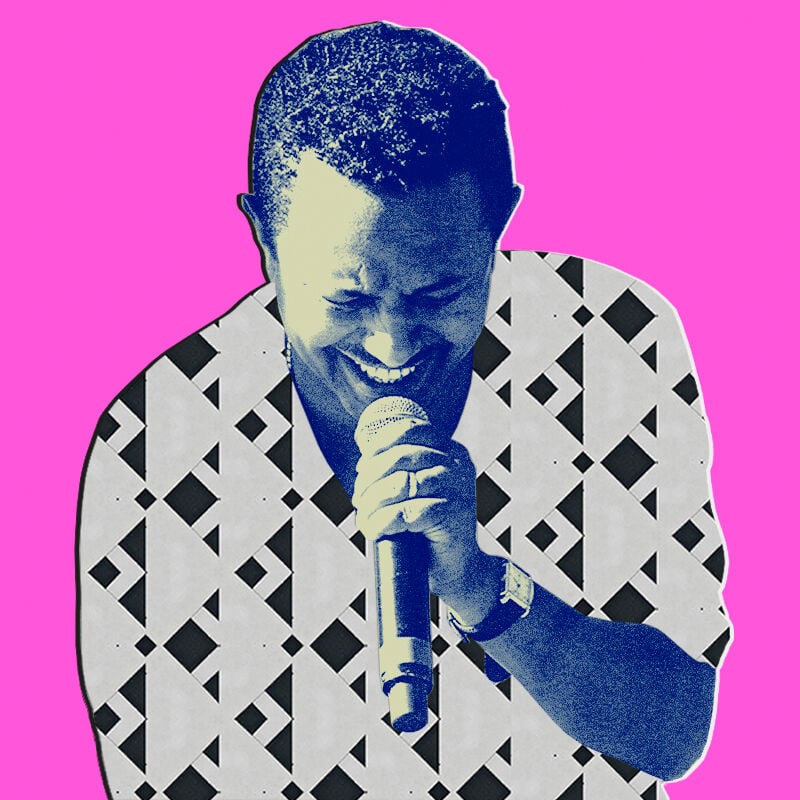
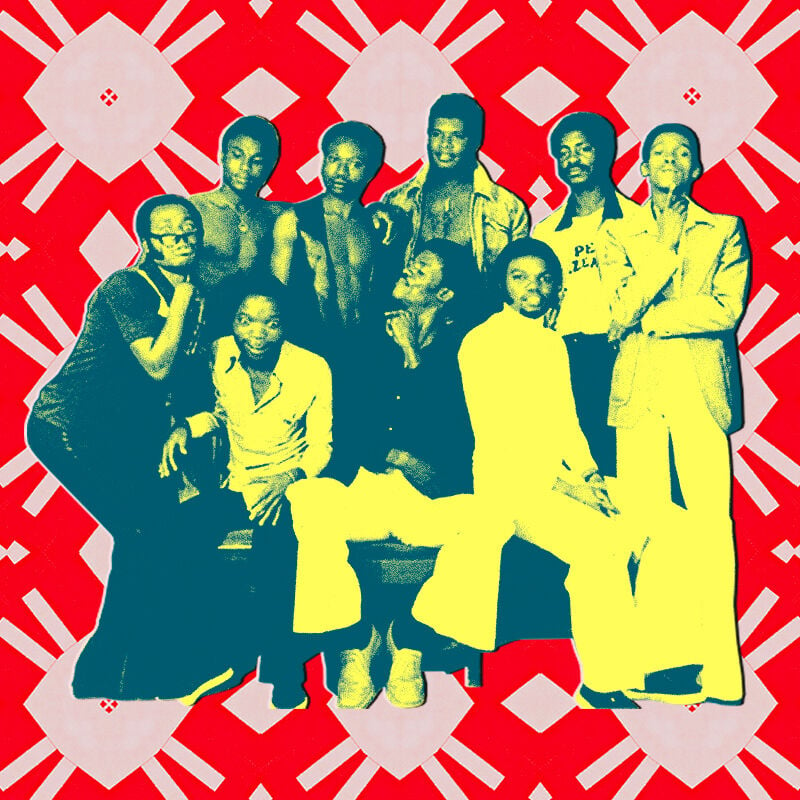
This may come as a surprise, since Africa’s best-known musical exports these days are politically anodyne(无害的). Afrobeats, for instance, might owe its name to Fela Kuti, a ludic(顽皮的) Nigerian radical repeatedly jailed by military juntas(军政府). But most of its current stars specialise in “club bangers(俱乐部炸曲)”, apolitical anthems for the discotheque. South Africa’s music scene once produced anti-apartheid icons like Miriam Makeba and Hugh Masekela. It is now most famous for Amapiano, a hypnotic and hedonistic(享乐主义的) genre of electronic dance music.
这或许令人意外,因为如今非洲最著名的音乐输出在政治上是无害的。例如,Afrobeats的名字或许源自Fela Kuti——一位被军政府多次监禁的顽皮尼日利亚激进分子。但如今大多数明星专攻“俱乐部炸曲”,即适合迪斯科舞厅的非政治颂歌。南非音乐界曾产出Miriam Makeba和Hugh Masekela等反种族隔离偶像。如今它最出名的是Amapiano——一种催眠般、享乐主义的电子舞曲。