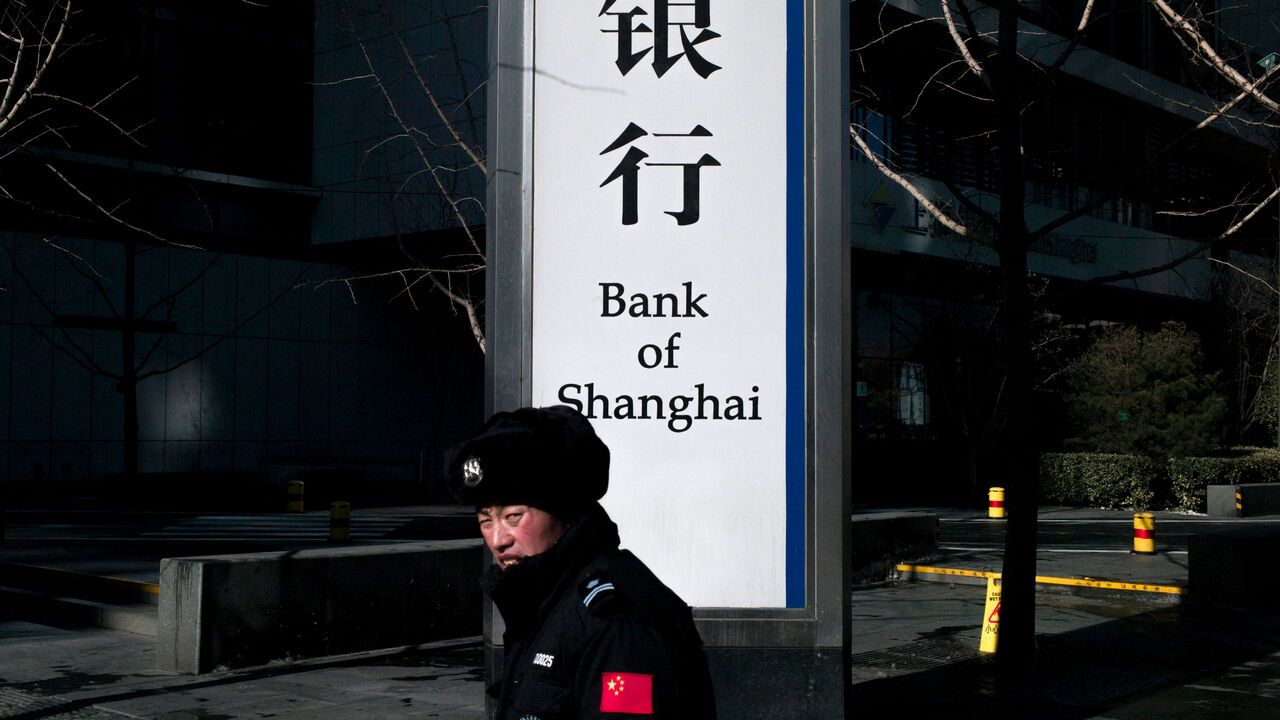
ON OCTOBER 31ST Bank of Shanghai gave investors a nasty shock(令人不快的冲击). It said its net profit had collapsed(暴跌;崩溃) by 93% in the third quarter, year on year(同比), to 350m yuan ($53m); its non-performing loans(不良贷款) shot up(激增;猛涨) by 75% in the first nine months of 2026; and the capital set aside(预留;拨出) to cover unexpected losses hit the lowest in a decade. Its share price plunged(暴跌) by over 10%. The main source of the lender’s troubles seems to be its relationship with one man, Yao Zhenhua.
10月31日,上海银行让投资者大吃一惊。该行表示,第三季度净利润同比暴跌93%,降至3.5亿元人民币(合5300万美元);2026年前九个月不良贷款激增75%;为覆盖意外损失而预留的资本金降至十年来最低水平。其股价暴跌超过10%。这家银行麻烦的主要根源,似乎在于它与一个男人——姚振华——的关系。
Mr Yao has been stalking(觊觎;悄悄追踪) Chinese finance since 2015. That year his conglomerate(企业集团), Baoneng, made a hostile bid(敌意收购) for Vanke, a giant property developer. This was a triple surprise: such takeovers are almost unheard of(闻所未闻的) in China; they are entirely unheard of when the target is, like Vanke, partly state-owned; and Baoneng financed the deal in an unconventional way, using premiums(保费) from several insurers it owned. This brazenness(肆无忌惮) earned Mr Yao the nickname “barbarian”, in tribute to American corporate raiders of the late 1980s.
自2015年以来,姚振华一直在觊觎中国金融业。那一年,他的宝能集团对房地产巨头万科发起了敌意收购。这带来了三重意外:此类收购在中国几乎闻所未闻;当收购目标像万科那样部分国有时,更是完全闻所未闻;而宝能还用非常规方式为交易融资——动用了旗下几家保险公司的保费收入。这种肆无忌惮让姚振华获得了“野蛮人”的绰号,致敬20世纪80年代末的美国企业狙击手。
The takeover failed and Mr Yao’s use of premiums was found to be illegal (China tightly regulates how they can be invested). In 2017 he was banned from the insurance industry for ten years. But he expanded his empire in other areas. This included a 6.6bn yuan debt-fuelled(债务驱动的) investment in Qoros, a maker of electric cars. As Bank of Shanghai has disclosed, commercial conquest has not gone well for the barbarian.(正如上海银行所披露的,这位“野蛮人”的商业征服并不顺利。)
收购失败,姚振华动用保费的做法被认定违法(中国对保费投资渠道有严格监管)。2017年,他被禁止进入保险业十年。但他仍在其他领域扩张帝国版图,包括以债务驱动的方式向电动汽车制造商观致汽车投资66亿元。正如上海银行所披露的,这位“野蛮人”的商业征服并不顺利。