RICH PARENTS are different. They have money. They also used to be different in spending pots of it on their offspring’s edification(教化,启迪). Yet as competition for university places and well-paying jobs heats up(加剧,升温), parents across income levels are bankrolling(资助,为…提供资金) their children’s futures earlier and more aggressively. From piano lessons for toddlers to tennis for teenagers, intensive parenting(密集型育儿) is on the rise.
富裕的父母与众不同。他们有钱。过去,他们在为子女的教育一掷千金方面也与众不同。然而,随着大学名额和高薪工作的竞争加剧,各收入阶层的父母都在更早、更猛烈地为孩子的未来掏钱。从幼儿的钢琴课到青少年的网球课,密集型育儿正在兴起。
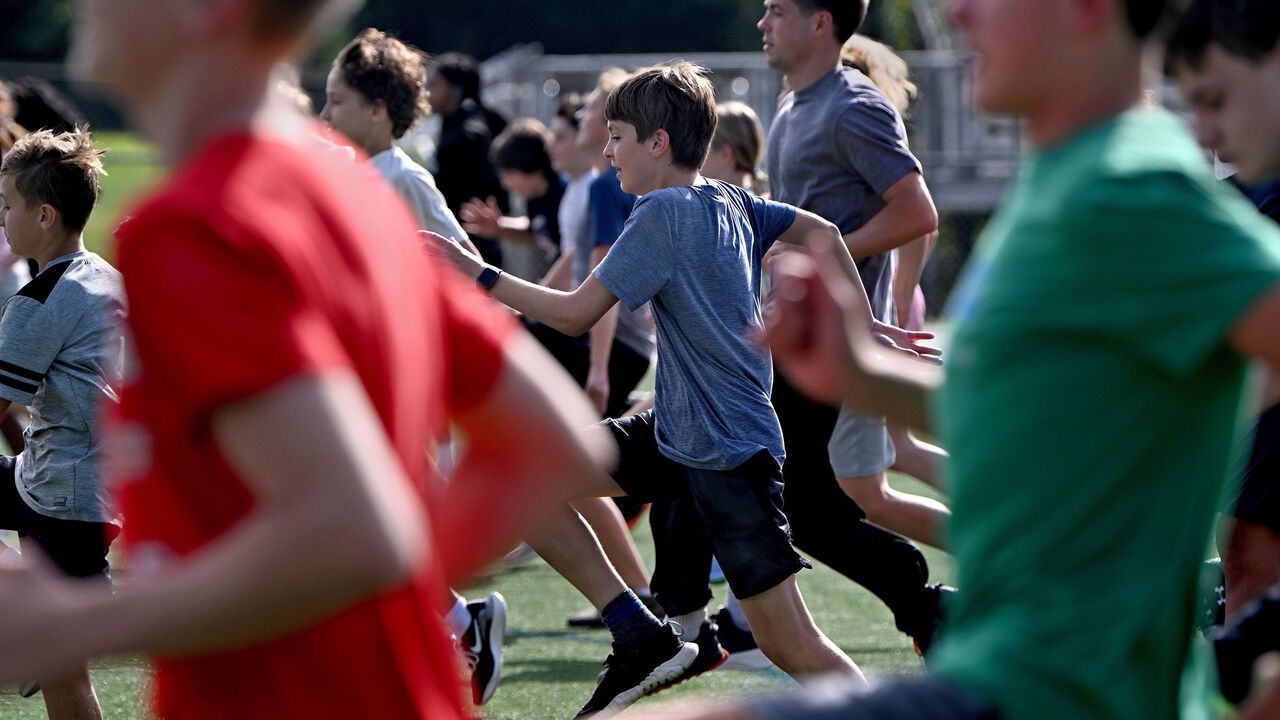
The sums are significant. More than half of American children take part in a sport after school or at weekends. In 2024 this cost the average family $1,016, just for one child’s main sport. That was a 46% jump from 2019, twice the cumulative(累计的) rate of inflation. Between the logistics of chauffeuring children to several practices each week and conferring with coaches, American parents are dedicating more than 15 hours a week to their children’s sports—a commitment on a par with a part-time job.(从每周开车送孩子参加多次训练的后勤安排,到与教练沟通,美国父母每周为孩子的体育运动投入超过15个小时——相当于一份兼职工作的投入。)
金额相当可观。超过一半的美国儿童在课后或周末参加体育运动。2024年,仅一个孩子的主要运动项目,平均每个家庭就要花费1016美元。这比2019年跃升了46%,是累计通胀率的两倍。从每周开车送孩子参加多次训练的后勤安排,到与教练沟通,美国父母每周为孩子的体育运动投入超过15个小时——相当于一份兼职工作的投入。
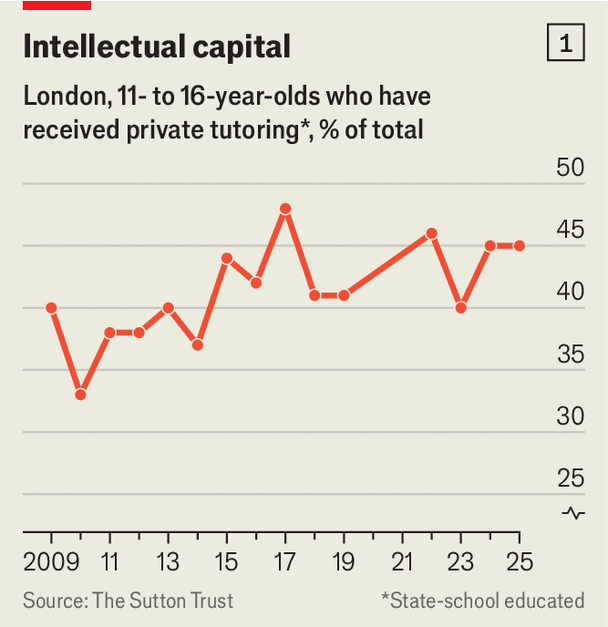
As with young bodies, so with young minds(身体如此,头脑亦然). Private tutoring has long been an obsession(执念,痴迷) in richer parts of Asia. Three in four school-age South Koreans took paid lessons in 2025, according to national surveys, including 57% in the lowest income quintile(五分位,五分之一组). So did four in five five-year-olds. The OECD(经济合作与发展组织), a club of mostly rich countries, estimates that average tutoring spending per pupil has reached roughly a tenth of average household disposable income(可支配收入).
身体如此,头脑亦然。私人补习长期以来一直是亚洲较富裕地区的执念。根据全国调查,2025年四分之三的韩国学龄儿童接受了付费课程,其中最低收入五分之一群体中也有57%。五岁儿童中五分之四也如此。主要由富裕国家组成的经合组织估计,每名学生的平均补习支出已达到家庭平均可支配收入的约十分之一。