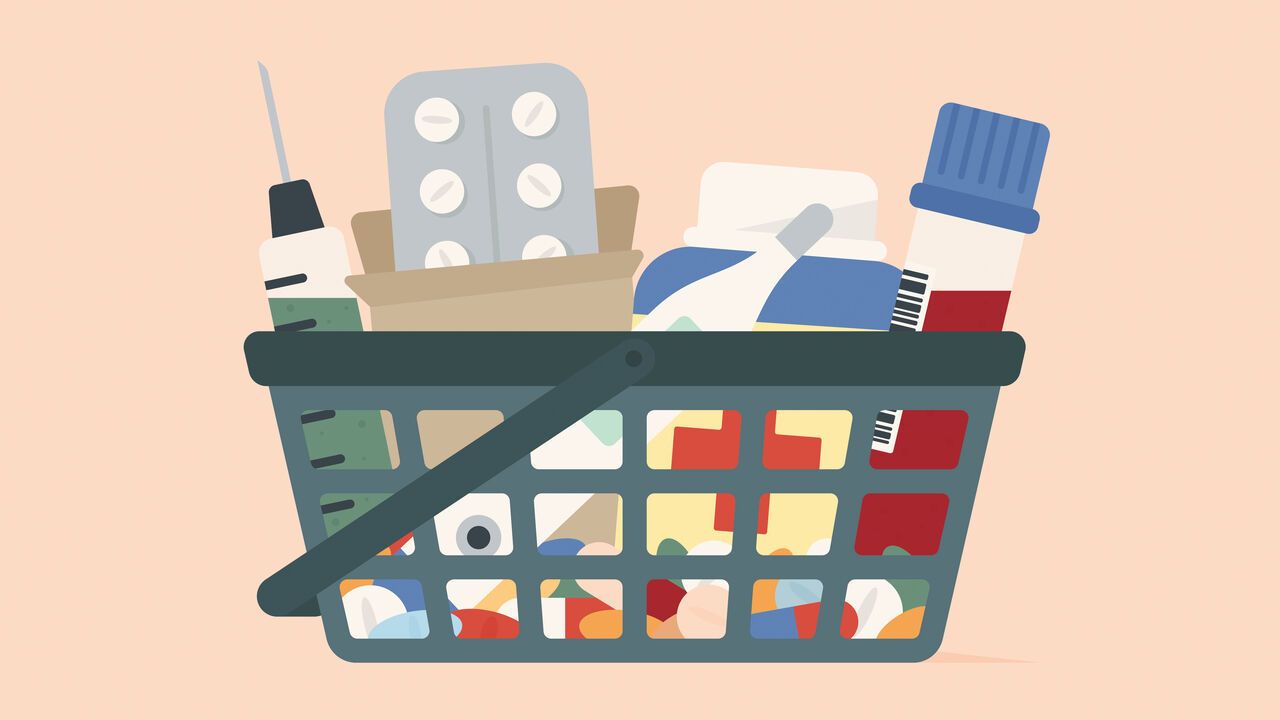
The person who uses a product usually chooses it and pays for it. The great exception is health care. Most of the time insurers (public or private) decide what is covered; doctors decide what is prescribed and patients take what they are given. The result is markets riddled(充满(贬义)) with inefficiency, and nowhere more so than(没有哪里比……更甚) in America, the world’s biggest. This year Americans are expected to spend about $6trn on health, nearly a fifth of their country’s GDP. Yet for all that money, about one adult in ten could not get an appointment when they needed one last year, and more than a quarter put off or skipped care because of the cost.(然而花了这么多钱,去年仍有约十分之一的成年人需要看病时约不到号,超过四分之一的人因费用问题推迟或放弃了治疗。)
使用产品的人通常自己挑选并付款。医疗是一个巨大的例外。多数情况下,由保险公司(公立或私立)决定覆盖哪些项目;医生决定开什么药,患者只能接受。结果就是市场效率低下,而美国这个全球最大的医疗市场问题最严重。今年美国人的医疗支出预计约为6万亿美元,几乎占该国GDP的五分之一。然而花了这么多钱,去年仍有约十分之一的成年人需要看病时约不到号,超过四分之一的人因费用问题推迟或放弃了治疗。
No wonder patients are taking matters into their own hands. They pepper(不断提问(动词)) chatbots with questions such as how to decode(解读,破译) a blood test or prepare for an appointment; every week more than 300m people ask ChatGPT about health, says OpenAI, its creator. The market for tests that patients order themselves has grown to be worth about $4bn a year in America, double its size in 2021, reckons Morgan Stanley, a bank. And drugmakers have started selling directly to patients. Eli Lilly, an American pharmaceutical giant, now fills about half of new prescriptions for its obesity jab in America this way, bypassing insurers.(美国制药巨头礼来公司目前约一半的减肥针新处方是通过这种方式开出的,绕过了保险公司。) All three developments are good news.
难怪患者开始自己动手。他们向聊天机器人抛出各种问题,比如如何解读血液检测结果、如何为就诊做准备;ChatGPT的开发者OpenAI表示,每周有超过3亿人向ChatGPT咨询健康问题。摩根士丹利银行估计,美国患者自行订购检测的市场规模已达每年约40亿美元,是2021年的两倍。制药商也开始直接向患者销售。美国制药巨头礼来公司目前约一半的减肥针新处方是通过这种方式开出的,绕过了保险公司。这三大进展都是好消息。
One reason is that patient-led markets bring lower prices. Take drugs. In America their true cost is obscure(掩盖,使模糊)d by a tangle of(一团乱麻般的) middlemen and insurers, who negotiate secret discounts from inflated(虚高的,膨胀的) list prices. When patients pay directly, prices are transparent and drugmakers must compete. New obesity drugs are a good example. Novo, a Danish drugmaker, launched Wegovy in 2021 at a list price of about $1,350 a month. That led to a price war with Lilly, and competition from cheap copies. Both firms now sell their jabs direct to patients for as little as $300-350 a month. The same logic works for older products. Mark Cuban Cost Plus Drug Company(马克·库班创办的低价在线药房), an online pharmacy founded by a billionaire, buys generic(仿制药)s from their makers and sells them at cost plus a 15% mark-up(加价,利润加成). One study found that patients with employer-provided insurance who pay over $15 for a prescription could buy it more cheaply from Cost Plus nearly 80% of the time.(一项研究发现,拥有雇主保险、每张处方自付超过15美元的患者,近80%的情况下可以从Cost Plus买到更便宜的药。)
原因之一是患者主导的市场带来了更低的价格。以药品为例。在美国,药品的真实成本被中间商和保险公司组成的复杂网络所掩盖,他们从虚高的标价中谈出秘密折扣。当患者直接付款时,价格变得透明,药企必须竞争。新型减肥药就是好例子。丹麦药企诺和诺德于2021年推出Wegovy,标价约为每月1350美元。这引发了与礼来的价格战,以及廉价仿制药的竞争。两家公司现在直接向患者销售减肥针,每月最低只需300至350美元。同样的逻辑也适用于老药。亿万富翁创立的在线药房Mark Cuban Cost Plus Drug Company从生产商处购买仿制药,然后以成本加15%的加价出售。一项研究发现,拥有雇主保险、每张处方自付超过15美元的患者,近80%的情况下可以从Cost Plus买到更便宜的药。