Yang Guofu spent much of the 1990s running from the chengguan(城管), a dreaded troop of goons(打手,暴徒) with the authority to rough up(粗暴对待,殴打) street vendors in the name of(以……的名义) tidier cities. At the time he was grilling squid from a cart in a north-eastern town. Since then Mr Yang has turned his business into a global restaurant franchise with more than 7,000 outlets(门店,销售点). His company, Yangguofu, dishes up(提供,端上(食物)) a spicy Chinese soup known as malatang(麻辣烫). Most of its shops are in China, but it has expanded to more than 20 other countries, opening in London and Rome last year, and in Luxembourg last month, far from the reach of the chengguan.
上世纪90年代,杨国福大部分时间都在躲避城管——一支令人畏惧的流氓队伍,有权以“让城市更整洁”为名粗暴对待街头小贩。当时,他正在东北某城镇推着车烤鱿鱼。此后,杨先生把自己的生意做成了拥有7000多家门店的全球餐饮连锁。他的公司杨国福主营一种名为麻辣烫的辣味中式汤食。大部分门店在中国,但已扩展到20多个国家,去年在伦敦和罗马开店,上个月在卢森堡开店——那里远非城管所能及。
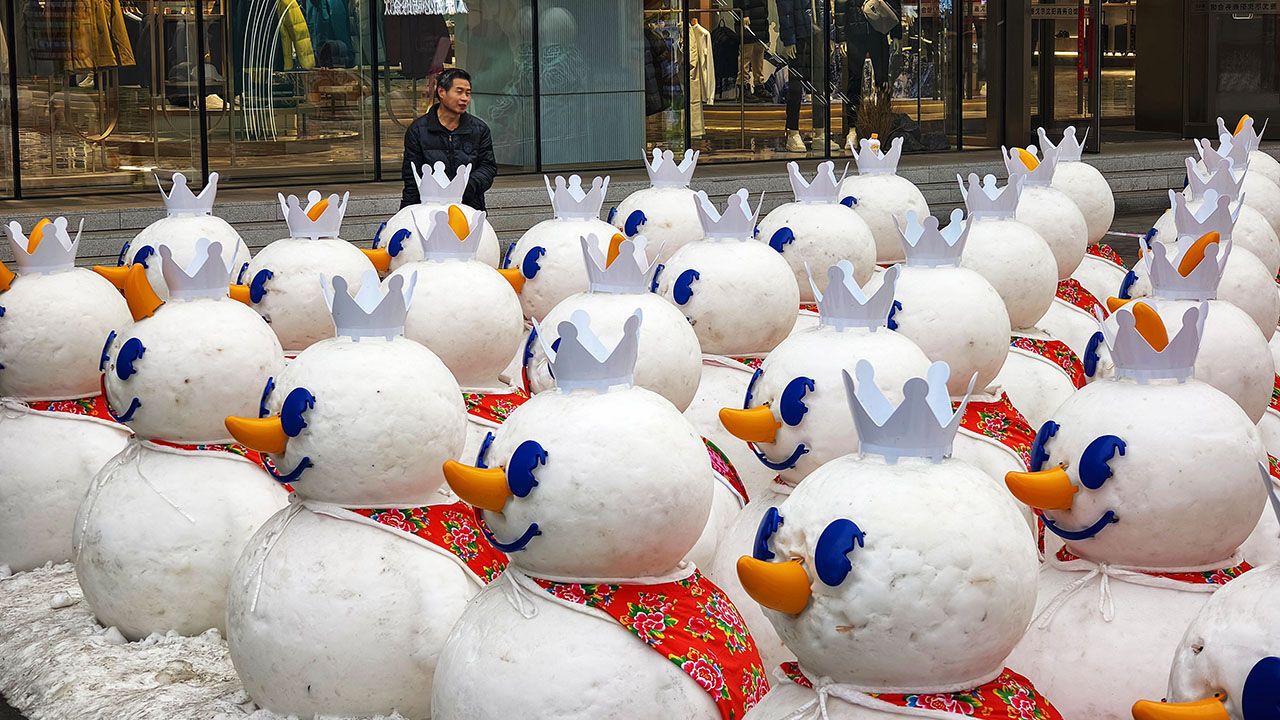
Mr Yang is part of an oddly timed(时机古怪的) retail revolution. Consumer spending in China is by most accounts miserable(惨淡的,糟糕的); retail sales grew by a lousy(糟糕的,低得可怜的) 1.1% in September, year on year. Once-popular Western brands are struggling. And yet walk down the street in a typical mid-size city in China and you are likely to see dozens of new retail shops wherever you look.(然而,走在中国典型的中型城市街头,你很可能看到到处都是新开的零售店。) There are myriad(无数的,大量的) milk-tea outlets. On the streets of Nanchang, a south-eastern city, every corner seems to have a GoodMe selling teas and treats. Snack shops, such as Busy Ming, which peddles(兜售,贩卖) a wide variety of sweets, crisps and dried meats, are almost as numerous. The snow-man mascot of Mixue, a popular cold-drinks franchise, is now ubiquitous(无处不在的).
杨先生是一场时机古怪的零售革命的一部分。中国的消费支出从多数方面看都惨淡;9月零售额同比仅增长1.1%,低得可怜。曾经风靡的西方品牌举步维艰。然而,走在中国典型的中型城市街头,你很可能看到到处都是新开的零售店。奶茶店数不胜数。在东南部城市南昌的街头,每个角落似乎都有一家古茗,卖茶饮和甜点。零食店,比如售卖各种糖果、薯片和肉干的零食很忙,几乎同样密集。蜜雪冰城——一个受欢迎冷饮连锁——的雪人吉祥物如今无处不在。
The growth of these businesses has been striking(惊人的,显著的). Between 2023 and 2025 China’s 300 largest food- and drinks-franchises may have opened more than half a million outlets. That is roughly five-times the number opened in America during its franchising heyday(鼎盛时期) between 1964 and 1969, when McDonald’s and Holiday Inn(麦当劳与假日酒店) first took off(起飞,迅速发展). Today Chinese brands such as Mixue, Busy Ming and JI Hotel control some of the world’s largest franchise networks in their industries. The explosive(爆炸式的,激增的) growth required at least 100bn yuan ($15bn) in fresh capital(新资本,新增资金) in 2025, The Economist reckons, much of which came from household savings.
这些企业的增长令人瞩目。2023至2025年间,中国300家最大的餐饮加盟品牌可能新开了超过50万家门店。这大约是美国特许经营鼎盛时期(1964至1969年)开店数量的五倍,当时麦当劳和假日酒店刚刚起飞。如今,蜜雪冰城、零食很忙和JI酒店等中国品牌掌控着各自行业全球最大的加盟网络之一。据《经济学人》估算,这种爆炸式增长在2025年至少需要1000亿元人民币(150亿美元)的新资本,其中大部分来自家庭储蓄。