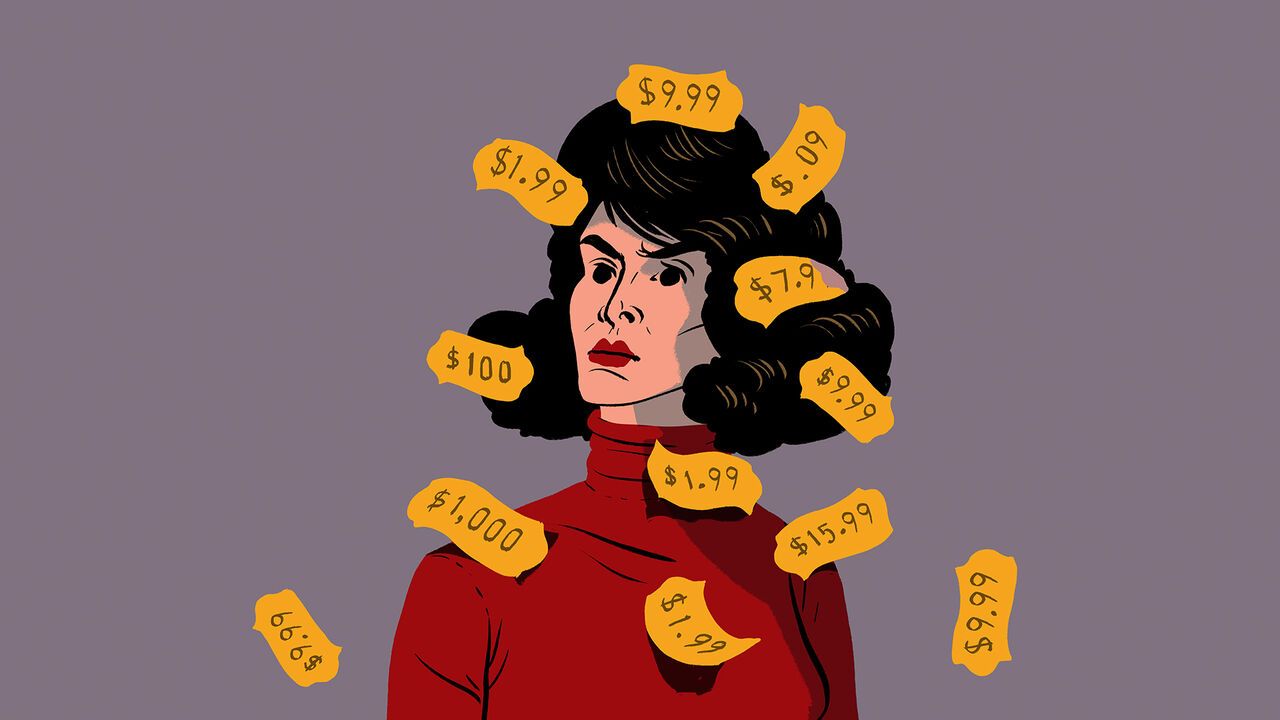
One of the great promises of artificial intelligence is persona(用户画像;人设)lisation. The ability to crunch(处理(数据)) vast amounts of data and generate tailored(量身定制的) content at scale(大规模地) raises all sorts of possibilities: individualised lesson plans for pupils in a classroom, treatments geared to the needs of specific patients, financial advice for a person rather than a persona. But in one area in particular, personalisation looks poisonous(有害的;有毒的).
人工智能的一大承诺就是个性化。它能够处理海量数据并大规模生成量身定制的内容,这带来了各种可能性:为课堂上的学生制定个性化的学习计划,为特定患者量身打造治疗方案,为个人而非用户画像提供理财建议。但在某一个特定领域,个性化却显得有害。
Legislators in America and beyond are queuing up(排队;纷纷) against personalised pricing, the idea of charging people different prices for the same product based on what firms know about them personally. The states of Maryland, Connecticut and New Jersey have all passed laws this year restricting the practice. New York already requires the use of personalised pricing to be disclosed(披露;公开); a more draconian(严厉的;苛刻的) law is awaiting the signature of Kathy Hochul, the state’s governor. On October 28th the Federal Trade Commission(美国联邦贸易委员会) ordered some of the country’s best-known firms, including Delta, Uber and Walmart, to hand over information as part of an investigation into personalised pricing. Regulators across the Atlantic are also swarming around(蜂拥围绕) the topic.
美国及其他国家的立法者正纷纷排队反对个性化定价,即根据企业对个人的了解,对同一产品向不同人收取不同价格的做法。马里兰州、康涅狄格州和新泽西州今年都通过了限制这一做法的法律。纽约州已要求披露个性化定价的使用;一项更严厉的法律正等待州长凯西·霍楚尔签署。10月28日,美国联邦贸易委员会命令达美航空、优步和沃尔玛等一些美国最知名的公司提交信息,作为对个性化定价调查的一部分。大西洋彼岸的监管机构也在纷纷围绕这一话题展开行动。
This is both unsurprising and misguided(错误的;被误导的). It is unsurprising because the public hates the idea. Dynamic pricing, the practice of varying the price of things like airline seats or ride-hailing fares over time in response to demand, is controversial enough. Personalised pricing, which means you might pay more than someone else who is buying an identical product at the same time, sounds even more galling.(个性化定价意味着你可能比同时购买相同产品的另一个人付更多钱,听起来更令人恼火。) When people are asked how they feel about this possibility, they give it a big thumbs-down(反对;不赞成). Given the march of(……的推进) AI and widespread concerns over “affordability”, it’s no great shock that policymakers are rushing to curtail(限制;缩减) the practice.
这既不出人意料,也是错误的。不出人意料是因为公众讨厌这个想法。动态定价——即根据需求随时间调整机票或网约车等价格的做法——已经够有争议了。个性化定价意味着你可能比同时购买相同产品的另一个人付更多钱,听起来更令人恼火。当人们被问及对此可能性的感受时,他们强烈反对。鉴于人工智能的推进和对“可负担性”的普遍担忧,政策制定者急于遏制这种做法并不令人震惊。