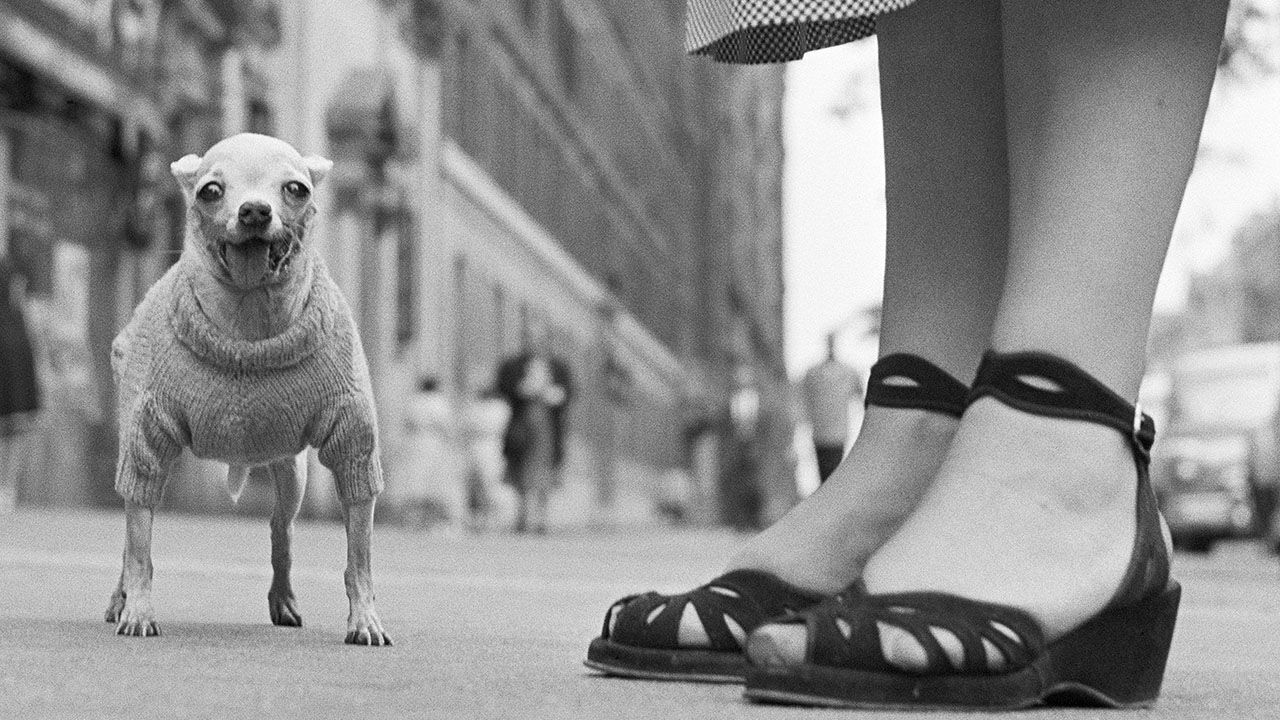
Yap(汪汪叫;吠声)! By Stephanie Howard-Smith. Ballantine Books; 288 pages; $32. Granta Books; £16.99
《汪汪!》斯蒂芬妮·霍华德-史密斯著。巴兰坦图书出版,288页,32美元;格兰塔图书出版,16.99英镑。
IT WAS NAPOLEON Bonaparte’s first defeat. On his wedding night in 1796, the plucky(勇敢的,有胆量的) young general found his bride, Joséphine de Beauharnais, already had company in her bedchamber(卧室,寝宫), in the form of Fortuné, a pug(巴哥犬,哈巴狗). Josephine insisted Fortuné stayed, even when the pup bit Napoleon on the leg. “He who dictated Europe’s rule could not put a dog out of his home,” a biographer later observed.(一位传记作家后来评论道:“那个主宰欧洲规则的人,却无法把一只狗赶出家门。”)
这是拿破仑·波拿巴的第一次失败。1796年的新婚之夜,这位勇敢的年轻将军发现新娘约瑟芬·德·博阿尔内的卧室里已有“客人”——一只名叫福尔图内的巴哥犬。即使小狗咬了拿破仑的腿,约瑟芬仍坚持让福尔图内留下。一位传记作家后来评论道:“那个主宰欧洲规则的人,却无法把一只狗赶出家门。”
In a new book Stephanie Howard-Smith, a historian at the University of York, chases tales (and tails)(追寻故事(和尾巴)) to show the “outsize pawprint(巨大的爪印(喻巨大影响))” of small dogs. For centuries, while big dogs were kept outside homes, small ones sprawled(趴着,伸开四肢躺着) on their owners’ laps and furniture. Little dogs “became the blueprint(蓝图,模板) for the modern pet”, shaping how humans care for their furry friends(毛茸茸的朋友(指宠物)) today.
在新书中,约克大学历史学家斯蒂芬妮·霍华德-史密斯追寻各种故事(和尾巴),以展示小狗“巨大的爪印”。几个世纪以来,大狗被养在屋外,小狗则趴在主人的腿上和家具上。小狗“成为现代宠物的蓝图”,塑造了今天人类照顾毛茸茸朋友的方式。