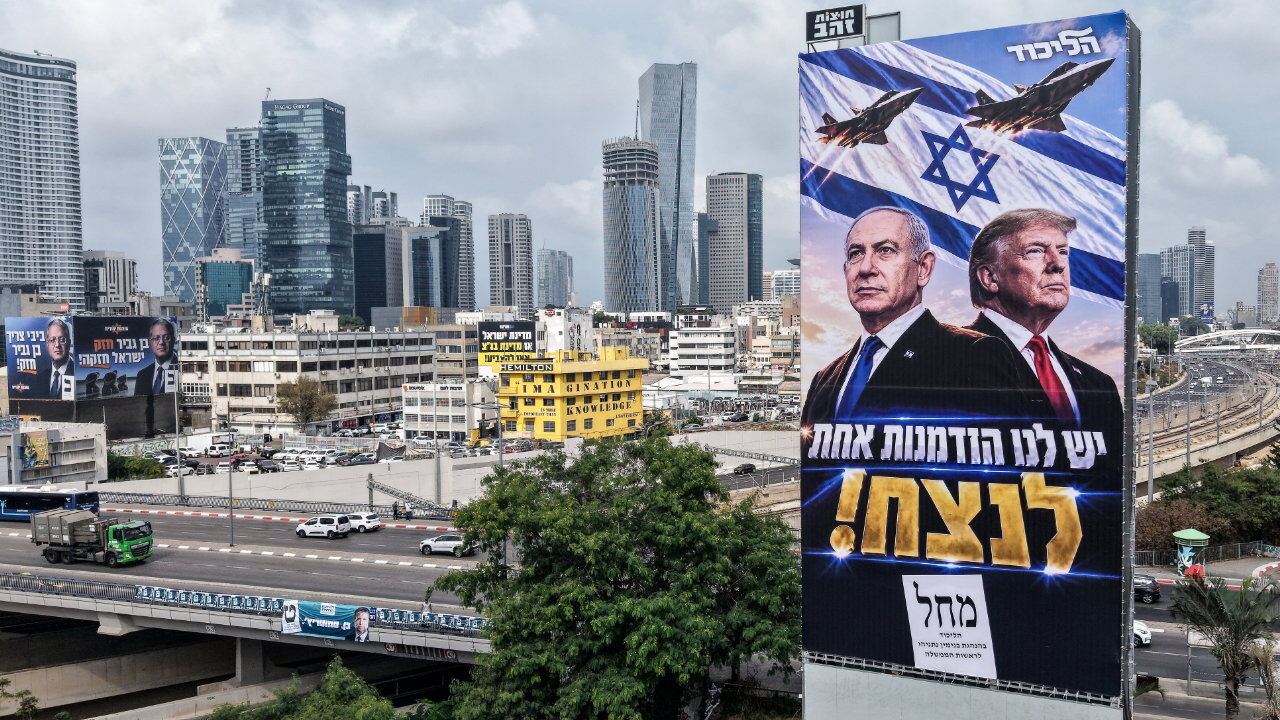
The blame started before voting in America’s midterm elections ended and the extent of the Republicans’ drubbing was revealed.(早在全美中期选举投票结束、共和党惨败的程度尚未揭晓之前,指责就已经开始了。) In an interview on election day Donald Trump said that America would cut off military aid to Israel “at the end of the year”. Israel no longer needs it, he explained; the country is “thriving(繁荣的、蓬勃发展的)”. But there was another reason, the president added: “It’s a bad talking point(政治话题/论点).” J.D. Vance(美国副总统,共和党人), the vice-president, was more direct. On the day after the election, he blamed the war in Iran, and also America’s relationship with Israel, for the Republicans’ defeat.
早在全美中期选举投票结束、共和党惨败的程度尚未揭晓之前,指责就已经开始了。选举日当天,唐纳德·特朗普在接受采访时表示,美国将在“年底”切断对以色列的军事援助。他解释说,以色列不再需要援助,该国正“蓬勃发展”。但总统补充说,还有另一个原因:“这是一个糟糕的政治话题。”副总统J.D.万斯则更为直白。选举次日,他将共和党的败选归咎于伊朗战争以及美国与以色列的关系。
Israel has been falling steadily out of favour in America. Its brutal(残酷的、野蛮的) campaigns in Gaza and Lebanon had already angered voters and politicians on both ends of the political spectrum(政治光谱的两端). The unpopular war with Iran has drawn further attention to the $3.8bn Israel receives annually from America, nearly all of it as subsidies for the purchase of American-made arms and other military supplies.(不得人心的伊朗战争进一步让人们关注到以色列每年从美国获得的38亿美元,其中几乎全部是用于购买美国制造武器及其他军事物资的补贴。)
以色列在美国正逐渐失宠。其在加沙和黎巴嫩的残酷军事行动早已激怒了政治光谱两端的选民和政客。不得人心的伊朗战争进一步让人们关注到以色列每年从美国获得的38亿美元,其中几乎全部是用于购买美国制造武器及其他军事物资的补贴。
America’s alliance with Israel featured in a number of high-profile(备受瞩目的、高调的) contests, including that of Abdul El-Sayed, the senator-elect(当选参议员(尚未就职)) from Michigan who fiercely criticised military aid. Other candidates took pride in not accepting donations from AIPAC(美国以色列公共事务委员会,亲以色列游说团体), the pro-Israel lobby. AIPAC itself said two weeks before the election that it would stop endorsing candidates, a tacit(默许的、心照不宣的) admission of the toxicity(毒性;有害性) of its brand.
美国与以色列的同盟关系成为多场备受瞩目的选战的焦点,包括密歇根州当选参议员阿卜杜勒·埃尔-赛义德的竞选,他猛烈批评军事援助。其他候选人则以不接受亲以色列游说团体AIPAC的捐款为荣。AIPAC本身在选举前两周表示将停止为候选人背书,这等于默认其品牌已具有毒性。