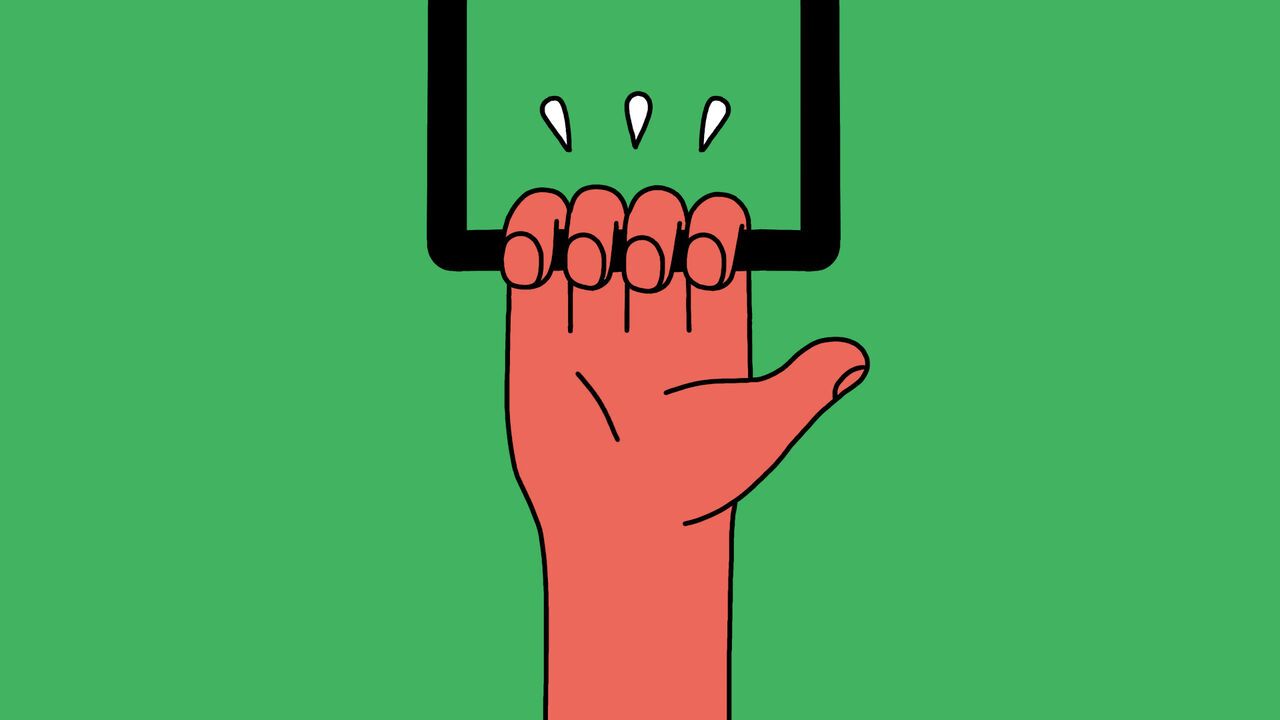
“Get a grip(控制住自己;冷静点)” goes the idiom. Lately, the fashion for exercises including “dead hangs(悬垂(悬挂在单杠上))” and “farmer’s carries(农夫行走(负重行走))”, and for squeezing hand grippers(握力器), suggests that some are taking the advice literally(字面理解这条建议).
习语有云:“Get a grip”(控制住自己)。近来,诸如“悬垂”和“农夫行走”等锻炼方式以及捏握力器的风潮表明,有些人正在字面意义上践行这条建议。
The likely trigger was a headline-grabbing(引人注目的;抢头条的) study in the Lancet in 2015 that associated(将……联系起来) grip strength with longer life. Following 139,691 people in 17 countries for an average of four years, the researchers linked every 5kg decrease in grip strength with a 16% higher risk of death from any cause.(研究人员追踪了17个国家的139,691人,平均随访四年,发现握力每下降5公斤,全因死亡风险就升高16%。) For cardiovascular(心血管的) death, the figure was 17%. Grip strength, they found, was a better predictor(预测指标;预测因素) of both than systolic blood pressure(收缩压).
可能的诱因是2015年《柳叶刀》上一项引人注目的研究,该研究将握力与更长寿联系起来。研究人员追踪了17个国家的139,691人,平均随访四年,发现握力每下降5公斤,全因死亡风险就升高16%。心血管死亡的风险则升高17%。他们发现,握力对这两种死亡的预测能力都优于收缩压。
Alas(唉;可惜), regular grip exercises alone are unlikely to lengthen your life. They may, however, be a good way of monitoring your overall health. Muscles, notes Brian Clark, a physiologist at Ohio University, are “puppets” at the end of a neurological chain of command.(俄亥俄大学生理学家布莱恩·克拉克指出,肌肉是神经指挥链末端的“木偶”。) To generate force, electrical signals must be continuously generated by the brain and transmitted to the muscles by nerves. If any part falters(衰退;失灵;动摇), strength suffers.
唉,单靠定期做握力练习不太可能延长寿命。不过,握力练习或许是监测整体健康的好方法。俄亥俄大学生理学家布莱恩·克拉克指出,肌肉是神经指挥链末端的“木偶”。要产生力量,大脑必须持续发出电信号,再由神经传导至肌肉。只要链条上任何一环失灵,力量就会受损。