Analysts have long struggled to characterize(描述,界定) U.S. President Donald Trump’s foreign policy. Because Trump pointedly(明确地,有针对性地) rejects liberal-internationalist sensibilities, many have associated him with some form of realism, understood as the pursuit of the national interest defined entirely in terms of power. During his first term, after his 2017 National Security Strategy invoked “great-power competition,” the foreign policy community treated the phrase as the decoder ring(解码环,解读工具) by which they could rationalize(合理化,为…找理由) his maneuvers. More recently, many have claimed that, to the contrary, Trump clearly favors a world in which great powers collude(共谋,勾结) to carve up the world into spheres of influence. Throughout, the only constant interpretation has been that Trump has a “transactional” approach to international politics—the “art of the deal(交易的艺术)” as grand strategy.
分析人士长期难以界定美国总统唐纳德·特朗普的外交政策。由于特朗普明确拒绝自由国际主义情怀,许多人将他归入某种形式的现实主义,即完全以权力定义的国家利益追求。在第一任期,他的2017年国家安全战略提出“大国竞争”后,外交政策界将这一短语视为解密其行动逻辑的关键密码。最近,许多人反过来声称,特朗普显然偏好大国共谋瓜分势力范围的世界。自始至终,唯一的恒定解读是特朗普对国际政治采取“交易型”方式——“交易的艺术”即是大战略。
But these assessments all rest on(基于,依赖于) a category error(范畴错误). They begin from the premise that the Trump administration’s primary goal is, as its 2025 National Security Strategy insists, to advance the United States’ “core national interests.” Indeed, U.S. debates about foreign policy, national security, and grand strategy take it for granted that leaders design policy to serve the public good—even if those leaders’ view of the public interest is flawed—rather than to enrich themselves or inflate their personal glory. This is why so many foreign policy analyses argue that the “United States” or “Washington” ought to adopt a particular policy. They assume that the United States has interests that transcend(超越,超出) party and that officials occupy their positions as a public trust(公共信托,公职信托).
但这些判断都基于一个范畴错误。它们的出发点是:特朗普政府的首要目标,正如其2025年国家安全战略所坚称的那样,是推进美国的“核心国家利益”。事实上,美国关于外交政策、国家安全和大战略的辩论都理所当然地认为,领导人制定政策是为了服务于公共福祉——即使这些领导人的公共利益观存在缺陷——而不是为了中饱私囊或提升个人荣光。正因如此,许多外交政策分析认为“美国”或“华盛顿”应该采取某种特定政策。它们假设美国拥有超越党派利益的国家利益,官员们的职位是一种公共信托。
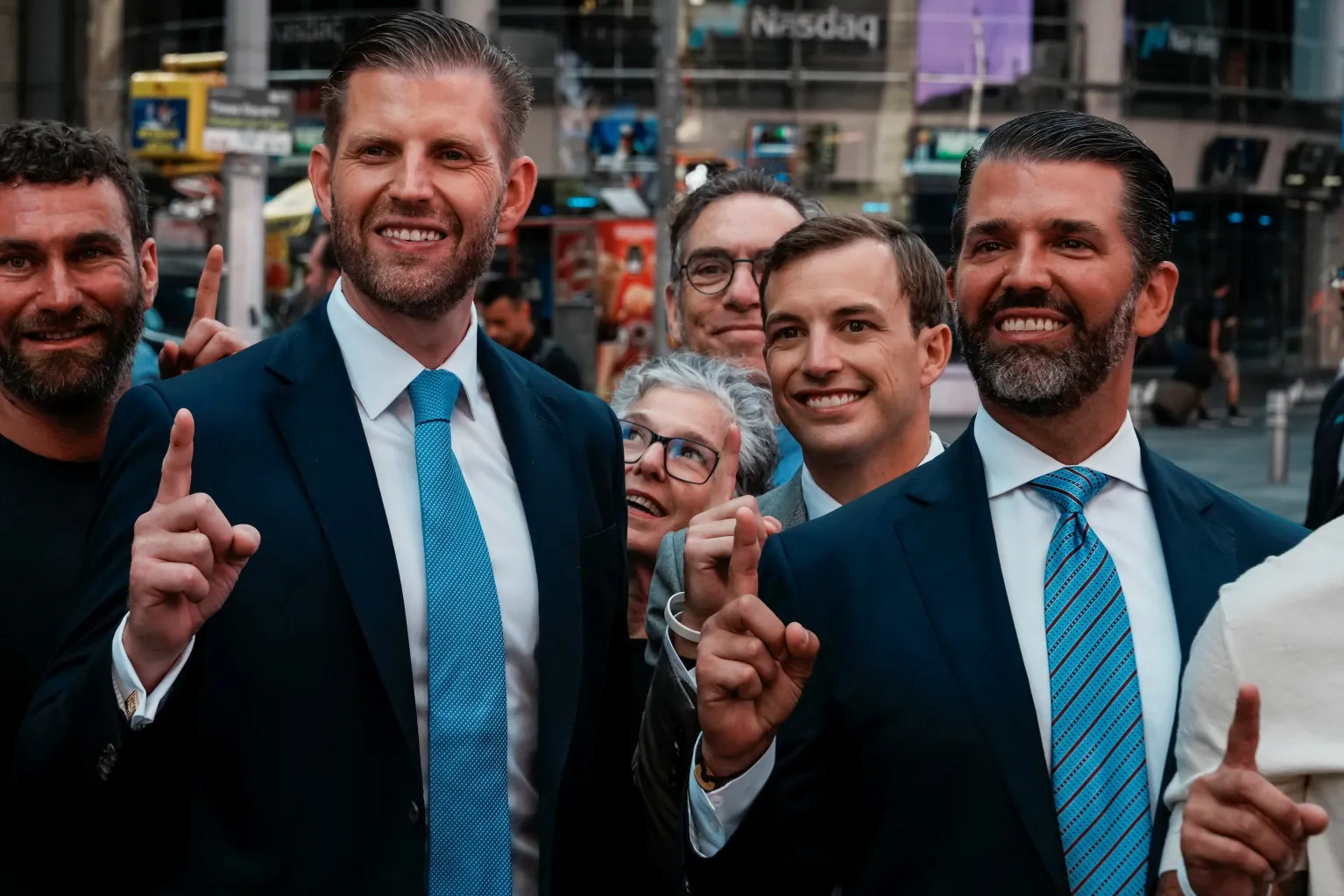
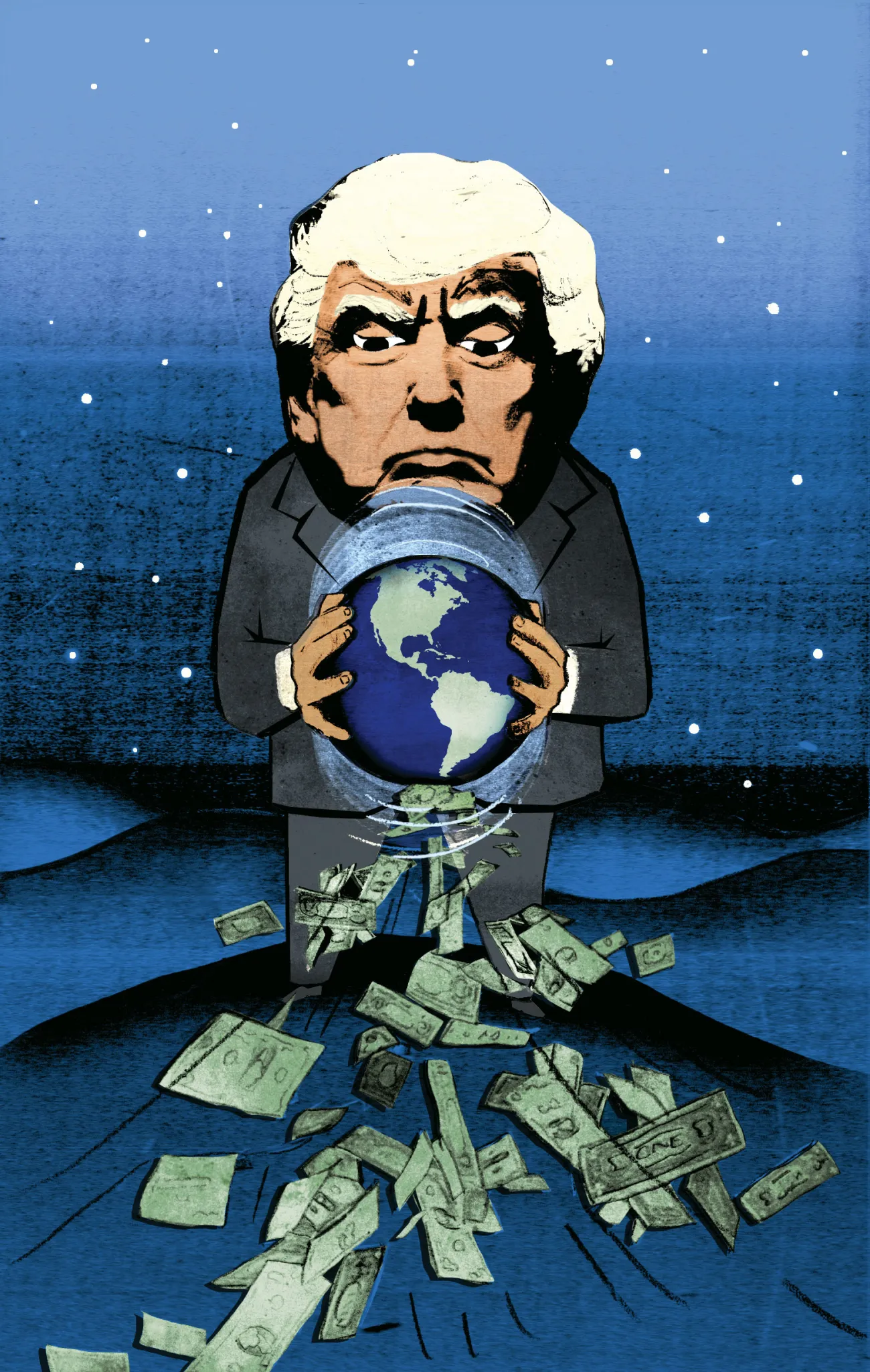
The Trump administration, however, has destroyed this premise. Especially in his second term, Trump has instead wield(使用,挥舞(权力等))ed U.S. foreign policy principally to increase his own wealth, bolster his status, and personally benefit a small circle of his family members, friends, and loyalists. U.S. foreign policy is now largely subordinate to the private interests of the president and his retainer(随从,家臣)s. These interests may, from time to time, align with some plausible understanding of the public good. Much more often, however, the Trump administration invoke(援引,调用)s U.S. national interests to deflect from(转移(注意力/指责)) its self-dealing(自我交易,中饱私囊) by eroding the distinction between its private interests and those of the American people.
然而,特朗普政府已经摧毁了这一前提。尤其是在第二任期,特朗普主要将美国外交政策用作增加自身财富、提升个人地位以及惠及亲属、友人和忠臣的小圈子。美国外交政策如今在很大程度上从属于总统及其随从的私人利益。这些利益有时或许会与某种说得通的公共利益理解相吻合。但更多时候,特朗普政府援引美国国家利益,其目的是通过模糊私人利益与人民利益之间的界限,来转移人们对其中饱私囊的指责。
ROGUE WAVE
逆流巨浪
PACKAGE BOMBS
捆绑炸弹
CONTROLLED DEMOLITION
可控式拆解
BROTHERHOOD OF THIEVES
盗贼兄弟会