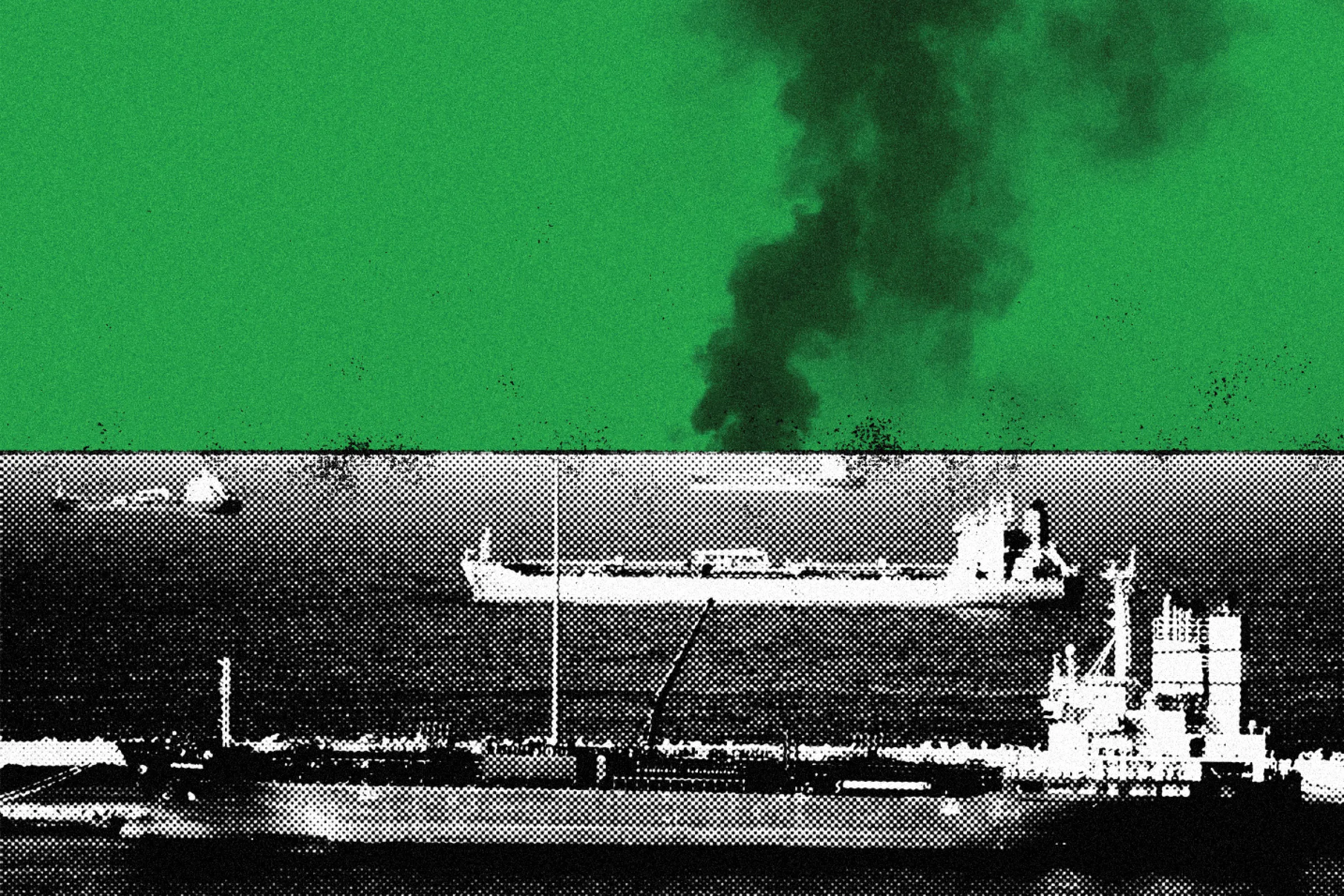
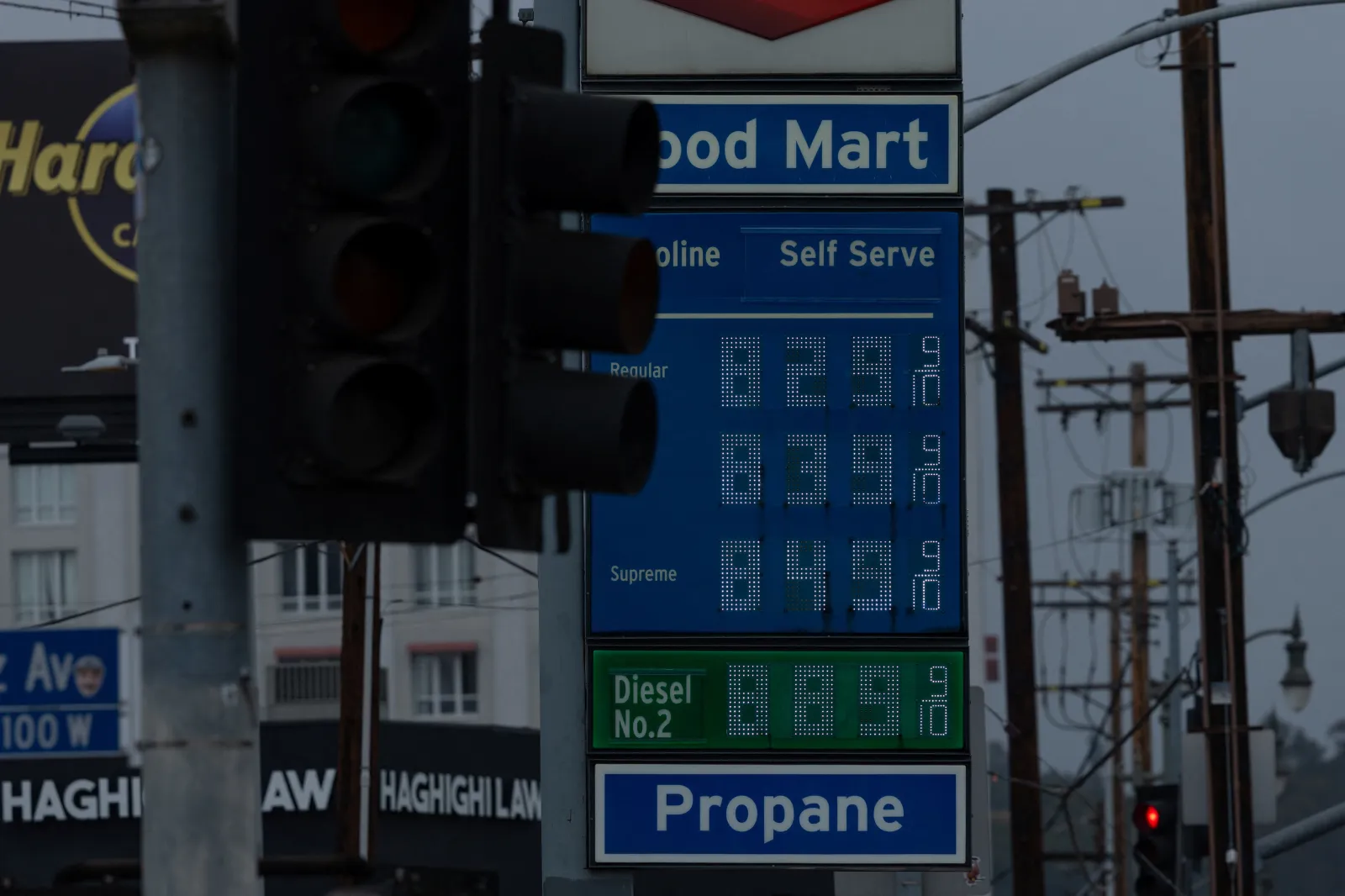
Within days of the initial U.S. and Israeli attack on Iran on February 28, 2026, the world was plunged into an energy crisis. Tehran’s near shuttering(关闭;封锁) of the Strait of Hormuz, through which roughly 20 percent of the world’s oil and liquefied natural gas transit(经过;运输) each day, amounted to(相当于;总计达) the largest disruption of global energy flows in history, according to the International Energy Agency. Within the first three weeks of the conflict, oil prices rose by 55 percent. Gasoline jumped by roughly a dollar a gallon, and heating oil and jet fuel soared even higher. Many countries began to ration fuel, shorten workweeks, and close factories. It quickly became clear that until the strait reopened, prices would continue to climb, boosting inflation and dampening(抑制;减弱) growth.
2026年2月28日,美国和以色列对伊朗发动首次攻击后几天内,世界陷入能源危机。德黑兰近乎封锁了霍尔木兹海峡——每天全球约20%的石油和液化天然气从此经过——根据国际能源署的说法,这是历史上最大规模的全球能源流中断。冲突头三周内,油价上涨55%,汽油每加仑涨幅约1美元,取暖油和航空燃油涨幅更大。许多国家开始限量供油、缩短工作日并关闭工厂。很快人们意识到,在海峡重新开放之前,价格将持续攀升,推高通胀并抑制增长。
This crisis may appear to be unprecedented, but its contours(轮廓;概貌) are familiar. In 1973, Arab members of OPEC embargoed(禁运(动词)) oil exports to countries supporting Israel in the Arab-Israeli war, causing a dramatic price spike(价格飙升) that traumatized(使受创伤) American consumers and contributed to high inflation and slow growth. The 1973 crisis also inspired efforts to avoid another shock. Governments took steps to reduce their reliance on imports, build strategic stocks(战略储备), and pursue greater cooperation and market integration(市场一体化). Over time, policymakers grew more comfortable trusting their countries’ energy security to global markets.
这场危机看似史无前例,但其轮廓却似曾相识。1973年,OPEC中的阿拉伯成员国对阿拉伯-以色列战争中支持以色列的国家实施石油出口禁运,导致价格急剧飙升,给美国消费者造成创伤,并引发高通胀和增长缓慢。1973年危机也激发了避免再次冲击的努力:各国政府采取措施减少对进口的依赖,建立战略储备,并追求更多的合作与市场一体化。随着时间的推移,政策制定者越来越放心地将本国的能源安全托付给全球市场。
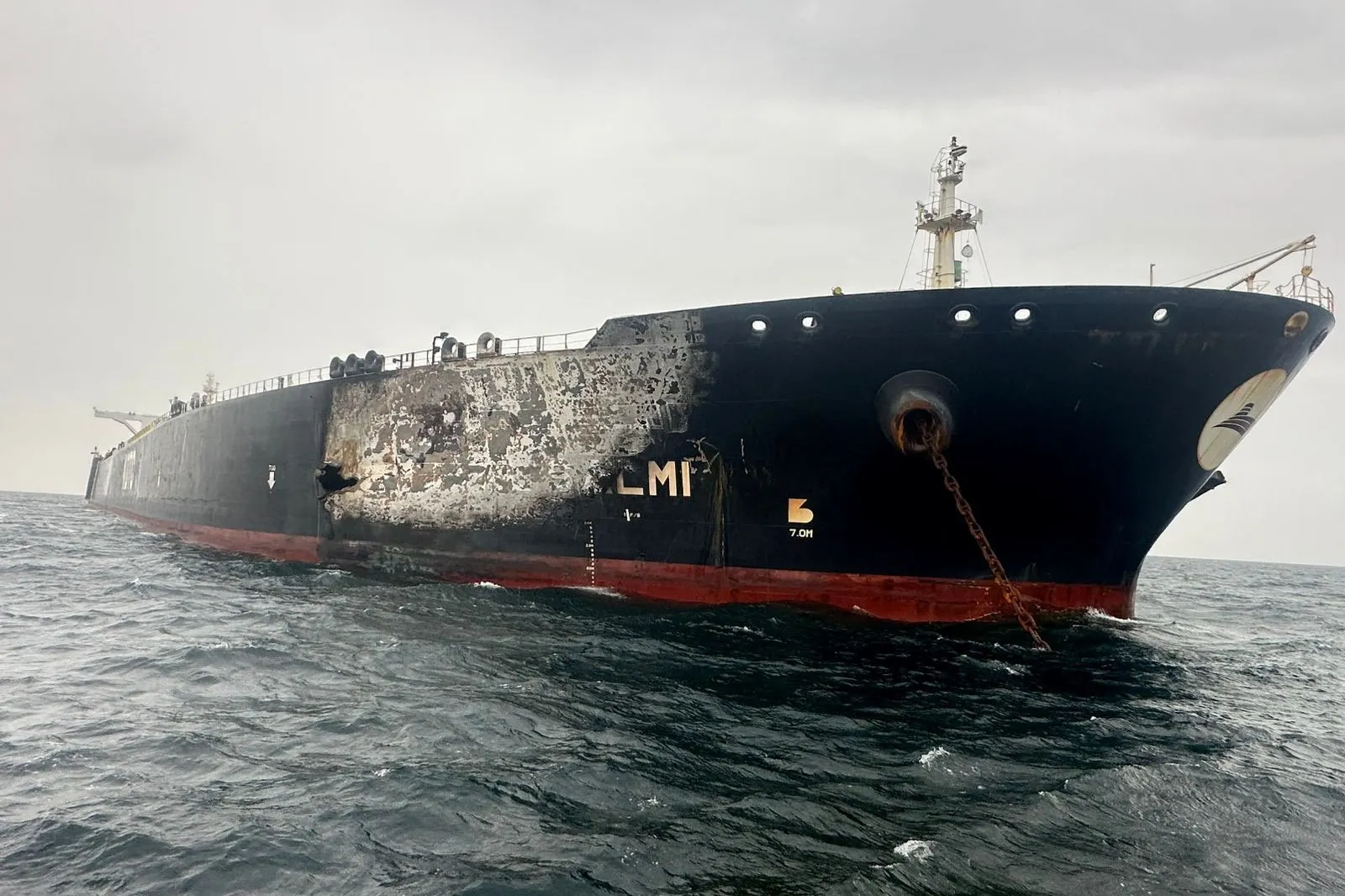
And yet the world never escaped the reality of oil geopolitics(地缘政治). Analysts and officials had warned for decades that the Strait of Hormuz was vulnerable; its closure had been the crisis scenario that everyone most feared. Yet the relative ease and speed with which the entire global economy could be put in jeopardy(使处于危险中) seemed to come as something of a surprise. Even though Iran was badly outmatched(被压倒;不敌) militarily by the United States and Israel, it managed to exert effective control over shipping through the strait. That alone was enough to cause economic turmoil(经济动荡), and subsequent Iranian and Israeli strikes on other key energy installations in the region only exacerbated(加剧;恶化) the crisis.
然而世界从未逃脱石油地缘政治的现实。几十年来分析人士和官员一直警告霍尔木兹海峡的脆弱性;它的关闭一直是所有人最恐惧的危机情景。但全球经济被置于危险之中的相对容易和快速,似乎仍让人有些意外。尽管伊朗在军事上远远不及美国和以色列,它却成功地对经海峡的航运实施了有效控制。仅此一项就足以引发经济动荡,随后伊朗和以色列对该地区其他关键能源设施的打击更是加剧了危机。
BOOM TIMES
繁荣时期
DASHED HOPES
希望破灭
SAFE BEHIND WALLS?
躲在墙后安全吗?
MISSED CONNECTION
错失的联结
STRIKING A BALANCE
寻求平衡