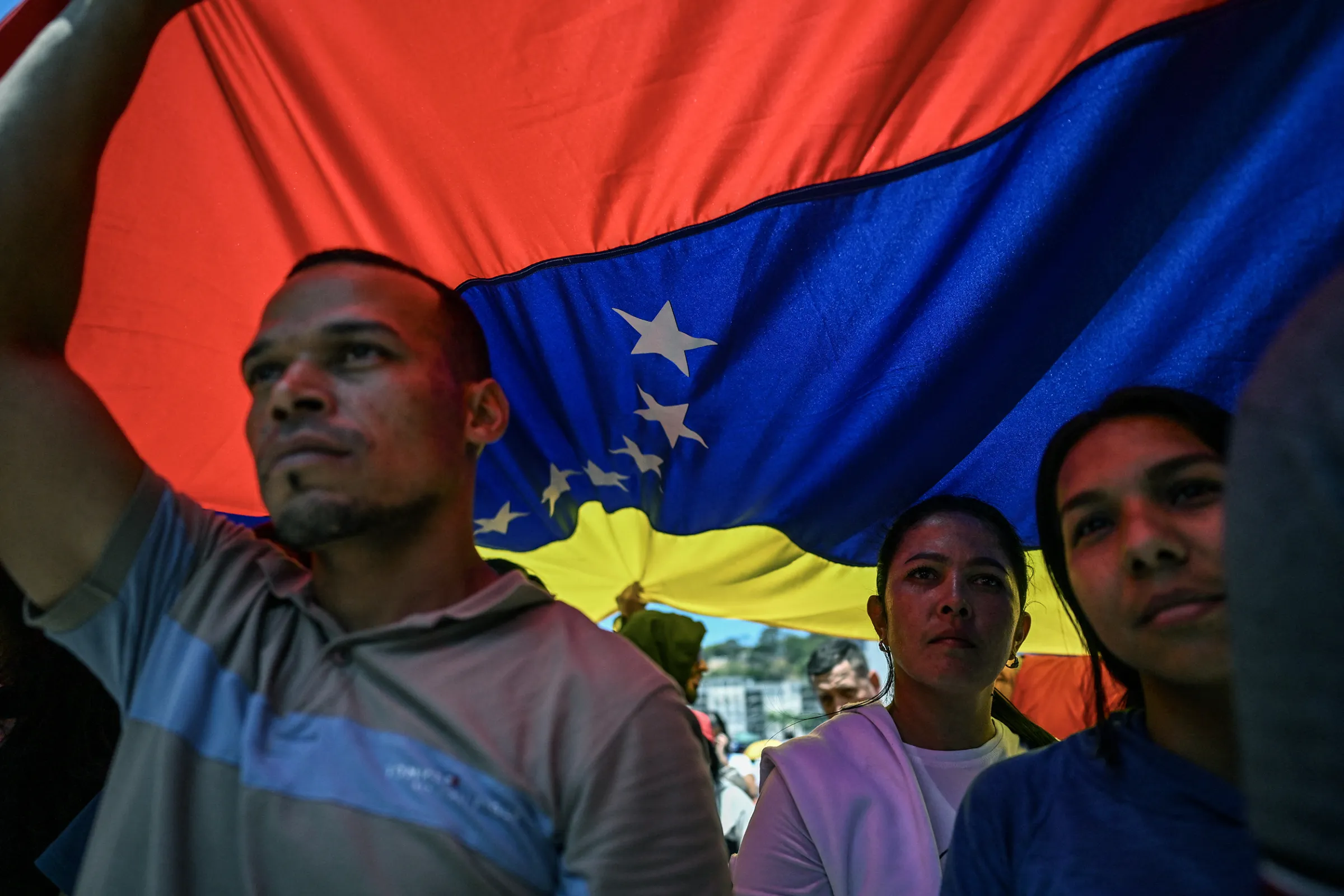
When U.S. forces swooped(突然袭击,猛扑) into Caracas in January to seize President Nicolás Maduro, many Venezuelans inside and outside the country rejoiced. Maduro’s ouster(下台,推翻) seemed to signal the imminent end of a regime that had for years oppressed and immiserated(使贫困,使穷困化) its people. Thanks to bold U.S. action, a government that had rankled(激怒,惹恼) its neighbors and sowed instability in the region now appeared destined to fall.
当美军于1月突袭加拉加斯抓捕总统尼古拉斯·马杜罗时,国内外许多委内瑞拉人欢欣鼓舞。马杜罗的下台似乎预示着这个多年来压迫和掠夺人民的政权即将终结。多亏美国的大胆行动,这个激怒邻国、在该地区制造不稳定的政府如今似乎注定要垮台。
But something peculiar happened. Unusual in the long annals(编年史,历史记录) of U.S. intervention in Latin America, the United States removed the dictator but kept the dictatorship(保留独裁体制). In the past, when Washington decided to intervene militarily to remove a regime, it delivered. Except perhaps for the foiled(挫败的,失败的) 1961 Bay of Pigs invasion of Cuba, U.S. military actions in Latin America catalyzed(催化,促进) change, deposing regimes or defeating foes in the Dominican Republic, Grenada, Guatemala, Nicaragua, Panama, and elsewhere. Democracy did not always follow, but the United States did remove its adversaries. In Venezuela, however, the United States got rid of Maduro but left in place his party and allies. Maduro’s vice president, Delcy Rodríguez, has become the country’s president. Venezuela’s long-suffering opposition now has reason to fear that Washington will do little to advance a meaningful political transition in the country.
但奇怪的事情发生了。在美国干预拉丁美洲的漫长历史中,这是不同寻常的:美国除掉了独裁者,却保留了他的独裁体制。过去,当华盛顿决定以军事干预推翻某个政权时,它都会说到做到。也许除了1961年失败的猪湾入侵古巴之外,美国在拉丁美洲的军事行动催化了变革,推翻了多米尼加共和国、格林纳达、危地马拉、尼加拉瓜、巴拿马等地的政权或击败了敌人。民主并不总是随之而来,但美国确实除掉了其对手。然而,在委内瑞拉,美国摆脱了马杜罗,却留下他的政党和盟友。马杜罗的副总统德尔西·罗德里格斯成为了该国总统。长期受苦的委内瑞拉反对派现在有理由担心华盛顿在推动有意义政治过渡方面不会有何作为。
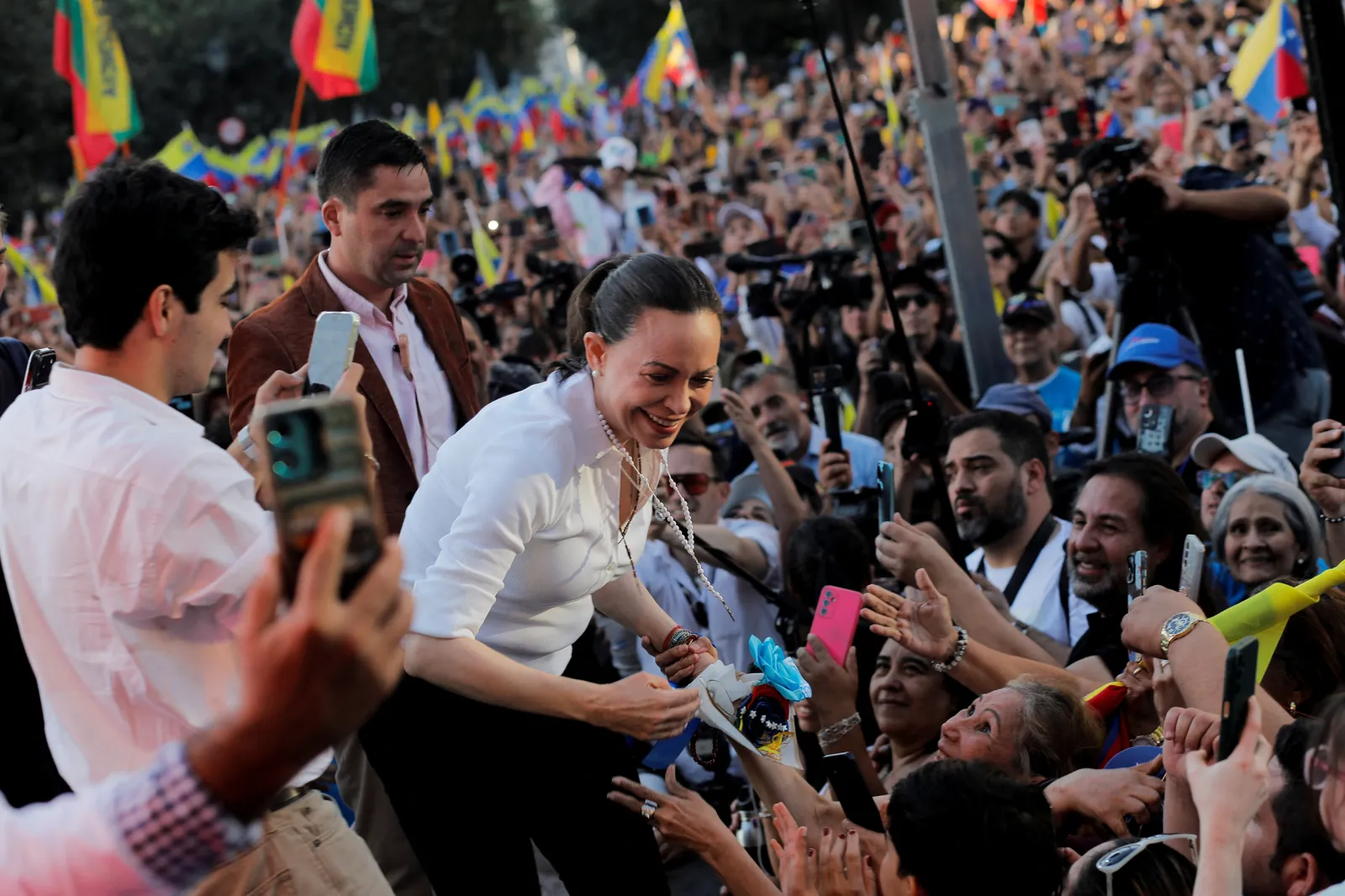
U.S. President Donald Trump is in no hurry to dislodge(逐出,赶走) the old order now that Venezuela under Rodríguez is accommodating(迎合,顺从) Washington’s economic interests. U.S. oil companies have received licenses to resume operations in the resource-rich country, and according to the White House, the United States has already received tens of millions of barrels of Venezuelan oil. “We have a great situation going over there, with a wonderful president . . . Delcy,” Trump said in March. “And she is doing a great job, and they are all doing a good job.” He also welcomed back to the White House that month the Venezuelan opposition leader María Corina Machado, who won the Nobel Peace Prize in 2025. She had come to seek clarity about Trump’s plans for democratization and a political transition in Venezuela; in January, she had bestowed on(赠予,授予) Trump her Nobel medal—an award he has publicly craved(渴望) for years. But in March, Trump and U.S. Secretary of State Marco Rubio offered Machado little in the way of assurances, advising her not to return to Venezuela for the time being.
美国总统唐纳德·特朗普并不急于推翻旧秩序,因为现在罗德里格斯治下的委内瑞拉正在迎合华盛顿的经济利益。美国石油公司已获准在这个资源丰富的国家恢复运营,据白宫称,美国已经收到了数千万桶委内瑞拉石油。特朗普在三月份说:“我们在那边有一个很好的局面,有一位出色的总统……德尔西。她做得很好,大家都做得很好。”同月,他还欢迎委内瑞拉反对派领袖玛丽亚·科里纳·马查多返回白宫。马查多于2025年获得诺贝尔和平奖,她来是为了澄清特朗普在委内瑞拉民主化和政治过渡方面的计划;在一月份,她把自己的诺贝尔奖章赠给了特朗普——这是特朗普多年来公开渴望的一个奖项。但三月份,特朗普和美国国务卿马可·鲁比奥没有给马查多多少保证,反而建议她暂时不要返回委内瑞拉。
PERESTROIKA WITH NO GLASNOST
只有改革,没有公开
GRADUALLY, NOT SUDDENLY
渐进而非突然
MAGICAL THINKING
魔法思维