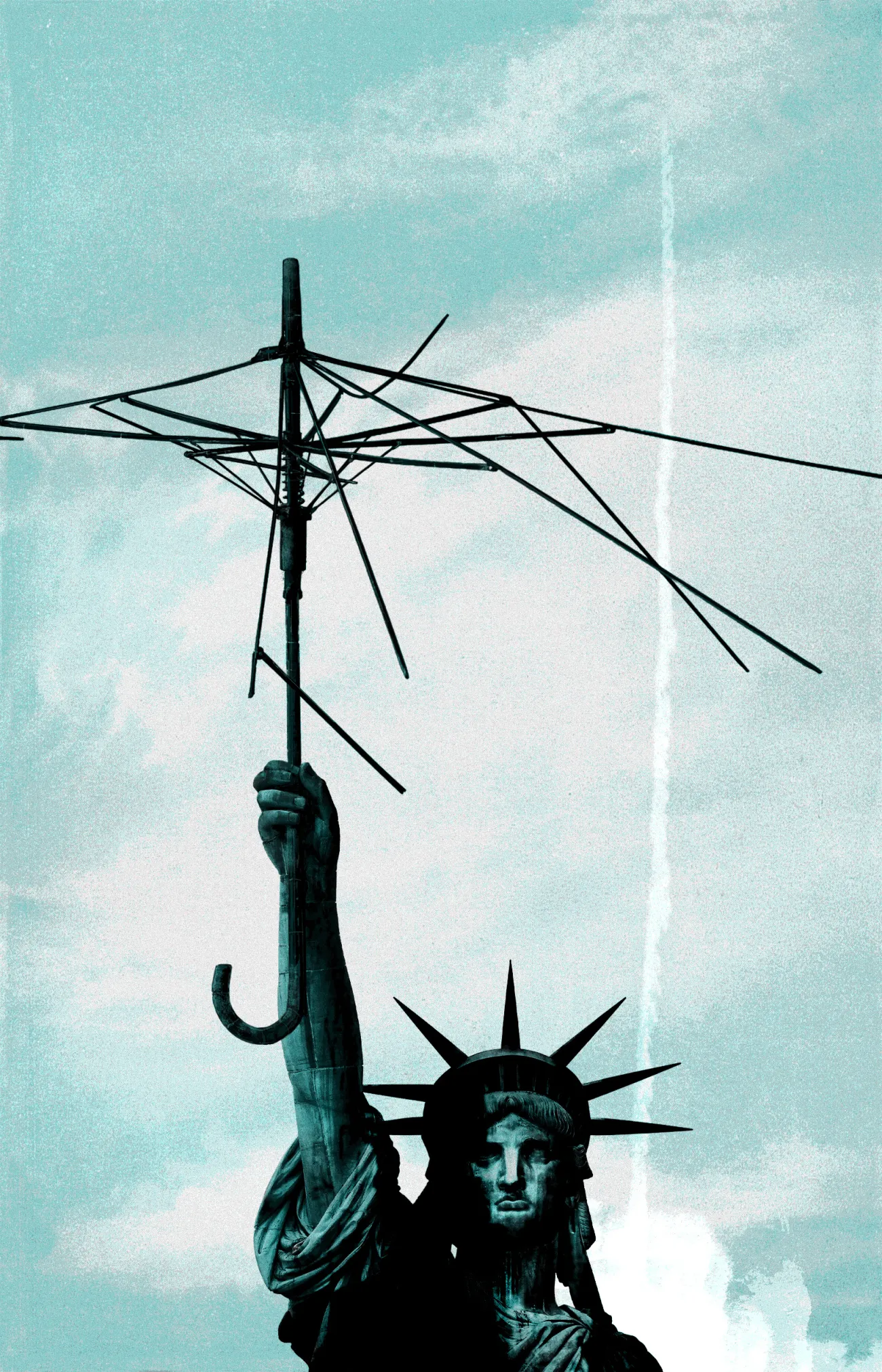
For decades, American allies in Asia and Europe have relied on U.S. extended nuclear deterrence(延伸核威慑) for their safety. They forswore(发誓放弃) acquiring their own nuclear weapons, agreeing instead to live under the protection of(生活在……保护之下) the United States’ nuclear umbrella. This arrangement worked during the Cold War because the stakes(赌注) of that competition were so high that the United States could credibly—if just barely—say that it would wage nuclear war, even at catastrophic risk to itself, to prevent the conquest of its allies.(美国即使勉为其难,也能令人信服地声称,为了阻止盟友被征服,它愿意发动核战争,即使自身面临灾难性风险。)
几十年来,亚洲和欧洲的美国盟友一直依赖美国的延伸核威慑来保障自身安全。他们放弃了获取本国核武器,转而同意生活在美国的核保护伞下。这种安排在冷战期间行之有效,因为竞争赌注极高,美国即使勉为其难,也能令人信服地声称,为了阻止盟友被征服,它愿意发动核战争,即使自身面临灾难性风险。
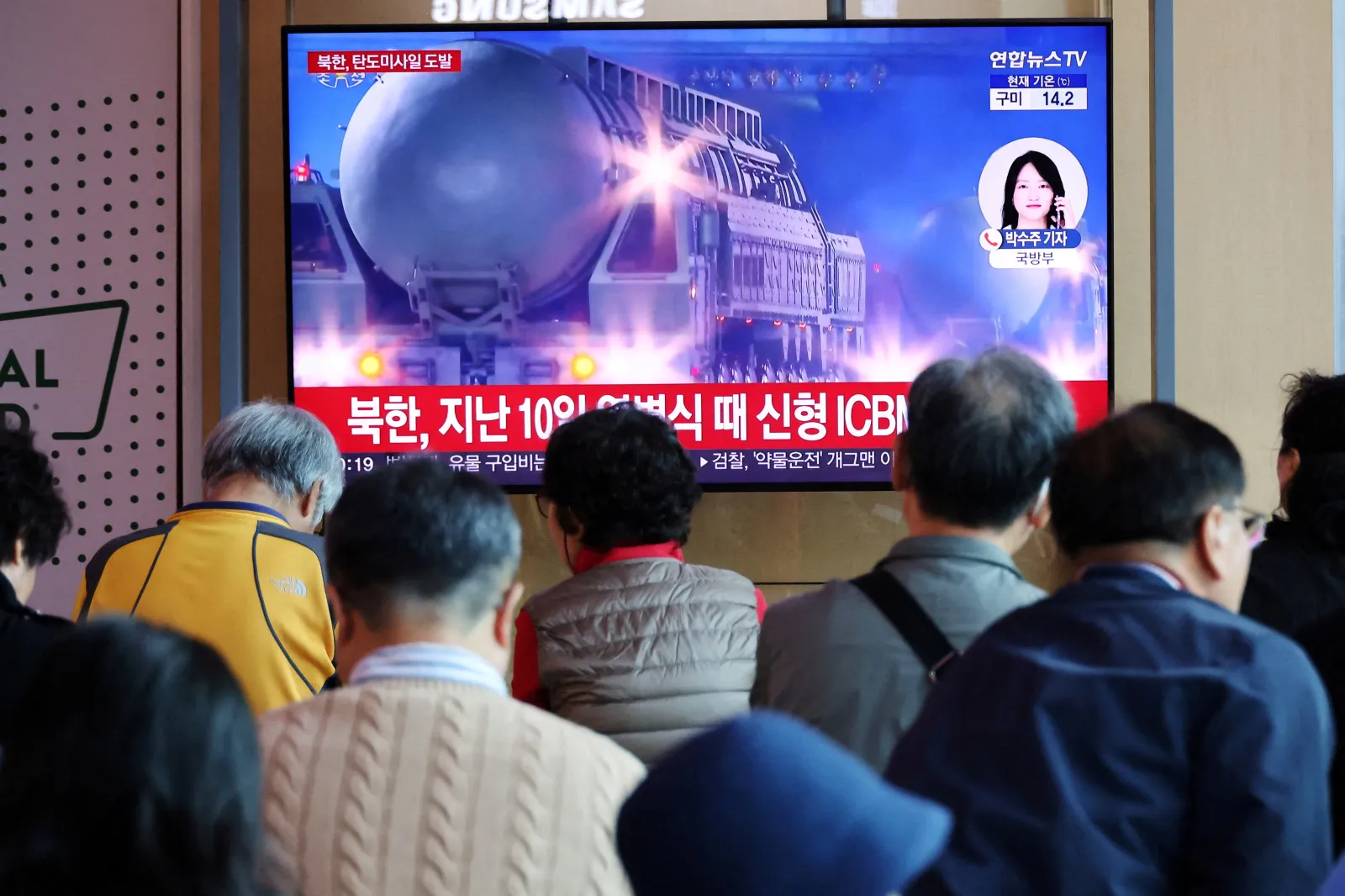
But the world that created the U.S. extended deterrence system is long gone(早已消失). The United States retains important interests in Europe, but Russia’s threat is far more limited than when the Soviet Union was poised(准备就绪) to conquer much of Europe and Asia. A war today would be about the precise boundaries(精确边界) of Moscow’s influence in eastern Europe, not the global balance of power. Similarly, the Korean Peninsula was once a battleground(战场) for rival Cold War blocs; today, that conflict is largely local, with Pyongyang desperately(拼命地) seeking to hold on to(紧紧抓住) its power. And the Trump administration’s view that the purpose of alliances is first and foremost(首要的是) to enhance the United States’ core national interests is at odds with promises to jeopardize(危及) American cities to defend allies. In a world in which wars are largely regional and Washington is pulling back, it strains credulity to believe that the United States would wage nuclear war for faraway allies.(很难相信美国会为了遥远的盟友发动核战争。)
但是,造就美国延伸威慑体系的那个世界早已不复存在。美国在欧洲保留着重要利益,但俄罗斯的威胁远比苏联准备征服欧亚大片土地时要有限得多。今天的战争将围绕莫斯科在东欧影响力的精确边界展开,而非全球力量平衡。同样,朝鲜半岛曾是冷战对立集团的战场;今天,冲突基本上局部化了,平壤拼命想保住政权。而特朗普政府认为联盟的首要目的是增进美国核心国家利益,这一观点与为保卫盟友而危及美国城市的承诺相矛盾。在一个战争基本区域化、美国正在回缩的世界里,很难相信美国会为了遥远的盟友发动核战争。
U.S. allies are thus increasingly worried that the extended deterrence system is now a bluff(虚张声势). Their fears are justified. Leaders in Latvia, Poland, and South Korea cannot be confident that the United States would risk its own destruction for their safety. Those in North Korea and Russia may be drawing the same conclusion(得出同样结论). If Washington’s nuclear commitments are no longer credible, U.S. allies need new arrangements to ensure their most critical security needs(最关键的安保需求).
因此,美国盟友越来越担心延伸威慑体系现在是在虚张声势。他们的担忧是有道理的。拉脱维亚、波兰和韩国的领导人无法确信美国会为了他们的安全而冒自身毁灭的风险。朝鲜和俄罗斯的领导人可能也得出了同样的结论。如果华盛顿的核承诺不再可信,美国盟友就需要新的安排来确保他们最关键的安保需求。
CREDIBLE ARRANGEMENTS
可信的安排
SEOUL FLYING SOLO
首尔单飞
SPARE KEYS
备用钥匙
LIKE IT OR NOT
不管愿意与否