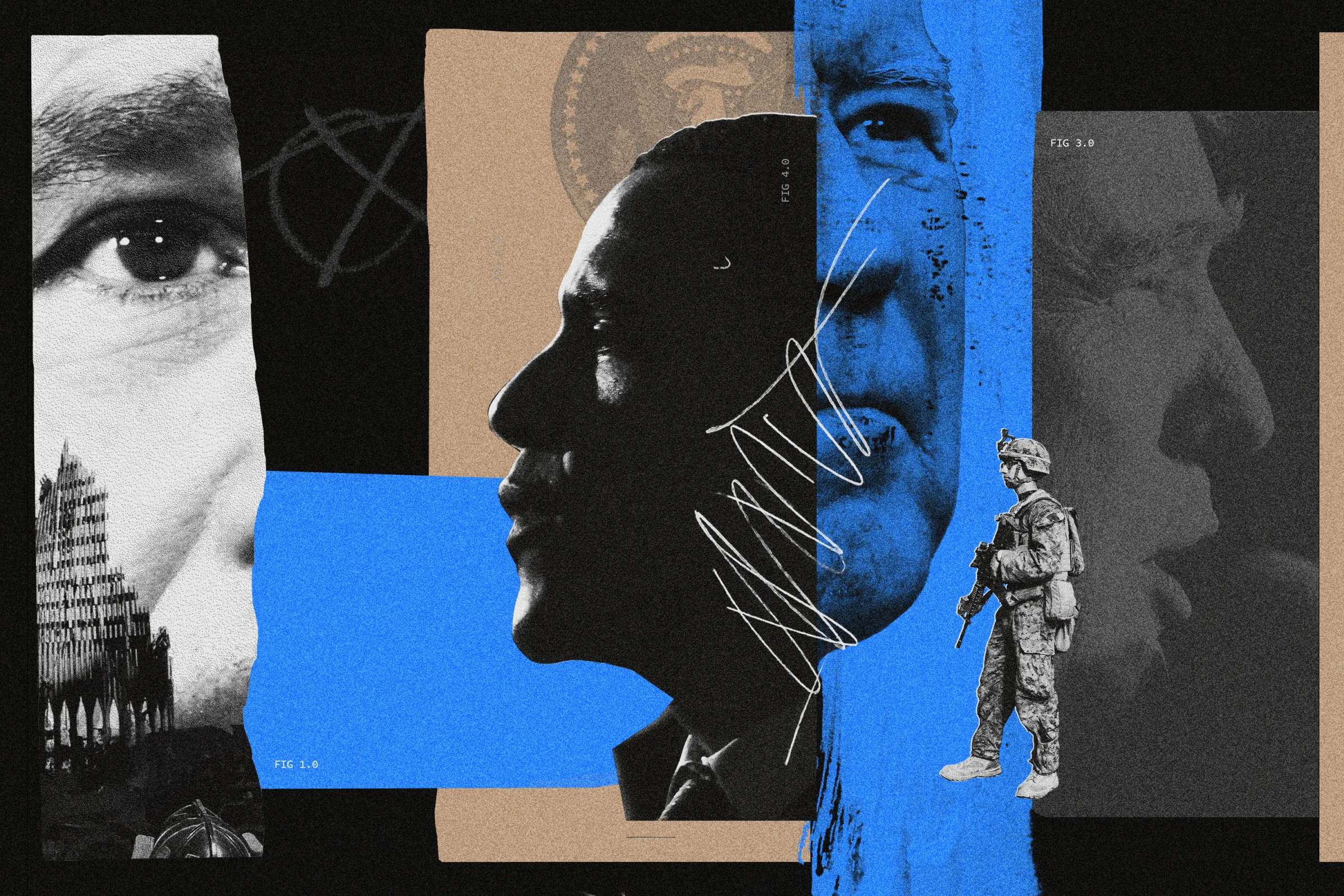
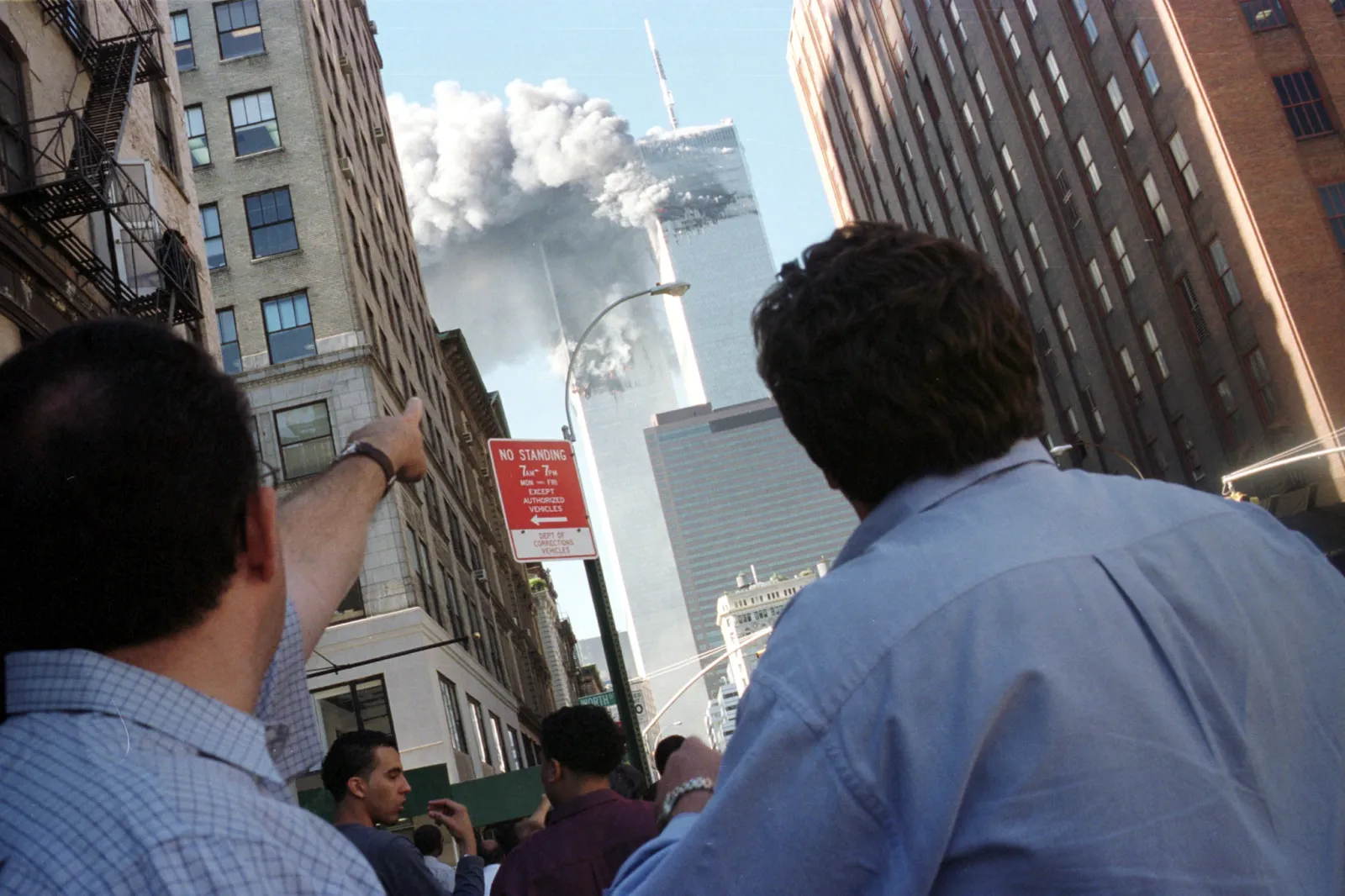
For anyone under 30 years old, it must be difficult to fully appreciate the fear that grip(紧握;强烈影响)ped the United States after September 11, 2001. On that terrible day, millions of Americans witnessed airplanes flying into buildings, people jumping off skyscrapers, and the Twin Towers collapsing with thousands of innocents inside. The months and years that followed saw deadly anthrax attacks; attempted bombings of airliners with explosives hidden in shoes, underwear, and soft drink containers; terrorist atrocities in Bali, Istanbul, Jakarta, London, Madrid, Mumbai, and elsewhere; the use of vehicles to plow into(猛撞,冲入) pedestrians; and a regular stream of shootings and stabbings. For much of the decade that followed 9/11, the question for most Americans was not if, but when, the next major terrorist attack on American soil would take place.(在9·11事件后的十年里,对大多数美国人来说,问题不是下一次重大恐怖袭击会不会发生,而是何时发生。)
对于任何30岁以下的人来说,一定很难完全体会2001年9月11日之后笼罩美国的恐惧。在那个可怕的日子里,数百万美国人目睹了飞机撞入大楼、人们从摩天大楼跳下、双子塔倒塌,塔内还有数千名无辜者。随后的数月和数年里,发生了致命的炭疽袭击;企图用藏在鞋子、内裤和软饮料容器中的炸药炸毁客机的行动;在巴厘岛、伊斯坦布尔、雅加达、伦敦、马德里、孟买和其他地方发生的恐怖暴行;用车辆冲撞行人的事件;以及接连不断的枪击和持刀伤人事件。在9·11事件之后的大多数十年里,对大多数美国人来说,问题不是下一次针对美国本土的重大恐怖袭击会不会发生,而是何时发生。
Peter Bergen’s All the Presidents’ Wars chronicle(记录,编年史)s the fateful(重大的,决定命运的) decisions and events that were shaped by those fears. The terrorists hijack(劫持;操控)ed not just airplanes but also the direction of U.S. foreign policy. Disavowing the need for Washington to be the world’s policeman, President George W. Bush was elected in 2000 on a platform of conducting what he called a “humble” foreign policy, his realism summed up by Condoleezza Rice, his national security adviser: “We don’t need to have the 82nd Airborne escorting kids to kindergarten.”(布什否定了美国充当世界警察的必要性,在2000年以“谦逊”外交政策纲领当选,其现实主义被赖斯概括为“不需要空降师护送孩子上幼儿园”。) Yet by 2003, that very division found itself not escorting kids but spearhead(带头,先锋)ing an invasion of Iraq designed to transform and democratize the entire Middle East. Singularly focused on the need to prevent another 9/11, Bush’s modest approach to world affairs morphed into the so-called global war on terror that became the primary paradigm(范式,模式) for U.S. foreign policy, akin to(类似于,与……相似) the role of the Cold War from 1947 until 1989.
彼得·伯根的《所有总统的战争》记录了那些由恐惧所塑造的重大决策和事件。恐怖分子劫持的不仅是飞机,还有美国外交政策的方向。乔治·W·布什总统否定了华盛顿充当世界警察的必要性,他在2000年当选时提出的纲领是推行他所称的“谦逊”外交政策,他的现实主义由国家安全顾问康多莉扎·赖斯概括为:“我们不需要让第82空降师护送孩子上幼儿园。”然而到2003年,那个师发现自己不是在护送孩子,而是带头入侵伊拉克,旨在改造整个中东并使其民主化。布什对世界事务的温和态度,由于一心专注于防止另一次9·11事件,演变成了所谓的全球反恐战争,成为美国外交政策的主要范式,类似于1947年至1989年冷战所扮演的角色。
Bush launched the war on terror, but he was hardly the last president to wage it. Barack Obama, although skeptical of U.S. military intervention and elected in part because of his opposition to the Iraq war, found himself not just fighting but expanding the war in Afghanistan—where between 2009 and 2012 he ordered a surge of nearly 50,000 additional U.S. troops (bringing the total to around 100,000)—and turning lethal drone warfare from a novel tactic into a routine tool.(奥巴马虽对军事干预持怀疑态度,却发现自己不仅打仗,还扩大了阿富汗战争,并让无人机战争常态化。) In May 2011, U.S. special forces finally killed Osama bin Laden, the architect of 9/11, but the war on terror was far from over(远未结束). Three years later, the Islamic State in Iraq and Syria, also known as ISIS(伊拉克和叙利亚伊斯兰国,极端恐怖组织), a group that Obama had initially disparage(贬低,轻视)d as a terrorist “JV team,” declared a “caliphate(哈里发国,伊斯兰政教合一国家)” and waged a savage campaign of killing, ethnic cleansing, kidnapping, and rape—leading to another multiyear U.S.-led military intervention in the region.
布什发动了反恐战争,但他远非最后一位发动这场战争的总统。巴拉克·奥巴马虽然对美国军事干预持怀疑态度,并且部分因反对伊拉克战争而当选,但他发现自己不仅是在打阿富汗战争,而且还在扩大战争——在2009年至2012年间,他下令增派近5万名美军(使总数达到约10万)——并将致命的无人机战争从一种新战术转变为常规工具。2011年5月,美国特种部队终于击毙了9·11事件的策划者奥萨马·本·拉登,但反恐战争远未结束。三年后,伊拉克和叙利亚的伊斯兰国(又称ISIS),一个奥巴马最初贬称为恐怖分子“二流球队”的组织,宣布建立“哈里发国”,并发动了杀戮、种族清洗、绑架和强奸的野蛮行动——导致美国在该地区又进行了多年的军事干预。
THE PRICE OF VICTORY
胜利的代价
CATEGORY ERROR
范畴错误