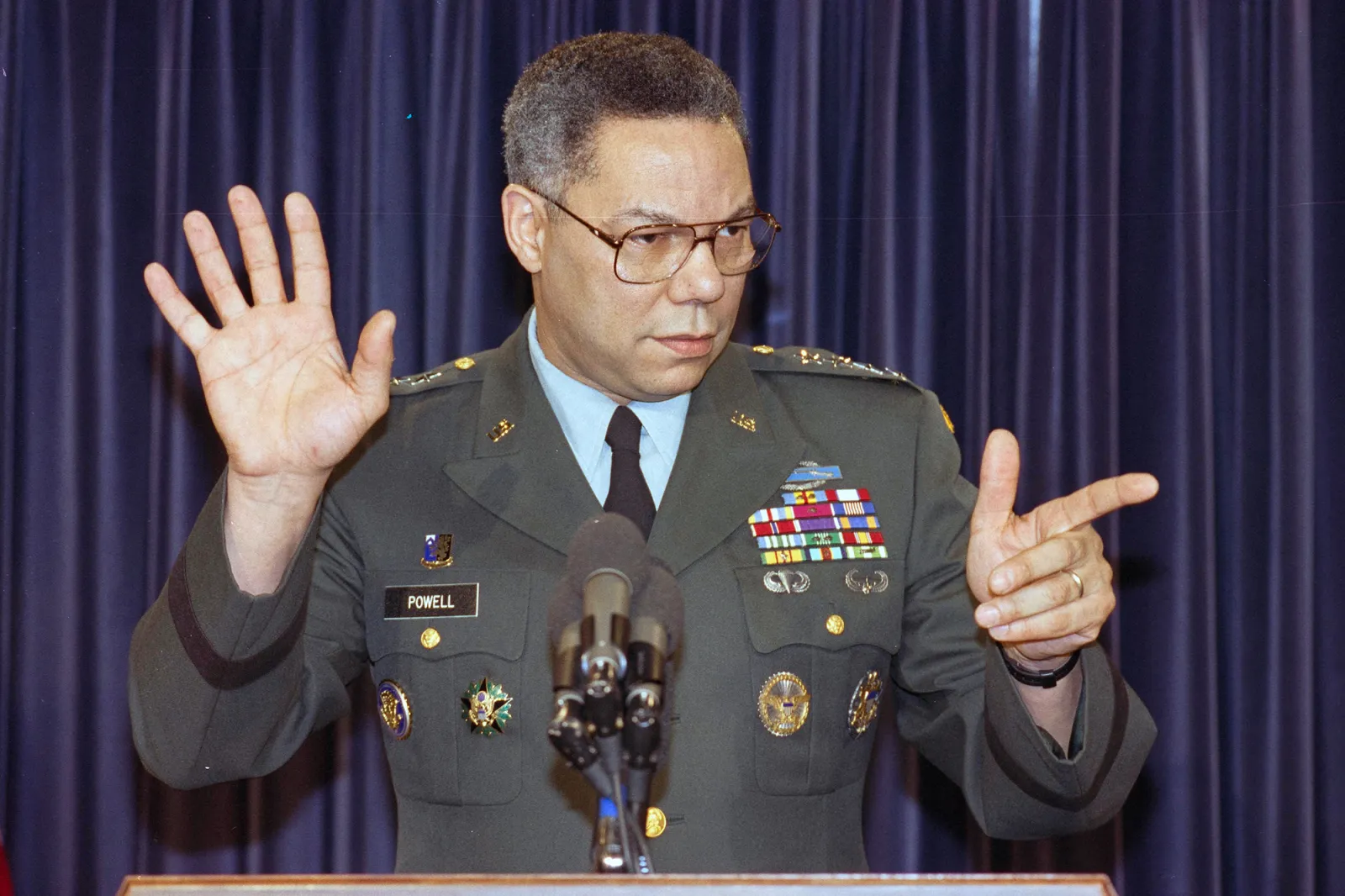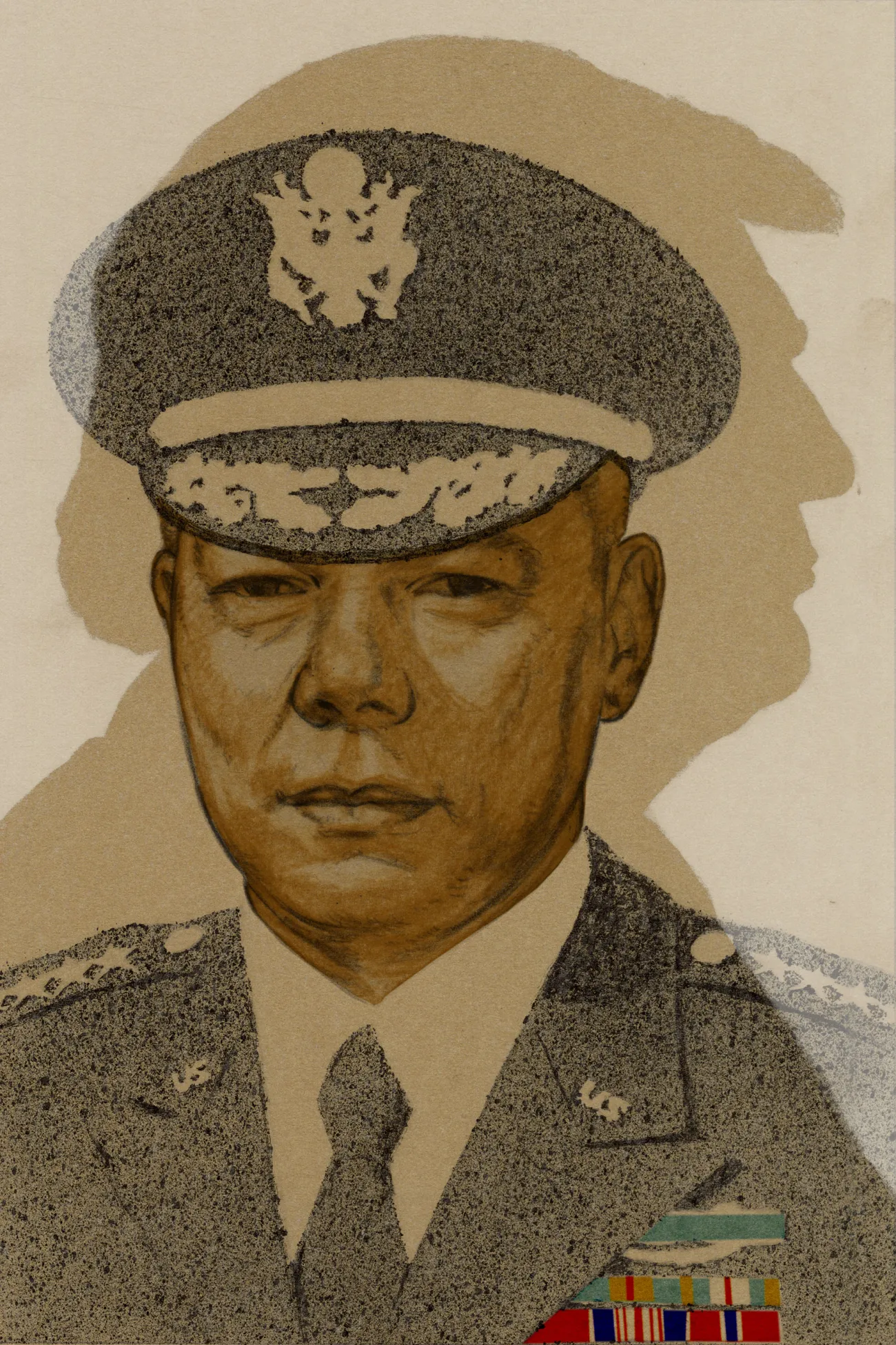
In foreign policy, good ideas often emerge from(从……中产生) bad decisions. Such was the case with the Powell Doctrine, a term typically associated with the American triumph over Iraq in the 1990–91 Gulf War. The doctrine(主义,信条) did not, in fact, originate with its namesake(同名者), Colin Powell, who as chairman of the Joint Chiefs of Staff helped make sure the United States went into the war with a coherent(连贯的,一致的) military strategy. And the doctrine’s roots lay not in a success in Iraq, but in a disaster in Lebanon.
在外交政策中,好的想法往往源于糟糕的决定。鲍威尔主义就是如此,这一术语通常与1990-91年海湾战争中美国对伊拉克的胜利联系在一起。事实上,该主义并非源自其同名者科林·鲍威尔——他作为参谋长联席会议主席,帮助确保美国以连贯的军事战略投入战争。而且该主义的根源不在于伊拉克的成功,而在于黎巴嫩的灾难。
In 1982, after Israel invaded the civil war–torn country, a rift(裂痕,分歧) opened inside the Reagan administration. On one side were Secretary of State George Shultz and civilian officials on the National Security Council, who backed the idea of contributing U.S. troops to a multinational force that would stabilize Lebanon. On the other side were Defense Secretary Caspar Weinberger and the generals on the Joint Chiefs of Staff, who were far less enthusiastic, fearing that an ill-defined mission would drag the United States into an escalatory(升级的) spiral not unlike the one that had proved calamitous(灾难性的) in Vietnam. The hawks(鹰派) won the debate, casting dovish(鸽派的) concerns as reflecting a lack of faith in American military power that President Ronald Reagan had himself disparaged as “Vietnam syndrome(越南战争后遗症).”
1982年,以色列入侵这个饱受内战蹂躏的国家后,里根政府内部出现了裂痕。一方是国务卿乔治·舒尔茨和国家安全委员会的文职官员,他们支持向一支多国部队派遣美军以稳定黎巴嫩的想法。另一方是国防部长卡斯帕·温伯格和参谋长联席会议的将军们,他们远没有那么热情,担心一项定义不明的任务会把美国拖入升级的螺旋,与在越南被证明是灾难性的情形如出一辙。鹰派赢得了辩论,将鸽派的担忧描绘成对美国军事力量缺乏信心,而罗纳德·里根总统本人曾将这种心态贬称为“越南综合征”。
But it didn’t take long for Weinberger’s fears to be realized. Far from stabilizing Lebanon, the multinational forces soon became targets and combatants(参战者) in the widening war. In October 1983, militants(武装分子) linked to Hezbollah used truck bombs to attack U.S. service members in a barracks at the Beirut airport, killing 241 of them. Inside the administration, the two camps once again split. This time, the doves prevailed(占上风). The United States refrained from(克制,避免) hitting back against Hezbollah and its Iranian and Syrian sponsors, and in February 1984, Reagan withdrew American forces altogether.
但温伯格的担忧很快成为现实。多国部队非但没有稳定黎巴嫩,反而很快成为不断扩大的战争中的目标和参战方。1983年10月,与真主党有关的武装分子用卡车炸弹袭击了贝鲁特机场美军军营,造成241名美军死亡。政府内部两派再次分裂。这一次,鸽派占了上风。美国没有对真主党及其伊朗和叙利亚支持者进行报复,1984年2月,里根完全撤出了美军。
WHAT’S THIS WAR GOOD FOR?
这场战争有何好处?

TELL ME HOW THIS ENDS
告诉我这如何结束
CONGRESSIONAL IRRESOLUTION
国会的优柔寡断