Few technologies in history have matched the potential of artificial intelligence to transform the economic landscape in which they emerged. Deployed broadly and effectively, AI can make workers more efficient, enable more dynamic entrepreneurship, and lift economic growth, all of which could be necessary bulwarks(防线;堡垒) against the powerful economic headwinds(经济逆风) brought on by aging populations and mounting public debt. AI can also make possible revolutionary new advances in science and medicine and democratize(使大众化;使普及) access to knowledge once reserved for the select few(少数精英;被选中的少数人).
历史上很少有技术能像人工智能那样,具备改变其诞生时所处经济格局的潜力。如果得到广泛而有效的应用,人工智能可以提高工人效率、激发更有活力的创业精神、拉动经济增长——面对人口老龄化和公共债务攀升带来的强劲经济逆风,这些都可能成为必要的防线。人工智能还能推动科学与医学取得革命性新突破,并让曾经只属于少数人的知识走向大众。
But the acceleration of AI also carries risks. It could be applied in ways that displace(取代;迫使离开) workers, disrupt how students learn, create new bioweapons and cyberweapons, and strain(使紧张;给……造成压力) current supplies of energy, water, and land. Compounding these challenges is a mismatch: the benefits of this new technology may take a long time to become visible and widespread. As with earlier transformations, such as the Industrial Revolution, people are likely to experience the disruptions that come from adopting AI before they feel its benefits. And whereas users directly feel the effects of tools like chatbots, some benefits that AI is indirectly making possible, including more accurate predictions of natural disasters and improved medical diagnoses, may not be perceived as owing to the technology at all.(而且,虽然用户能直接感受到聊天机器人等工具的影响,但人工智能间接促成的一些好处——包括更准确地预测自然灾害和改进医学诊断——可能根本不会被人们归功于这项技术。)
但人工智能的加速发展也伴随着风险。它可能被用于取代工人、扰乱学生的学习方式、制造新型生物武器和网络武器,并给当前的能源、水和土地供应带来压力。让这些挑战雪上加霜的是一种错配:这项新技术的好处可能需要很长时间才能显现并普及。与工业革命等早期变革一样,人们很可能先经历采用人工智能带来的冲击,之后才感受到它的好处。而且,虽然用户能直接感受到聊天机器人等工具的影响,但人工智能间接促成的一些好处——包括更准确地预测自然灾害和改进医学诊断——可能根本不会被人们归功于这项技术。
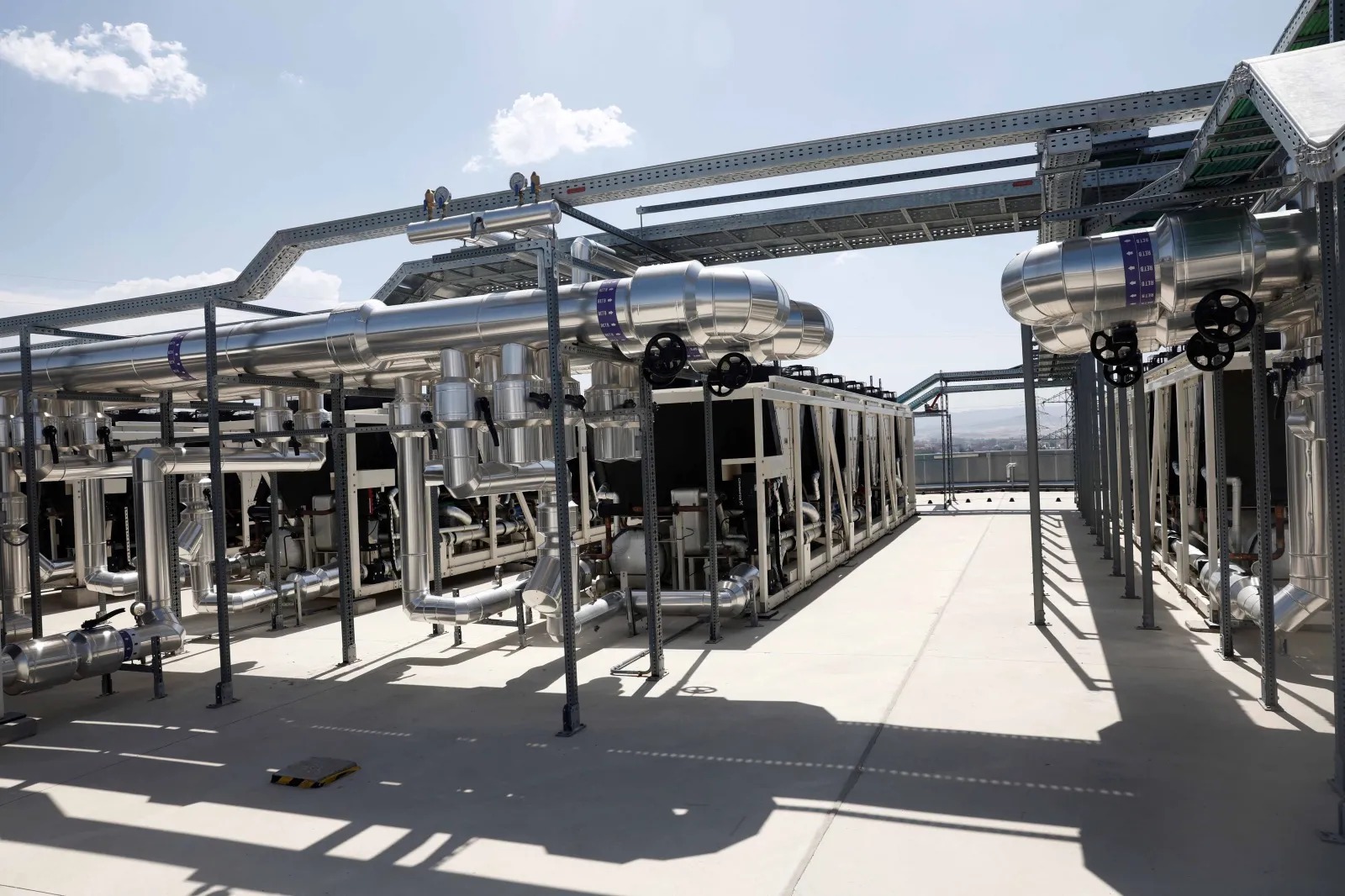
Public opinion has already begun to turn against(转而反对) AI, especially in the United States. One of the main targets has been data centers, with polls showing that a significant majority of Americans oppose the construction of data centers in their communities. Opposition to data centers needed for the new AI economy now cuts across party lines(跨越党派界限) and age groups. Numerous surveys have found that residents worry about data centers using too many resources, creating endless noise, and raising their utility bills, all while developers benefit from public subsidies(补贴) at the communities’ expense(以社区为代价).
公众舆论已经开始转向反对人工智能,尤其是在美国。主要靶子之一就是数据中心,民调显示绝大多数美国人反对在其社区建设数据中心。对新AI经济所需数据中心的反对,如今跨越了党派界限和年龄群体。许多调查发现,居民担心数据中心消耗过多资源、制造无休止的噪音、推高他们的水电费,而开发商却以社区为代价从公共补贴中获益。
A WHOLE NEW WORLD
一个全新的世界
GOING DEEP
深入应用
INVENTIVE INCENTIVES
激励创新
COALITION OF THE WILLING
意愿联盟
POSITIVE REINFORCEMENT
正向强化