Not so long ago, heroic public statuary(雕像(总称)) felt irrelevant—good for locating yourself in traffic circles but otherwise dismissed as a relic of some credulous(轻信的), great-man-besotted(迷恋伟人的) past. The fact that places like Pyongyang and Ashgabat(平壤和阿什哈巴德:个人崇拜雕像之城) still went in for it just confirmed the association with autocratic backwardness and childish megalomania(狂妄自大).
不久之前,英雄主义的公共雕像还让人觉得无足轻重——除了在环岛处帮你认路,它们不过是轻信伟人的蒙昧过去的遗物。平壤和阿什哈巴德之类的地方仍然热衷此道,这更坐实了它与专制落后和幼稚的狂妄自大之间的关联。
Things have changed. In Washington, D.C., millions of taxpayer dollars were spent on regilding(重新镀金) a pair of allegorical(寓意的) equestrian(骑马的) bronzes with the cheap sheen of a dollar-store trophy(一元店奖杯:廉价货), and the Trump administration has been defiantly pursuing legally contested plans for an arch of hypertrophic(过度肥大的) vulgarity. Meanwhile, in Los Angeles, an exhibition with Kara Walker’s dismembered and reconstituted statue of Stonewall Jackson and his horse became one of the most widely covered art events of the past 12 months. Figurative monuments are now being taken seriously—desired by some (well, at least one guy), vilified(诋毁) by many, and argued over by just about everybody. Whose history do they tell? When should they be pulled down(被推倒) or repurposed(改作他用)? How effective are they anyway?
情况变了。在华盛顿特区,数百万纳税人的钱被花在为一对寓意性骑马铜像重新镀金上,镀出的廉价光泽活像一元店里的奖杯;特朗普政府还执意推进一项在法律上备受争议的计划,要建一座臃肿粗俗的拱门。与此同时,在洛杉矶,一场展出卡拉·沃克那件被肢解又重构的斯通沃尔·杰克逊及其战马雕像的展览,成了过去12个月里报道最广的艺术事件之一。具象纪念碑如今正被认真对待——有人想要(好吧,至少一个人想要),许多人诋毁,几乎所有人都在争论。它们讲述的是谁的历史?何时该被推倒或改作他用?它们到底有多大效果?
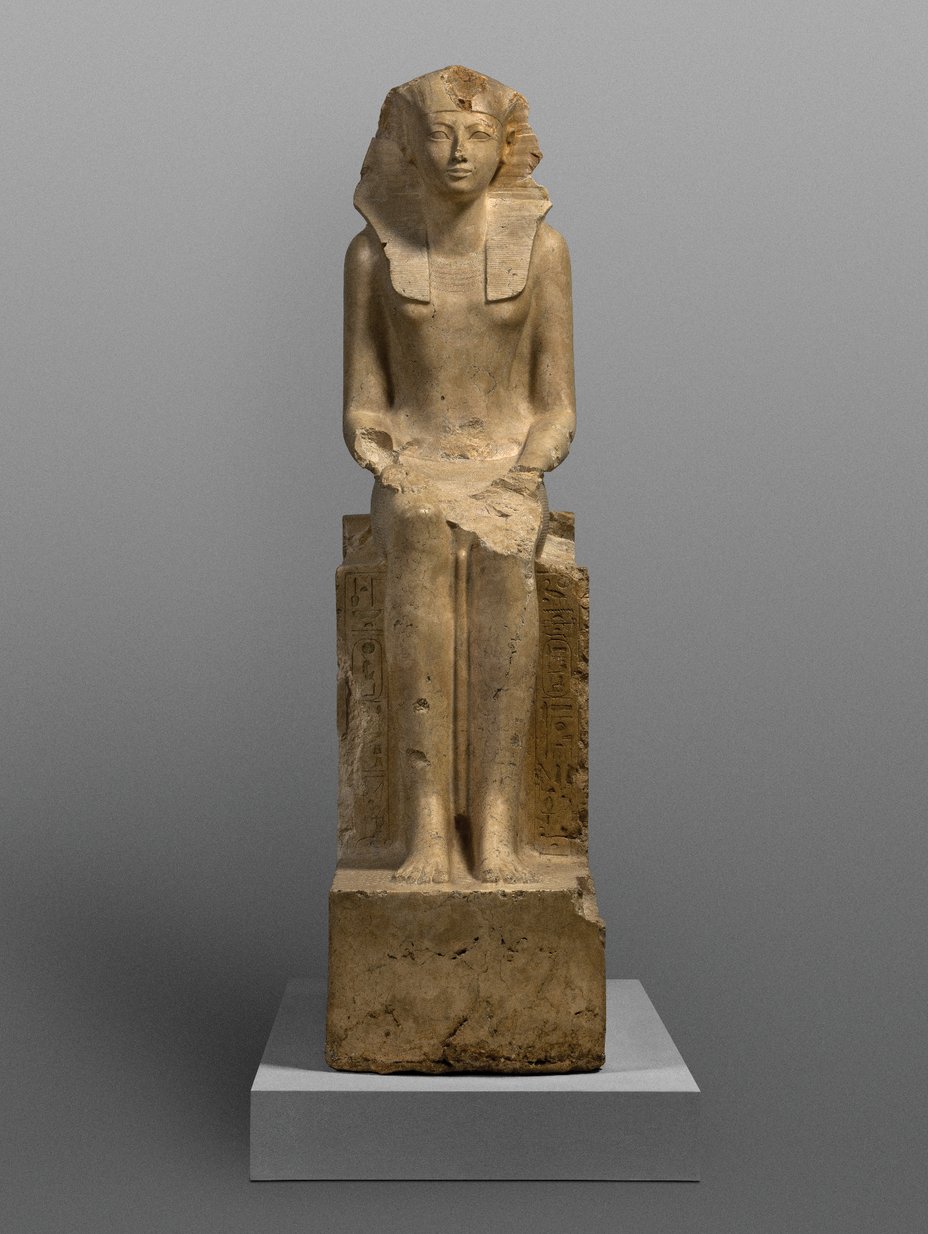
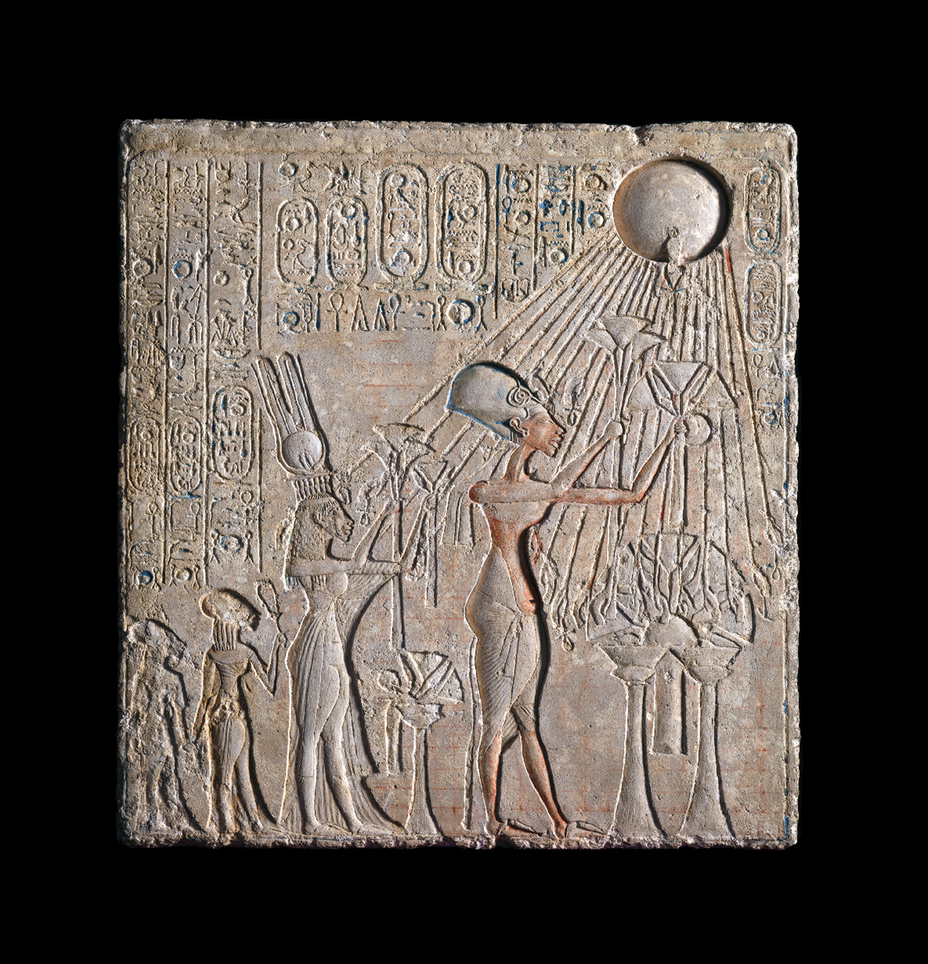
In this environment, the advent(到来) of two big museum shows with “Pharaohs” in the title feels timely. No people on Earth have done monuments more ambitiously and lastingly than the ancient Egyptians. Staking claims to eternal fame, pharaohs stamped their names and features on objects of mind-boggling(令人难以置信的) scale: the Great Sphinx of Giza(吉萨大狮身人面像), the Colossi of Memnon(门农巨像), the mountainous figures of Ramesses II at Abu Simbel(阿布辛贝的拉美西斯二世巨像).
在这样的环境下,两场标题带“法老”的大型博物馆展览应运而生,显得恰逢其时。地球上没有哪个民族比古埃及人更雄心勃勃、更持久地建造纪念碑。为了宣示永恒声名,法老们把自己的名字和面容印在规模令人难以置信的物体上:吉萨大狮身人面像、门农巨像、阿布辛贝的拉美西斯二世山岳般巨像。