Updated at 11:08 a.m. ET on October 27, 2026
2026年10月27日美国东部时间上午11:08更新
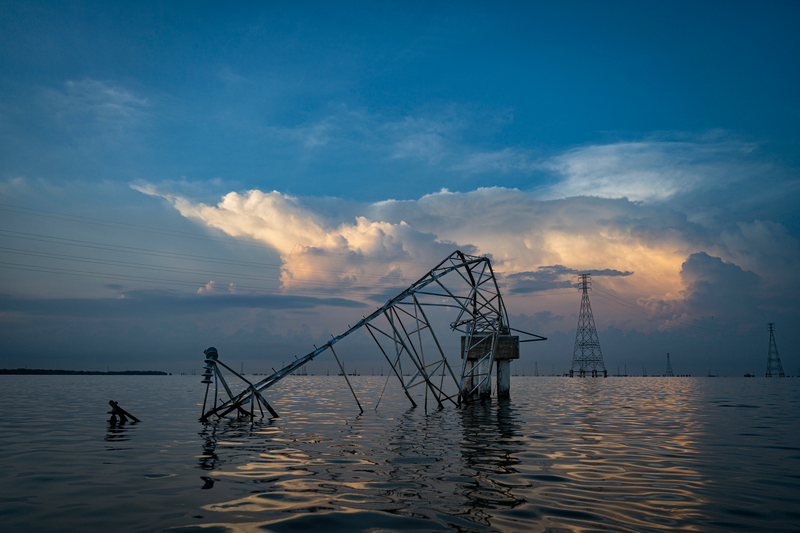
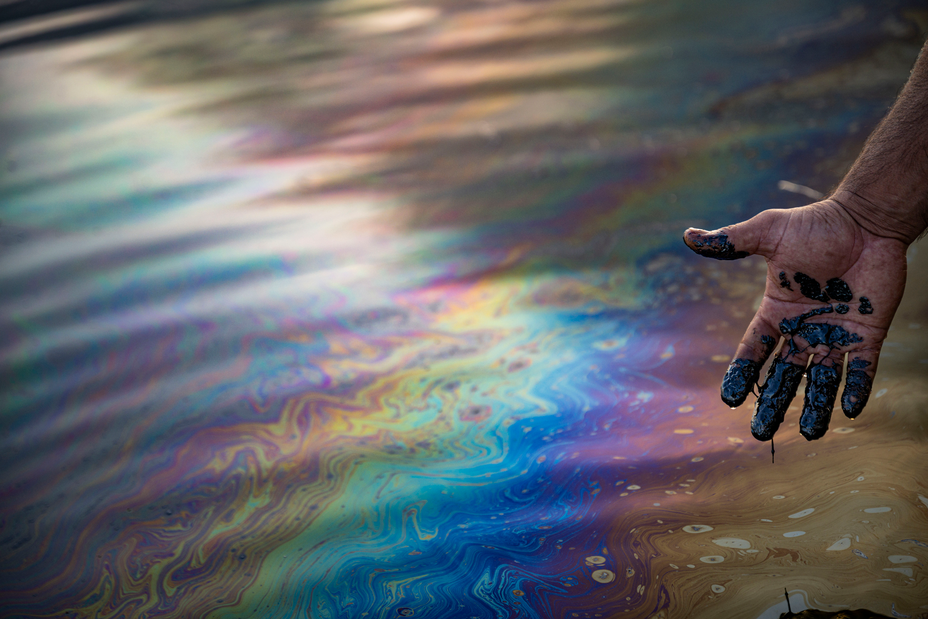
We drifted(漂流) past abandoned drilling platforms, ghostly(幽灵般的) remnants(残余,遗迹) of better days. Cormorants(鸬鹚) perched(栖息) on the metal bars of broken oil rigs, drying their wings in the sun. When we reached a swirling(旋转的), brown-green oil slick(浮油), Carlos slowed his motor. Raw oil could damage the engine, he said, and we’d already had to return to shore once that day to swap boats. We floated for a bit. Carlos, who makes his living as a fisherman on Lake Maracaibo, pointed out some surface bubbles, evidence of a leaky pipeline beneath the water.(卡洛斯靠在马拉开波湖捕鱼为生,他指着一些水面气泡,那是水下管道泄漏的证据。) There was a strong smell of gas. He lit a cigarette anyway and laughed.
我们漂过废弃的钻井平台,它们是昔日好时光的幽灵般的残迹。鸬鹚栖息在破损石油钻机的金属杆上,在阳光下晾晒翅膀。当我们到达一片旋转的棕绿色浮油时,卡洛斯放慢了马达。他说,原油会损坏发动机,而且那天我们已经不得不返回岸边换过一次船。我们漂浮了一会儿。卡洛斯靠在马拉开波湖捕鱼为生,他指着一些水面气泡,那是水下管道泄漏的证据。有强烈的天然气味。他还是点了一支烟,笑了。
That morning, Carlos and his team had caught about 30 pounds of fish in the lake, a brackish(微咸的) estuary(河口) where oil was discovered more than a century ago. The subsequent boom built the cities of Caracas and Maracaibo, three generations of wealth, and four decades of democracy.(随后的繁荣建起了加拉加斯和马拉开波两座城市,造就了三代人的财富和四十年的民主。) A century later, tens of billions of barrels’ worth of(价值数百亿桶的) reserves(储量) remain beneath the water. Some of them might now be controlled by the American government.
那天早上,卡洛斯和他的团队在湖里捕了大约30磅鱼。这个微咸的河口一个多世纪前发现了石油。随后的繁荣建起了加拉加斯和马拉开波两座城市,造就了三代人的财富和四十年的民主。一个世纪后,价值数百亿桶的储量仍在水下。其中一些现在可能由美国政府控制。