I sent my first postcard, as a six-year old, to Olympian Mary Lou Retton(美国奥运体操冠军), who returned an autographed(亲笔签名的) black and white photo of herself in a wide smile and chic haircut. “‘GOOD LUCK USA ’84” it said.
我六岁时寄出了第一张明信片,收件人是奥运选手玛丽·卢·雷顿,她回赠了一张亲笔签名的黑白照片,照片中的她笑容灿烂,发型时髦。上面写着:“祝美国好运 ’84”。
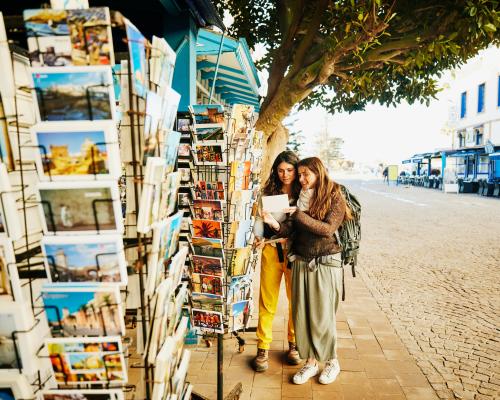
There followed four relatively fallow(闲置的,不活跃的) decades for me as a postcard sender or receiver until last year, when I became enchanted by(被…迷住) the infinite possibilities available in four by six inches(四乘六英寸(明信片尺寸)).
此后,作为明信片的寄出者或接收者,我经历了相对平淡的几十年,直到去年,我被四乘六英寸空间里的无限可能所吸引。
I received at least five dozen(一打,十二个) and lost count of how many I stamped and disseminated(散布,传播). Once ubiquitous(无处不在的) as correspondence, advertising and more, postcards in 2026 are exceptional: a bite-sized(一口大小的,小块的) miracle that’s improved my relationships, my attention span, and my art and writing skills. And let me tell you about the surge of dopamine(多巴胺(神经递质)) I routinely experience under the fluorescent lights(荧光灯) of my local post office lobby.
我至少收到了五打明信片,也记不清自己贴了多少张邮票、寄出了多少张。明信片曾作为通信、广告等用途无处不在,但在2026年,它们变得特别:一个一口大小的奇迹,改善了我的人际关系、注意力持续时间以及我的艺术和写作技巧。让我告诉你,在当地邮局大厅的荧光灯下,我经常体验到的那种多巴胺激增的感觉。