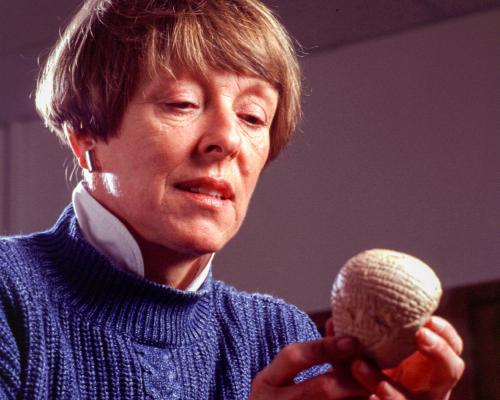
Olga Soffer, who has died aged 83, brought a revolutionary(革命性的;颠覆性的) idea into the conversation about prehistoric ice age people: women mattered(重要,有关系). Inspired when working on archaeological excavations in the former USSR, and by remains from a dig in Moravia, in the 1990s she presented a case for women as makers of textiles, baskets and nets, critical to survival in bleak(荒凉的;阴冷的;黯淡的) northern conditions 30,000 years ago.
奥尔加·索弗去世,享年83岁。她为关于史前冰河时代人类的讨论带来了一个革命性的观点:女性至关重要。在前苏联进行考古发掘的经历,以及摩拉维亚一处遗址的遗存启发了她。20世纪90年代,她提出证据表明,女性是纺织品、篮子和网具的制造者,这些技艺在3万年前严酷的北方环境中对生存至关重要。
Her achievement was the more remarkable(非凡的;显著的) for her career path. By then(到那时) a professor of anthropology at the University of Illinois, she had obtained(获得,取得) her three degrees over three decades, partly while also working as a cosmetics(化妆品) buyer and fashion promoter for a New York department store.
考虑到她的职业轨迹,她的成就更显非凡。那时她已是伊利诺伊大学的人类学教授,而她的三个学位是在三十年间陆续获得的,期间她还在纽约一家百货公司兼任化妆品采购员和时尚推广人。
Since the 20s, Soviet Russia, looking to historical materialism(历史唯物主义), generously funded(资助,为…提供资金) large archaeological excavations(发掘;挖掘). Unlike most of her colleagues in the west, Soffer, whose family had fled(逃离(flee 的过去式)) Tito’s Yugoslavia(铁托的南斯拉夫) and settled in Brooklyn in 1955, could read the reports. In 1977 she began years of travel and research, supported by grants(拨款;补助金) from the US government, the National Geographic Society and many others. Among 30 sites she worked on, four stood out(突出,显眼): Mezhyrich, Ukraine; Avdeevo, Russia; and Dolní Věstonice and Pavlov, Moravia (now in Czechia).
自20世纪20年代起,苏联基于历史唯物主义,慷慨资助大规模的考古发掘。与大多数西方同行不同,索弗能够阅读这些报告——她的家人曾逃离铁托的南斯拉夫,于1955年在布鲁克林定居。1977年,她开始了长达数年的旅行和研究,得到了美国政府、国家地理学会等许多机构的资助。在她工作过的30个遗址中,有四个尤为突出:乌克兰的梅日里奇、俄罗斯的阿夫杰耶沃,以及摩拉维亚(今属捷克)的下维斯特尼采和帕夫洛夫。