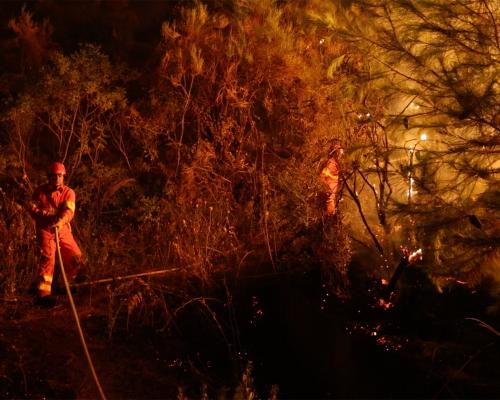
The whole world is getting hotter as carbon pollution from fossil fuel burning traps ever more heat, but Europe is heating up twice as fast as other continents.(全球因碳污染而变暖,但欧洲升温速度是其他大陆的两倍。) The consequences are increasingly deadly(致命的), with tens of thousands of(数以万计的) heatwave deaths so far this summer.
随着化石燃料燃烧产生的碳污染困住越来越多的热量,全球都在变暖,但欧洲的升温速度是其他大陆的两倍。后果日益致命,今年夏天迄今已有数万人死于热浪。
Why is Europe most affected by global heating?
为什么欧洲受全球变暖影响最大?
Land requires less heat than the vast and deep oceans to warm up, so all continents are warming more quickly than the seas. But Europe is particularly vulnerable(脆弱的,易受伤害的) for four reasons(出于四个原因): changed weather patterns, its closeness(接近,邻近) to the Arctic, less snow and less air pollution.
陆地升温所需的热量比广阔深邃的海洋少,因此所有大陆的升温速度都快于海洋。但欧洲尤其脆弱,原因有四:天气模式改变、靠近北极、积雪减少以及空气污染减少。
As a result(因此,结果), Europe is now 2.5C hotter than before the mass(大规模的) burning of fossil fuels, almost double the global average 1.4C rise. Temperatures in Europe have risen by 0.56C a decade since the mid-1990s, compared with(与…相比) 0.42C in North America, 0.36C in Africa and 0.27C in South America.
因此,欧洲现在比大规模燃烧化石燃料之前热了2.5摄氏度,几乎是全球平均升温1.4摄氏度的两倍。自20世纪90年代中期以来,欧洲气温每十年上升0.56摄氏度,而北美为0.42摄氏度,非洲为0.36摄氏度,南美洲为0.27摄氏度。
How have Europe’s weather patterns changed?
欧洲的天气模式发生了怎样的变化?
Why is the Arctic important?
为什么北极很重要?
What about snow cover?
积雪覆盖情况如何?
Why does reduced air pollution affect temperatures?
为什么空气污染减少会影响气温?
How important is each of the four factors above?
上述四个因素各自有多重要?
What are the consequences?
后果是什么?