Two faces that appeared on my Instagram feed in recent months gave me pause(让我停下来思考). One belonged to John Travolta at Cannes. The other to Carla Bruni on a date night with her husband, former French President Nicolas Sarkozy. Both looked recognisably(可辨认地) themselves, yet, they both also looked oddly unfamiliar. Their looks have provoked(激起,引发) speculation about cosmetic enhancement, though never acknowledged by them. Bruni has previously denied having had work done(做过整容手术).
近几个月,我的Instagram信息流中出现的两张面孔让我停了下来。一张是戛纳电影节上的约翰·特拉沃尔塔,另一张是卡拉·布吕尼与丈夫、法国前总统尼古拉·萨科齐共度约会之夜时的照片。两人看起来都还是他们自己,但又都透着一种说不出的陌生。他们的容貌引发了关于整容的猜测,尽管他们从未承认。布吕尼此前曾否认做过整容。
In any case(无论如何,不管怎样) the feeling lasted only a second: a flicker(一闪而过的感觉) of unease, as though I were looking at people who had become approximations(近似物,类似物) of themselves.
无论如何,这种感觉只持续了一秒钟:一丝不安的闪现,仿佛我在看着一群已经变成了自己近似物的人。
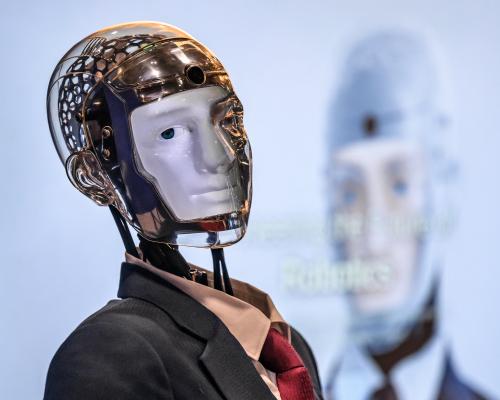
There is a name for that sensation(感觉,知觉). In a 1970 article, the Japanese robotics professor Masahiro Mori described what he called the “uncanny valley(恐怖谷理论)”. He found that robots that were designed to look as human as possible often provoked discomfort in people. That was a surprise, since the benefit of humanoid(类人的,人形的) robots was supposed to be that we humans would trust them more.
这种感觉有一个名字。在1970年的一篇文章中,日本机器人学教授森政弘描述了他所称的“恐怖谷”。他发现,那些被设计得尽可能像人的机器人常常会引起人们的不适。这令人意外,因为人形机器人的好处本应是让我们人类更信任它们。