So now we know: the smart response to the UK’s summer of record temperatures is to do precisely nothing. According to Richard Tice, Reform UK’s deputy leader, the climate crisis is just one of those things(难免之事,无可奈何的事). Nothing can be done about it, so we should simply bask(晒太阳,享受温暖) in the sunshine.
所以现在我们明白了:对英国创纪录高温夏季的明智回应就是什么都不做。据英国改革党副领袖理查德·泰斯称,气候危机只是人生中难免之事。对此无能为力,所以我们只需沐浴在阳光下。
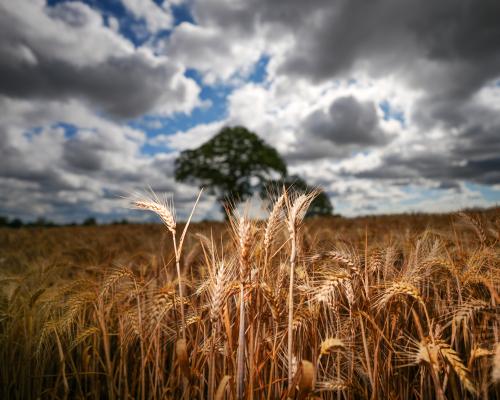
It is reasonable to assume Tice would not have said anything quite as crass had he been addressing people in Stourbridge who have seen their homes burn to the ground.(有理由认为,如果泰斯面对斯陶尔布里奇的灾民,就不会说如此粗鲁的话。) Or the farmers whose crops shrivel(枯萎,干枯) in parched(干透的,焦干的) fields. Or the firefighters exhausted(精疲力竭的) from battling wildfires across Britain.
我们有理由认为,如果泰斯面对的是斯陶尔布里奇那些眼睁睁看着家园被烧毁的居民,或是庄稼在干裂的田地里枯萎的农民,又或是因在英国各地扑灭野火而精疲力竭的消防员,他绝不会说出如此粗鲁的话。
Yet Tice clearly thinks he is on to something(发现重要或有价值的东西). The cost of living crisis has put the government’s commitment to achieving net zero by 2050 under the spotlight(成为焦点,受到关注). The assumption underlying(潜在的,根本的) Tice’s comments is that there is a trade-off(权衡,取舍) between tackling the climate emergency and raising, or even maintaining, living standards – and that for the time being(暂时,目前), the latter should take priority.
然而泰斯显然觉得自己发现了什么。生活成本危机使政府到2050年实现净零排放的承诺成为焦点。泰斯言论背后的假设是,应对气候紧急状况与提高甚至维持生活水平之间存在权衡取舍——而且目前后者应优先。