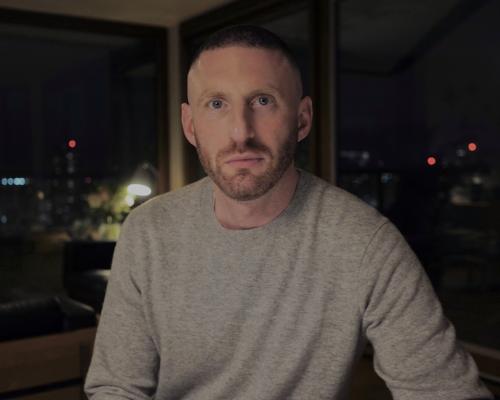
A contributor(参与者,投稿人) to a controversial Channel 4 documentary on attention deficit hyperactivity disorder has withdrawn her support(撤回支持) for the programme, saying it was biased(有偏见的) and could lead to an increased suicide(自杀) risk by encouraging parents to take their children off medication(让孩子停药).
一位参与第四频道关于注意力缺陷多动障碍(ADHD)争议纪录片拍摄的嘉宾已撤回对该节目的支持,称其存在偏见,并可能因鼓励家长让孩子停药而导致自杀风险增加。
Katya Rubia, a professor of cognitive neuroscience(认知神经科学) at the Institute of Psychiatry, Psychology and Neuroscience at King’s College London, also said The Great ADHD Myth? misrepresented(歪曲,误传) her views.
伦敦国王学院精神病学、心理学与神经科学研究所的认知神经科学教授卡蒂亚·鲁比亚还表示,《多动症大迷思?》歪曲了她的观点。
“I agreed to take part in this documentary because I knew it was aiming to show ADHD was a myth(迷思,谬见) and I wanted to provide an alternative view,” she said. “But they cherrypicked(挑选有利证据), largely misrepresented, truncated(截短,删节) and presented my comments out of context(脱离语境) to make them fit into their narrative(叙事,说法).
“我同意参与这部纪录片,因为我知道它旨在表明ADHD是一个迷思,而我想提供另一种观点,”她说。“但他们断章取义、严重歪曲、删减我的言论,并脱离语境呈现,以使其符合他们的叙事。