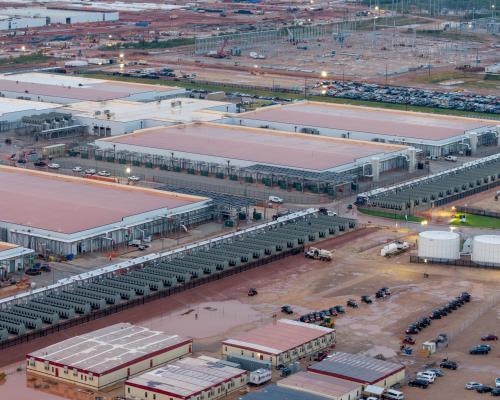
Some experts are warning of a looming(逼近的,即将发生的) “debt bomb(债务炸弹,指潜在的债务危机)” crisis because big datacenter builders such as Meta, Oracle, xAI and CoreWeave are not only raising billions to construct these facilities but are also not recognizing(确认(会计术语)) these long-term debt obligations on their balance sheets(资产负债表).
一些专家警告称,一场“债务炸弹”危机正在逼近,因为Meta、甲骨文、xAI和CoreWeave等大型数据中心建设商不仅筹集数十亿美元来建造这些设施,而且没有在资产负债表上确认这些长期债务义务。
Should we be concerned? No. I know because I’ve seen this movie before(经历过类似情况).
我们应该担心吗?不。我知道,因为这部电影我以前看过。
It works like this: Meta wants to build a datacenter to accommodate(满足,适应) its growing AI and cloud computing needs. It forms a separate entity(实体(法律或会计主体)) that’s not consolidated(合并(财务报表)) in its financials, which builds the datacenter. To fund this, the entity raises money from(从…筹集资金) investors, banks and other financial firms (including some from Meta) that own the majority of the entity. There is a contract by which Meta has exclusive(独家的,专用的) and full use of the datacenter once built. This way Meta gets its datacenter but most of the debt incurred(招致,产生(债务)) to build it is not shown as a liability(负债,债务) on its books.
其运作方式如下:Meta想要建造一个数据中心,以满足其日益增长的人工智能和云计算需求。它成立了一个独立实体,该实体不并入其财务报表,由该实体负责建造数据中心。为了筹集资金,该实体从投资者、银行和其他金融机构(包括一些来自Meta的机构)那里募集资金,这些机构拥有该实体的多数股权。双方签订合同,规定数据中心一旦建成,Meta拥有独家且完全的使用权。这样一来,Meta得到了数据中心,但建造它产生的大部分债务并未作为负债显示在其账面上。