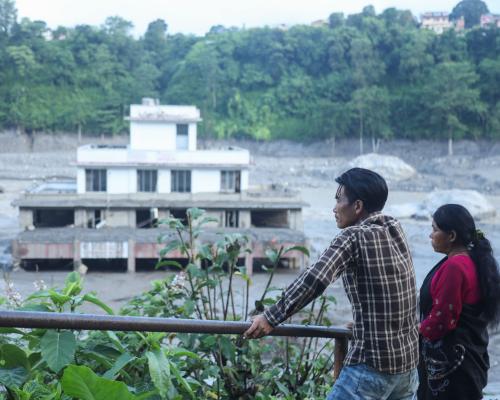
As a Nepali citizen working on international climate policy for more than a decade, it is difficult to look at the harrowing images coming out of the catastrophic flash flood that thundered down valleys in Nepal, sweeping down the Lhende Khola, Bhotekoshi and Trishuli rivers, and not feel angry.(作为一名从事国际气候政策工作十余年的尼泊尔公民,看到那场灾难性山洪的惨痛画面——洪水轰鸣着冲下尼泊尔的山谷,席卷了伦德河、波特科西河和特里苏利河——很难不感到愤怒。)
作为一名从事国际气候政策工作十余年的尼泊尔公民,看到那场灾难性山洪的惨痛画面——洪水轰鸣着冲下尼泊尔的山谷,席卷了伦德河、波特科西河和特里苏利河——很难不感到愤怒。
Not just because of the destruction, but because it comes after years of warnings from scientists and civil society(公民社会,民间社会) that a rapidly warming planet would make disasters more frequent, more intense and harder to predict. This is what the cost of delaying global climate action looks like.
不仅仅是因为破坏本身,而是因为这场灾难发生在科学家和公民社会多年警告之后——他们早就指出,地球迅速变暖将使灾害更加频繁、更加剧烈、更难预测。这就是拖延全球气候行动的代价。
On 26 August, a wall of ice, water, rock and mud tore through(撕裂,猛冲过) communities, destroying homes, markets, bridges, roads and hydropower(水力发电) infrastructure in Nepal and Tibet. Hundreds of people were killed and many more remain missing. The devastation(破坏,毁灭) came with terrifying speed. For people living along the rivers and the tourists trekking in the hills, there was little time between the hazard emerging high in the mountains and destruction reaching the valleys below.(对于沿河而居的人们和在山区徒步的游客来说,从高山上的危险出现到山谷下的毁灭到来,几乎没有时间间隔。)
8月26日,一道由冰、水、岩石和泥土构成的“墙”撕裂了社区,摧毁了尼泊尔和西藏的房屋、市场、桥梁、道路和水电基础设施。数百人遇难,更多人仍下落不明。灾难以惊人的速度降临。对于沿河而居的人们和在山区徒步的游客来说,从高山上的危险出现到山谷下的毁灭到来,几乎没有时间间隔。