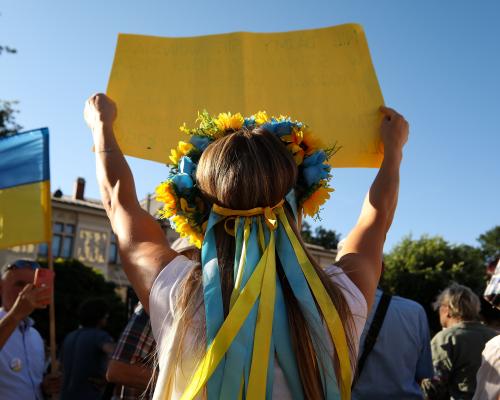
One of the unintended(非故意的,意外的) consequences of Russia’s full-scale war(全面战争) against Ukraine was that it gave Poland a rare slice of geopolitical stardom. When Russian tanks started their ultimately unsuccessful cavalcade(车队,行列) towards the Ukrainian capital, ordinary Poles rushed to help millions of people fleeing the looming(逼近的,迫近的) conflict. As Polish people opened their doors to civilians running from Russian bombs, even the then ruling populist Law and Justice party had to follow suit(效仿,跟着做).
俄罗斯对乌克兰发动的全面战争带来的意外后果之一,是让波兰难得地在地缘政治舞台上大放异彩。当俄罗斯坦克开始向乌克兰首都进发,最终铩羽而归时,普通波兰人纷纷伸出援手,帮助数百万逃离迫在眉睫冲突的人们。当波兰民众向躲避俄罗斯炸弹的平民敞开家门时,就连当时执政的民粹主义政党法律与公正党也不得不效仿。
It seemed that Poland and Ukraine were bound for(注定要,前往) an iron-clad(坚不可摧的,铁定的) alliance, unprecedented(史无前例的) in their shared history. Poland advocated(提倡,主张) for the Ukrainian cause in the west, with some success. Ukrainian leaders, in turn(反过来,依次), praised Poles for their generosity and the government in Warsaw for contributing weapons and money to the war effort. Given that recent history between the two countries had been marked by accusations of second world war-era genocide(种族灭绝), border shifts and postwar displacements of millions of people, it was a remarkable change.
波兰和乌克兰似乎注定要结成两国共同历史上前所未有的牢固联盟。波兰在西方为乌克兰的事业奔走,并取得了一定成功。乌克兰领导人则称赞波兰人的慷慨,以及华沙政府为战争贡献的武器和资金。鉴于两国近代史上曾出现过二战时期种族灭绝的指控、边界变动以及战后数百万人的流离失所,这一变化实属非凡。
But it has not lasted. According to a an opinion poll(民意调查) by CBOS, Poland’s largest polling institution last month, 52% of Poles now oppose(反对) their country accepting Ukrainian refugees. A steadily growing number are becoming weary of(厌倦,厌烦) supporting Kyiv, with many rightwingers arguing that weapons transfers have depleted(耗尽,使枯竭) Poland’s own capacity to defend against a potential Russian incursion(入侵,侵犯).
但这种局面并未持续。根据波兰最大的民调机构CBOS上个月的民意调查,52%的波兰人现在反对本国接收乌克兰难民。越来越多的人对支持基辅感到厌倦,许多右翼人士认为,武器转让已经削弱了波兰自身抵御俄罗斯潜在入侵的能力。