In December 2018, as defence minister, I inadvertently(无意地,非故意地) misled(误导,使误信) parliament. Asked whether blood samples had been taken from service personnel for radiological monitoring during the nuclear bomb tests, I relayed the line provided to me by the Ministry of Defence: it was “unable to locate any information” suggesting blood samples had been taken for radiological monitoring at the tests.(当被问及核试验期间是否采集军人血样时,我转述了国防部无法找到相关信息的说法。)
2018年12月,时任国防大臣的我无意中误导了议会。当被问及在核弹试验期间是否采集了军人的血样用于辐射监测时,我转述了国防部提供给我的说法:国防部“无法找到任何信息”表明在试验中采集了用于辐射监测的血样。
I now know the reality was very different – these samples were taken across the armed services branches. But those veterans(老兵,退伍军人) seeking compensation for serious illnesses developed after radiation exposure(辐射暴露) have been unable to access them. This is among the greatest scandals(丑闻) in Britain, and it must be addressed.
我现在知道现实情况截然不同——这些样本是在各军种中采集的。但那些因辐射暴露后患上严重疾病而寻求赔偿的老兵却无法获取这些样本。这是英国最大的丑闻之一,必须予以解决。
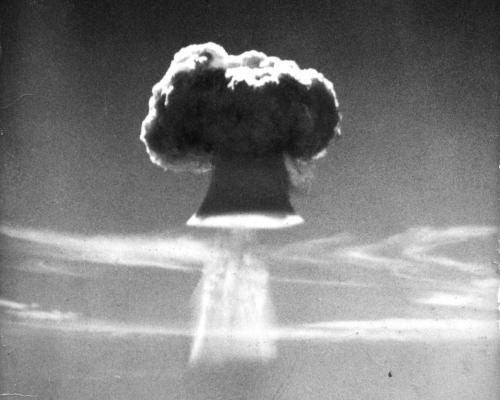
More than 20,000 armed forces personnel(人员,职员) took part in(参加,参与) dozens of(几十个,许多) nuclear tests and nearly 600 radiation experiments, the majority between 1952 and 1967. This was for the entirety of the cold war. The science was deemed(认为,视为) necessary. How effective were our own bombs and, just as importantly, how well could our military function if the Soviet Union used theirs against us?(我们自己的炸弹有多有效?同样重要的是,如果苏联对我们使用他们的炸弹,我们的军队还能发挥多大作用?) Test after test was conducted in the Australian desert, at Christmas Island in the Pacific, and we also sent service personnel into the atomic clouds(原子云(核爆炸产生的放射性云)) of allies(盟友) and enemies. Yet their medical records for the period are missing.
超过2万名武装部队人员参加了数十次核试验和近600次辐射实验,其中大部分发生在1952年至1967年间。这贯穿了整个冷战时期。当时认为这些科学实验是必要的。我们自己的炸弹有多有效?同样重要的是,如果苏联对我们使用他们的炸弹,我们的军队还能发挥多大作用?一场又一场试验在澳大利亚沙漠、太平洋上的圣诞岛进行,我们还派遣军人进入盟友和敌人的原子云中。然而,他们在那段时期的医疗记录却缺失了。