After everything, why would anyone still back(支持,拥护) Nigel Farage? In some of the comments below my piece last week about Reform UK, I spot the usual answers: Farage’s supporters are dim(愚笨的,迟钝的), racist, deplorable(应受谴责的,糟糕的). Yet away from(远离,离开) Westminster and the news cycle, Reform voters are being manufactured((贬义)人为制造,捏造) – not with headlines or crypto funds(加密货币资金) but through the failure of institutions(机构,制度) they once trusted to protect them. To see what I mean, leave SW1 and go 40 miles up the road, to Luton.
经历了这一切,为什么还有人支持奈杰尔·法拉奇?在我上周关于英国改革党的文章下面的一些评论中,我看到了常见的答案:法拉奇的支持者愚昧、种族主义、可悲。然而,在威斯敏斯特和新闻周期之外,改革党的选民正在被制造出来——不是靠头条新闻或加密货币资金,而是通过他们曾经信任能保护他们的机构的失败。要明白我的意思,离开SW1,沿路向北40英里,去卢顿看看。
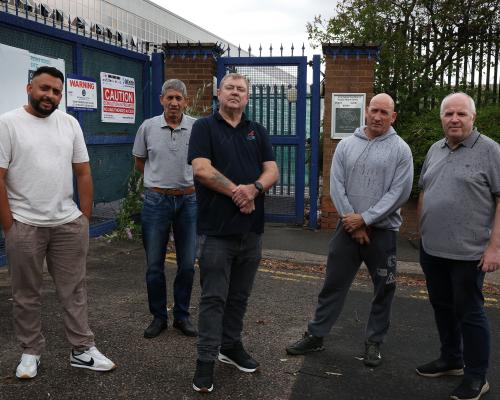
In a deserted(空无一人的,荒废的) hotel bar, five men are reminiscing(追忆,缅怀) about how their world ended. Their minds are on a Friday afternoon in March last year, as the place where they had worked for two or three decades apiece, making friends and even meeting future wives, is about to shut for good.(他们的思绪回到了去年三月的一个周五下午,那时他们各自工作了二三十年、在那里结交朋友甚至遇见未来妻子的地方,即将永久关闭。)
在一家空荡荡的酒店酒吧里,五个男人正在追忆他们的世界是如何终结的。他们的思绪回到了去年三月的一个周五下午,那时他们各自工作了二三十年、在那里结交朋友甚至遇见未来妻子的地方,即将永久关闭。
Vauxhall came to Luton not long after the death of Queen Victoria; it helped build the town and gave it an economy and an identity(身份,认同). At its peak in 1971, the company directly employed 37,000 staff in Britain, mostly in Luton. Now it is leaving. On this afternoon, these men and so many of their soon-to-be ex-workmates are crowded around the assembly line(装配线,流水线). As the last white van comes off, they clap and cheer with pride for what they had been part of. Some cry. “It’s as if you had lost someone in your family,” remembers Paul Geary, whose ties with this place are four generations deep.(“就好像你失去了家人一样,”保罗·吉尔里回忆道,他与这个地方的联系已有四代之久。)
沃克斯豪尔在维多利亚女王去世后不久来到卢顿;它帮助建设了这座城镇,并赋予它经济与身份认同。在1971年的鼎盛时期,该公司在英国直接雇佣了37,000名员工,大部分在卢顿。如今它要离开了。这天下午,这些男人和许多即将成为前同事的人挤在装配线周围。当最后一辆白色货车下线时,他们为自己曾参与其中而自豪地鼓掌欢呼。有些人哭了。“就好像你失去了家人一样,”保罗·吉尔里回忆道,他与这个地方的联系已有四代之久。