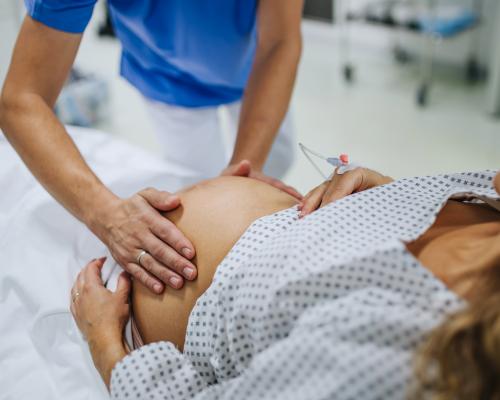
There were no chandeliers(枝形吊灯) in the public ward where I spent my first days as a mother, at the oldest continuously operating maternity hospital in the world. The room echoed with(回荡着……的声音) cries, the well-worn floor bouncing under footsteps, the windows looking out on Dublin’s city centre.
在我作为母亲度过头几天的公共病房里,没有水晶吊灯——那是世界上持续运营时间最古老的妇产医院。房间里回荡着哭喊声,磨损的地板在脚步下颤动,窗外是都柏林市中心。
Now the Rotunda hospital, where I’m due to give birth again soon, is counting down to(倒计时到……) its 1 millionth baby. It is also at the centre of a bitter debate over plans to reform Ireland’s two-tier state healthcare system, so that those who pay to “go private” in public hospitals no longer gain an unfair advantage over those who don’t.(它也是一场激烈辩论的中心,辩论涉及改革爱尔兰双轨制医疗体系的计划,以使付费私立患者不再占优势。)
如今,我即将再次分娩的Rotunda医院正在倒计时迎接其第100万名婴儿。它也是一场激烈辩论的中心,辩论涉及改革爱尔兰双轨制国家医疗体系的计划,目的是让那些在公立医院付费“走私人通道”的人不再比不付费的人获得不公平的优势。
A chandelier is the background for the Rotunda Private’s soft-lit(柔光照射的) webpage, which lists fees of up to(高达……的费用) €4,500 to be treated privately in this public hospital. Maternal healthcare in Ireland is provided free by the state, and there are no stand-alone(独立的,单独的) private maternity hospitals in the country. But in the public hospital system, patients who can afford it can pay to access continuity of care(护理的连续性) with a private consultant(顾问医生;会诊医师), private scans and the right to request a private room after birth.
Rotunda私立部的柔和灯光网页背景正是一盏水晶吊灯,网页上列出了在这家公立医院接受私立治疗高达4500欧元的费用。爱尔兰的孕产妇保健由国家免费提供,国内也没有独立的私立妇产医院。但在公立医院系统中,负担得起的患者可以付费获得私立顾问医生的连续性护理、私立扫描以及产后要求私人房间的权利。