For millennia(数千年), the high peaks of the Himalayas were held together(维系在一起) by an invisible, frozen cement – permafrost(永久冻土) and glacial ice that bound ancient rock into seemingly unshakable(不可动摇的) fortresses. But as the planet continues to warm, this alpine glue is liquefying(液化).
数千年来,喜马拉雅山脉的高峰由一种无形的冰冻水泥——永久冻土和冰川冰——维系在一起,它们将古老的岩石束缚成看似坚不可摧的堡垒。但随着地球持续变暖,这种高山粘合剂正在液化。
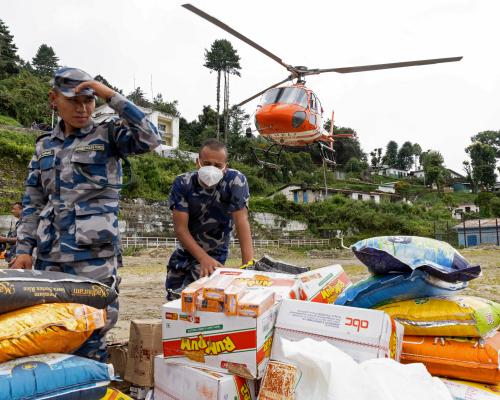
The glacial collapse and deluge(洪水,暴雨) in Nepal and Tibet was not a freak weather event(反常天气事件); it was the structural(结构性的) failure of a mountain itself, nature’s latest commentary on the deadly consequences of human-caused planetary warming. And it was the exclamation point on a summer of extremes, illustrating with a sole unnatural disaster the apocalyptic future that lies in store if we fail to take dramatic climate action.(它也是这个极端夏季的惊叹号,仅凭一场非自然灾害就预示了如果我们不采取重大气候行动将会面临的末日般未来。)
尼泊尔和西藏的冰川崩塌与洪水并非反常天气事件;它本身就是山体的结构性崩塌,是自然对人类活动导致的地球变暖的致命后果的最新评论。而且,它也是这个极端夏季的惊叹号,仅凭一场非自然灾害就预示了如果我们不采取重大气候行动将会面临的末日般未来。
As the death toll(死亡人数) continues to mount(增加,上升) – the latest count showed more than 900 dead and more than 4,400 individuals missing – this event has crystalized(使明确,使成形) the climate crisis for many.
随着死亡人数持续攀升——最新统计显示已有900多人死亡,4400多人失踪——这一事件使许多人心中对气候危机的认识变得清晰起来。