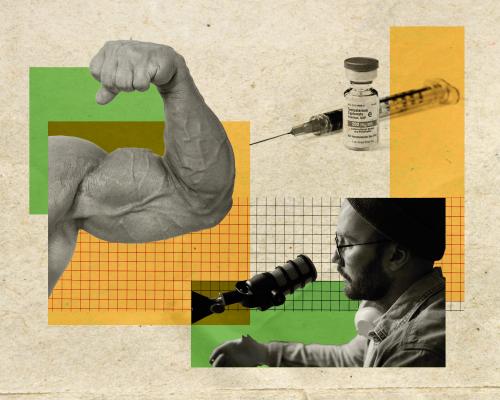
Are you tired? Feeling flat and irritable? Finding it difficult to concentrate? Maybe you’re experiencing the seemingly ubiquitous(无处不在的) symptoms of modern life. Or, if you’re a man, you may have been told by countless uncredentialed(无资质的) online influencers that you’re probably suffering from “low T(低睾酮(症))”.
你感到疲惫吗?情绪低落、烦躁易怒?难以集中注意力?也许你正在经历现代生活中看似普遍的症状。或者,如果你是一名男性,你可能已被无数没有资质的网络网红告知,你很可能患有“低睾酮症”。
For decades, testosterone has been marketed to men as a means to maximise virility(男性气概). But in recent years, social media has fuel(助长,加剧)led the “T-maxxing(睾酮最大化(网络流行语))” trend, in which men are encouraged to maximise their testosterone levels through either natural or artificial means(人工手段(如药物)).
几十年来,睾酮一直被作为增强男性气概的手段向男性推销。但近年来,社交媒体助长了“T-maxxing”风潮,鼓励男性通过自然或人工方式最大化其睾酮水平。
Low testosterone is being blamed in the rightwing manosphere(男性圈(网络亚文化)) for a crisis of masculinity(男性气质); global search interest in the term is up 60% from last year.
在右翼男性圈中,低睾酮被指责为男性气质危机的原因;全球对该词的搜索兴趣比去年上升了60%。
‘Fearmongering’ in the manosphere
男性圈中的“恐吓营销”
What are the health risks of taking testosterone?
服用睾酮有哪些健康风险?