The greenest campaigners against climate change have long suffered from a crippling(造成严重损害的,致命的) shortcoming: they too often frame(将…定义为,构建) the challenge as a problem of excess consumption(过度消费). This motivates calls to “degrow” the economy and to curb(控制,抑制) the population. The claim is that humans consume too many resources, which in the context of climate change means too much energy.(其论点是,人类消耗了太多资源,而在气候变化的背景下,这意味着消耗了太多能源。)
最积极的环保活动人士长期以来一直有一个致命缺陷:他们常常将气候挑战定义为过度消费的问题。这促使人们呼吁“去增长”经济和限制人口。其论点是,人类消耗了太多资源,而在气候变化的背景下,这意味着消耗了太多能源。
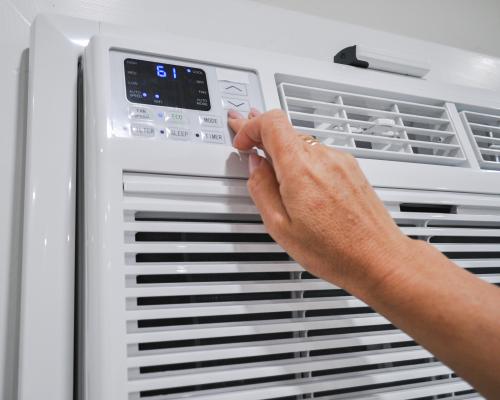
Nowhere has the tension between this proposition and reality become more palpable(明显的,可感知的) during this sweltering(酷热的,闷热的) summer than in the conversation over(关于…的讨论) air conditioning.
在这个酷热的夏天,这一主张与现实之间的紧张关系,在关于空调的讨论中表现得最为明显。
If the atmosphere were to warm more than 3C above the average temperature in the preindustrial era, a prospect that looks ever more likely given the lackluster efforts to reduce carbon emissions, one in six of the world’s largest cities would suffer at least one heatwave per year lasting more than a month, according to the World Resources Institute.(如果大气温度比工业化前时期平均温度高出3摄氏度以上——鉴于减排努力乏善可陈,这一前景愈发可能——那么全球最大城市中每六个就有一个每年至少遭受一次持续超一个月的热浪,据世界资源研究所称。) Low-income countries would suffer, on average, 6.9 heatwave(热浪)s per year. Delhi would suffer at least 140 days with temperatures hitting at least 35C (95F).
如果大气温度比工业化前时期的平均温度高出3摄氏度以上——鉴于减少碳排放的努力乏善可陈,这一前景看起来越来越可能——那么根据世界资源研究所的数据,全球最大的城市中每六个就有一个每年至少遭受一次持续超过一个月的热浪。低收入国家平均每年将遭受6.9次热浪。德里每年至少有140天的气温达到至少35摄氏度(95华氏度)。