The German government has blamed(指责,归咎于) Russia for the drone attack on Leipzig airport last month, calling it “dangerous behaviour” and part of a systematic and concerted effort(系统性的协同努力) by Moscow to “cause great damage” through a large number of hybrid(混合的,杂糅的) attacks.
德国政府指责俄罗斯上个月对莱比锡机场发动无人机袭击,称其是“危险行为”,是莫斯科通过大量混合攻击“造成重大破坏”的系统性协同努力的一部分。
The interior minister, Alexander Dobrindt, and the foreign minister, Johann Wadephul, ended weeks of speculation and the government’s hesitancy to blame Russia, saying in a brisk 10-minute briefing in Berlin that all indications were the Russian state had provided the knowhow and equipment for the planned attack and “low-level agents” were recruited to carry it out.(内政部长和外交部长结束了数周的猜测和政府的犹豫,表示所有迹象表明俄罗斯提供了技术和设备,并招募了低级别人员实施袭击。)
内政部长亚历山大·多布林特和外交部长约翰·瓦德普尔结束了数周的猜测和政府不愿指责俄罗斯的犹豫态度,在柏林一个简短利落的10分钟简报会上表示,所有迹象表明,俄罗斯国家为这次计划中的袭击提供了技术和设备,并招募了“低级别人员”来执行。
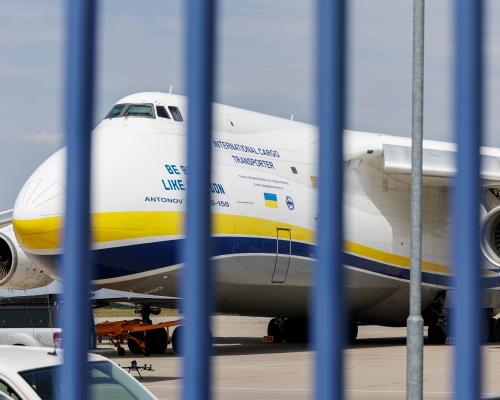
A drone loaded with(装载着) explosives was discovered at Leipzig/Halle airport on 4 August near a Ukrainian Antonov cargo plane used to transport weapons to Ukraine. It failed to detonate(引爆,起爆) but could have caused a catastrophe(大灾难,浩劫), authorities said.
8月4日,一架装有爆炸物的无人机在莱比锡/哈勒机场被发现,地点靠近一架用于向乌克兰运输武器的乌克兰安东诺夫货机。当局称,它未能引爆,但本可能造成灾难。