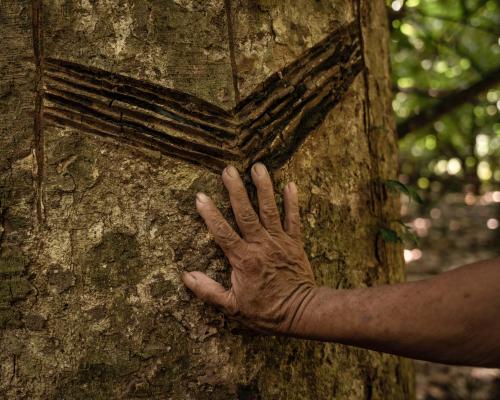
In the village plazas(广场) of Pando, a remote northern Amazonian region of Bolivia, the main talk is no longer just about the next harvest. One pressing(紧迫的) issue is the “invisible air(看不见的空气)” being sold to foreigners who regularly visit their communities.
在玻利维亚北部偏远的亚马逊地区潘多,村庄广场上人们谈论的主要话题不再只是下一季的收成。一个紧迫的问题是,那些定期造访他们社区的外国人正在购买“看不见的空气”。
In June 2024, the country’s constitutional court struck down(推翻,废除) the ban on a funding mechanism linked to carbon markets. Since then, Indigenous(原住民的) leaders of three ethnic groups – the Tacana, Ese Ejja and Cabineño – have complained about companies and foundations that arrive with offers of “climate solutions(气候解决方案)”, often during the ever more frequent droughts(干旱) or floods.
2024年6月,该国宪法法院推翻了与碳市场相关的融资机制的禁令。此后,三个民族——塔卡纳、埃塞埃哈和卡维内尼奥——的原住民领袖一直抱怨,公司和基金会带着“气候解决方案”的提议找上门来,而且往往是在日益频繁的干旱或洪水期间。
“We heard about this [carbon] business and nobody understood what it was,” says Julio Mayo, from the Cabineña nation. “Even today, I don’t think people understand. We’re still in doubt(心存疑虑).”
“我们听说过这个[碳]生意,但没人明白那是什么,”来自卡维内尼亚民族的胡利奥·马约说。“直到今天,我认为人们还是不明白。我们仍然心存疑虑。”